White Tara: The Seven-Eyed Mother of Compassion in Tibetan Buddhism, the Pure Light Incarnation of Mercy and Longevity
wudimeng-Dec 26 2025-
0 Kommentare
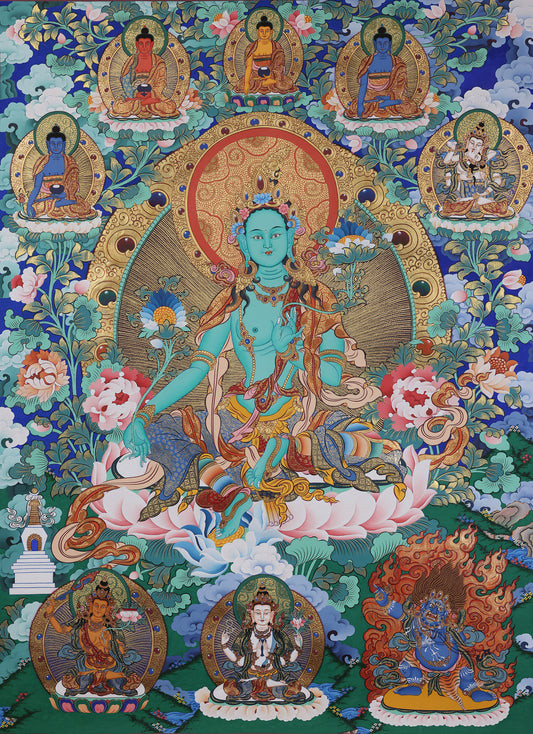
When a vibrantly colored White Tara Thangka unfolds before you, you’re instantly wrapped in her pure light: snow-white skin glows like a moon disc, seven eyes (on her forehead, palms, and soles) gaze calmly at the ten directions, her left hand holds an utpala flower bearing nectar, and her right hand gently forms the wish-fulfilling mudra. This is not a mythic goddess, but a spiritual symbol of "unblemished compassion, longevity, and deliverance" in Tibetan Buddhism.
White Tara’s image is omnipresent in Tibetan monasteries and homes. She was the reliance of Master Gampopa when he overcame the limits of life and death, the protector worshipped by ordinary believers before long journeys, and the pinnacle of "embodying the path through form" in Tibetan Buddhist art. What faith codes lie within this Buddha Mother, manifested from Guanyin Bodhisattva’s tears of sorrow?
According to the Tara Origin Sutra in Tibetan Buddhism: When Avalokiteshvara (Guanyin) saw sentient beings trapped in samsara, his compassion pierced his heart. A tear from his left eye fell to the ground and became a lotus, from which White Tara was born—she is the "embodiment of compassionate vows," vowing "never to turn back until all beings are free from suffering." Unlike Green Tara, who symbolizes "swift deliverance," White Tara’s vows are like still water: nurturing body and mind with pure light, supporting practice with longevity, and seeing the essence of suffering through her seven eyes.
This "calm yet profound" compassion is called "breaking the three calamities of death" in Tibetan practice traditions. Gampopa, the founder of the Kagyu school, was nearing the end of his lifespan but extended his life by decades after receiving White Tara’s empowerment; White Tara practice is central to the daily rituals of successive Karmapas, as it "removes obstacles to Buddhist activities"—she is not an "emergency doctor," but the "steadfast reliance in life’s long journey."
The Thangka before you is a model of White Tara’s "unity of form and spirit":
-
Body Color and Lotus Seat: Her all-white form symbolizes an "unblemished mind," seated cross-legged on a double lotus seat—the lower red lotus represents renunciation of the secular, while the upper white lotus symbolizes a pure original nature.
-
Wisdom of the Seven Eyes: The eye on her forehead sees past, present, and future karma; the eyes on her palms see worldly suffering; the eyes on her soles gaze at the six realms of samsara. This is not a display of "supernatural power," but a metaphor for "omnipresent awareness": every trace of sentient beings’ pain is within her observation.
-
Mudras and Ritual Implements: Her right hand forms the varada mudra (palm downward), promising to "fulfill virtuous wishes"; her left hand holds an utpala flower, with a longevity vase (containing nectar symbolizing "purifying afflictions with compassion") resting on its petals. The auspicious clouds and peonies in the Thangka’s background unify "the pure land of Buddha" and "worldly beauty."
White Tara’s iconography varies slightly across schools: the Gelug school uses solemn lines to emphasize sacredness; the Kagyu school has softer details to connect with sentient beings; the Sakya school adorns her with ornate jewels to symbolize "perfect abundance"—but her compassionate, downward-gazing eyes remain unchanged.
Tibetans say, "Recite White Tara’s mantra one million times to attain longevity realization," but the core of the ritual is never "accumulating quantity"—it is "connecting the heart to compassionate vows." Taking the Wish-Fulfilling Wheel White Tara Sadhana as an example, a complete practice includes three levels:
-
Body Commitment: Visualize oneself transforming into White Tara, seated within a six-colored light sphere—white light heals illness, yellow light extends life, red light gathers beings, blue light dispels negativity, green light fulfills aspirations, and purple light protects.
-
Speech Commitment: Recite the mantra "Om Tare Tuttare Ture Soha", visualizing the mantra syllables transforming into nectar and merging into body and mind; the longevity mantra "Om Tare Tuttare Ture Mama Ayur Punya Jnana Vidya Swaha" is paired with the visualization of "nectar descending."
-
Mind Commitment: Visualize White Tara emerging from one’s heart and merging into all sentient beings like rain—this is the transformation of "compassion from self-benefit to altruism."
A retreatant once shared: On the edge of delirium, White Tara’s mantra automatically arose in their mind—this is not a "miracle," but the awakening of "compassionate vow memory" in the mindstream.
When we shift "longevity" from "physical continuation" to "improving life quality," White Tara’s significance transcends religion:
-
Healing Anxiety: Her seven eyes remind us to "see the essence of suffering"—not to resist aging, but to accept impermanence; not to escape pain, but to penetrate attachment with wisdom.
-
Guiding Relationships: The essence of the varada mudra is "actively giving kindness," just as her seven eyes "see without disturbing, know without interfering"—in human relationships, this is the wisdom of "empathizing without intervening."
-
Preserving Culture: The natural mineral pigments used in White Tara Thangkas and the intricate craftsmanship of butter sculptures embody Tibet’s tradition of "carrying faith through art." Today, these techniques are listed as intangible cultural heritage, serving as bridges for cross-cultural exchange.
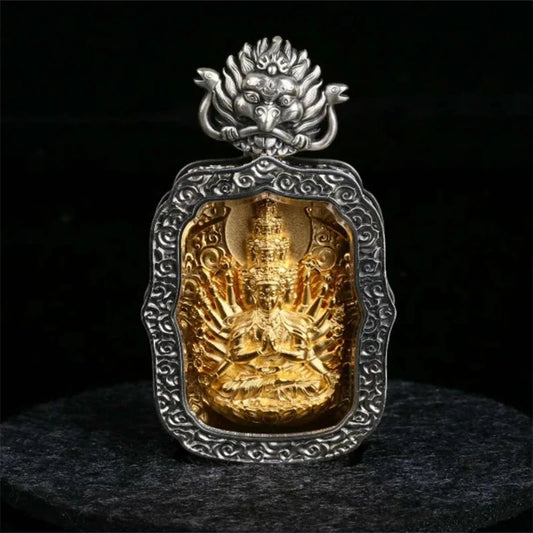
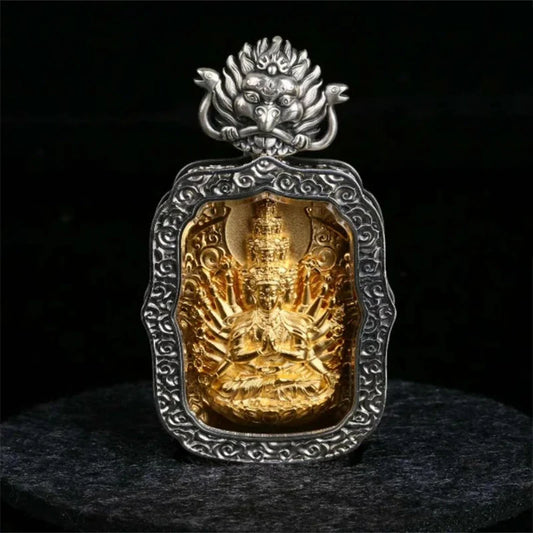
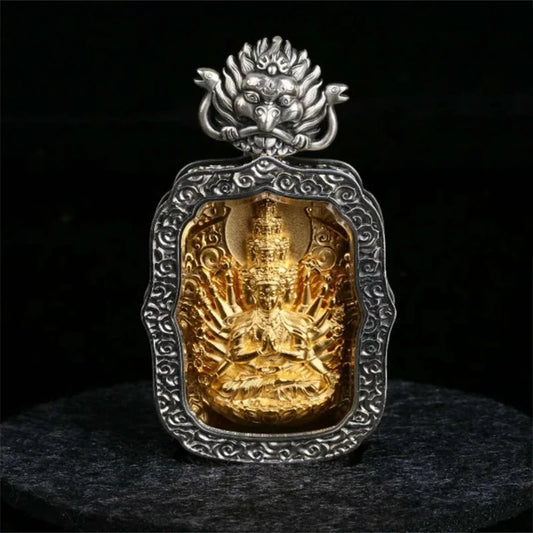
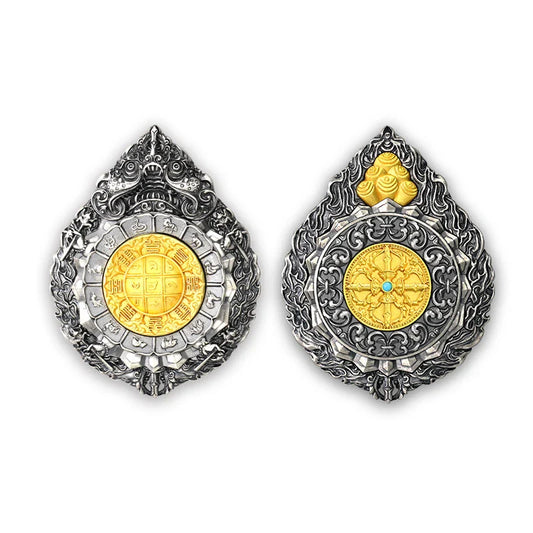
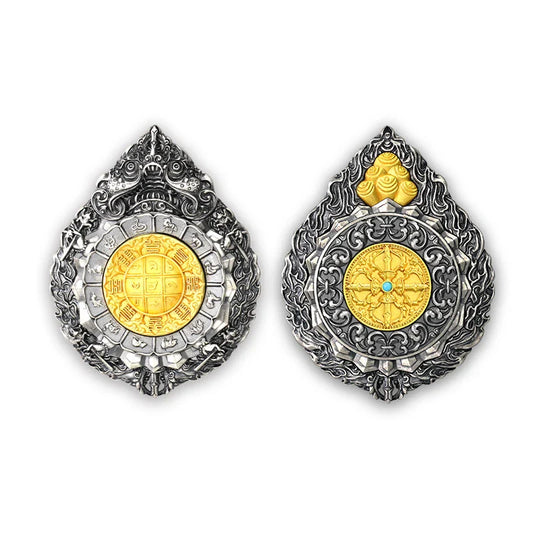
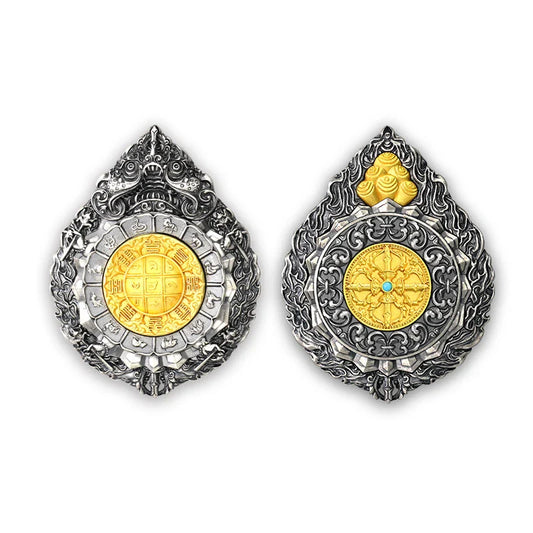
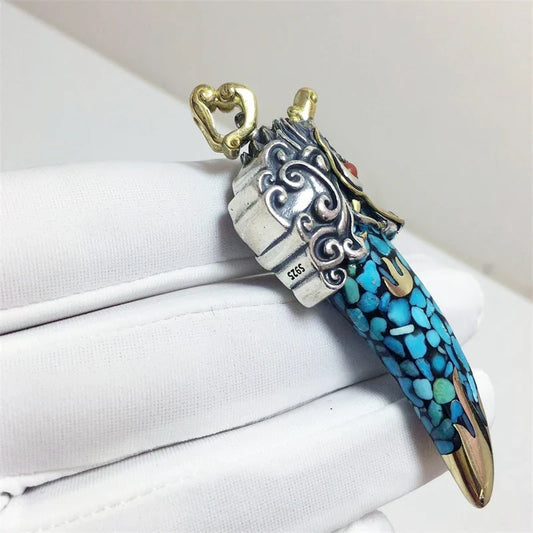
For readers drawn to Tara practice, sacred art can become a gentle visual support for daily recitation, meditation, and compassion practice.
These objects are not a substitute for sincere practice. Their value is to support attention, reverence, and continuity, helping readers return to the meaning of the teaching in daily life.
In the Tibetan morning, you’ll see elderly people spinning prayer wheels while reciting White Tara’s mantra, and Thangka painters outlining her seven eyes with gold powder—this is not "superstition," but a way to "anchor life with compassion."
White Tara is never a "lofty deity," but the "compassionate vow inherent in all of us": when you feel a trace of empathy for suffering, when you give a little kindness to others, when you accept life’s imperfections with wisdom, that pure light has already illuminated you.
#WhiteTara #TibetanBuddhism #ThangkaArt #CompassionPractice #LongevityRitual #SevenEyedBuddhaMother #GuanyinManifestation #SpiritualHealing #IntangibleCulturalHeritage #TibetanCulture