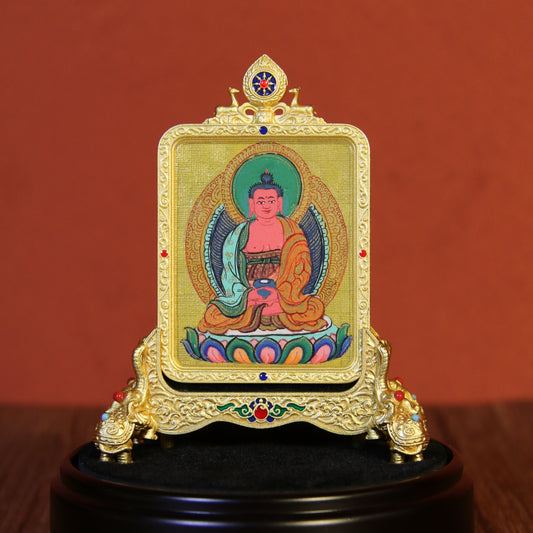
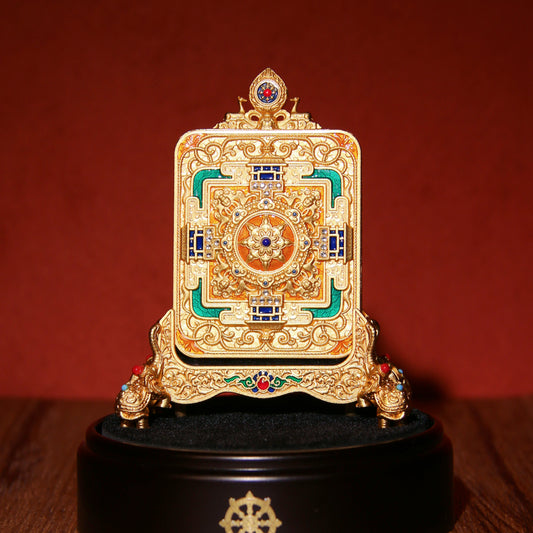
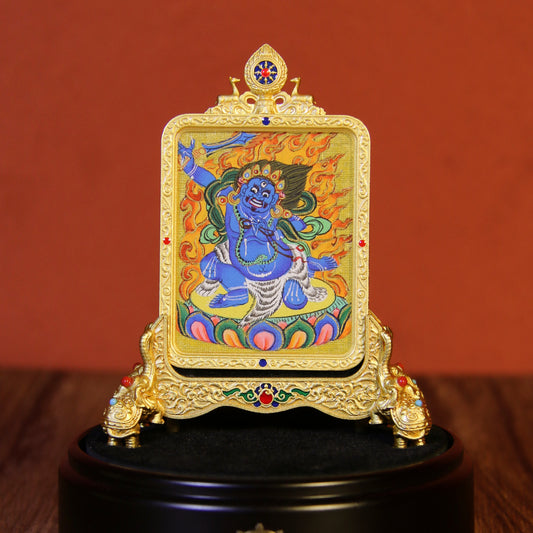
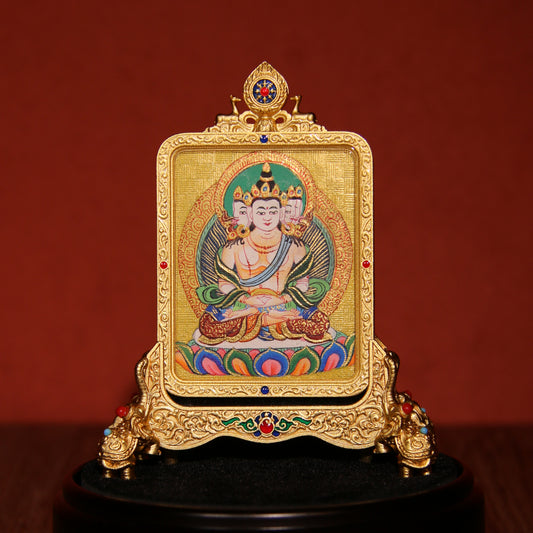
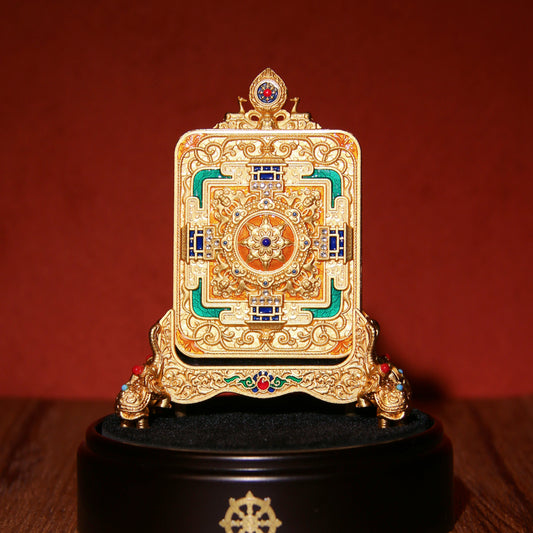
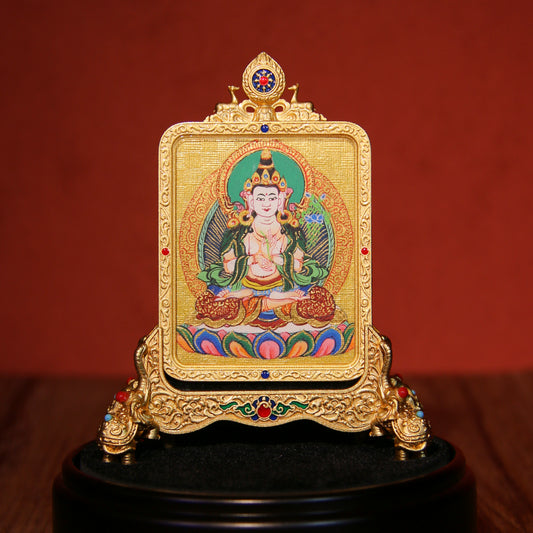
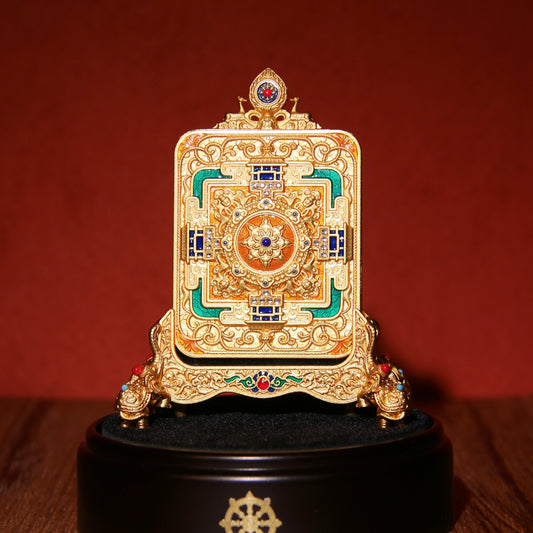
The Sacred Tibetan Buddhist Butter Lamp Offering: Illuminating Wisdom and Compassion
Discover the Spiritual Significance, Ritual Process, and Merit of Lighting Butter Lamps in Tibetan Buddhism
In Tibetan Buddhism, the Butter Lamp Offering is a deeply sacred and widely practiced ritual. More than just lighting a lamp, this practice represents devotion, merit accumulation, and the cultivation of wisdom and compassion.
Core Significance: Light as Wisdom and Merit
- Symbol of Enlightenment and Wisdom
Lighting a butter lamp represents dispelling darkness and ignorance, illuminating the mind with wisdom. - Accumulate Merit and Blessings
The act of offering a lamp generates spiritual merit, purifies past negative karma, and fosters a generous and devoted heart. - Devotion and Blessings for All Beings
Offering light expresses respect for the Buddhas, Bodhisattvas, and protective deities, while spreading blessings of peace, health, and protection.
Ritual Process: A Sacred Practice
- Preparation of Lamps and Offerings
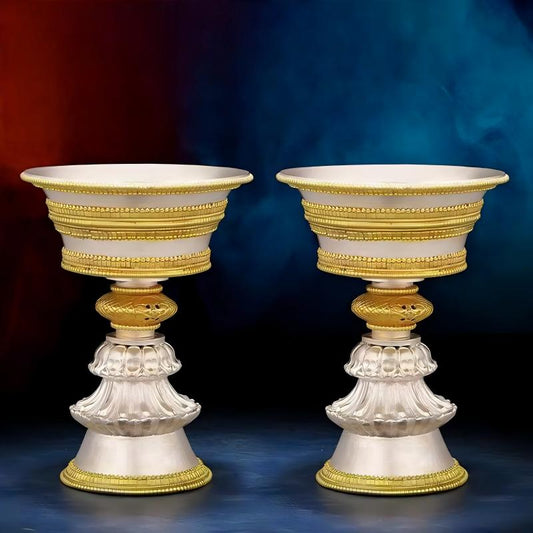
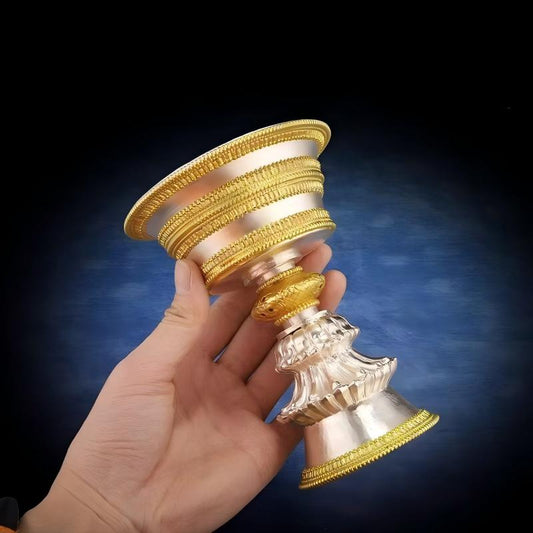
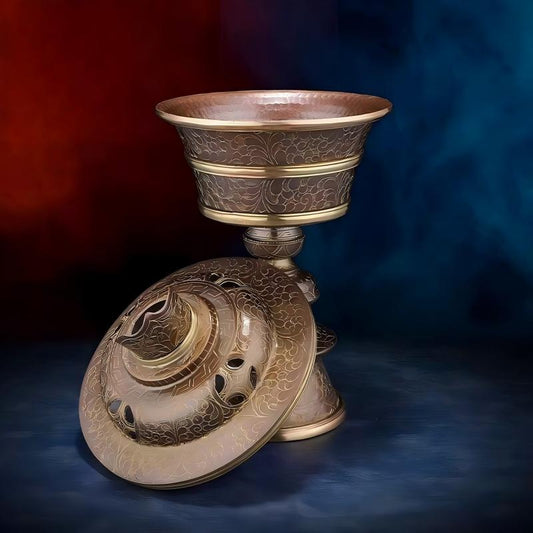
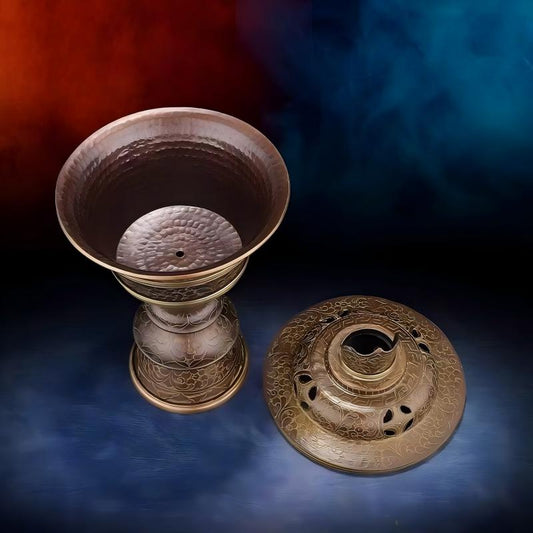
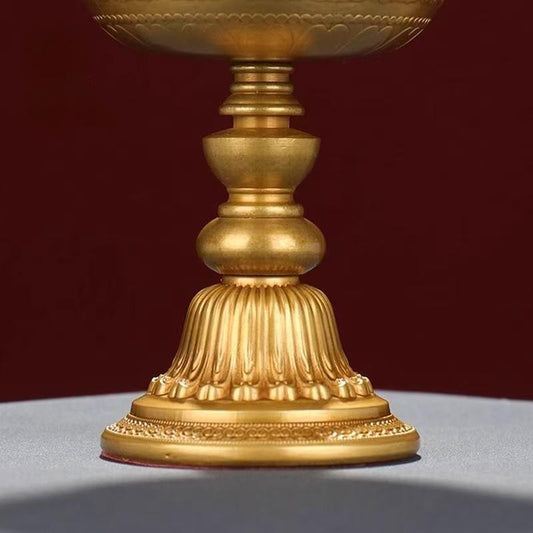
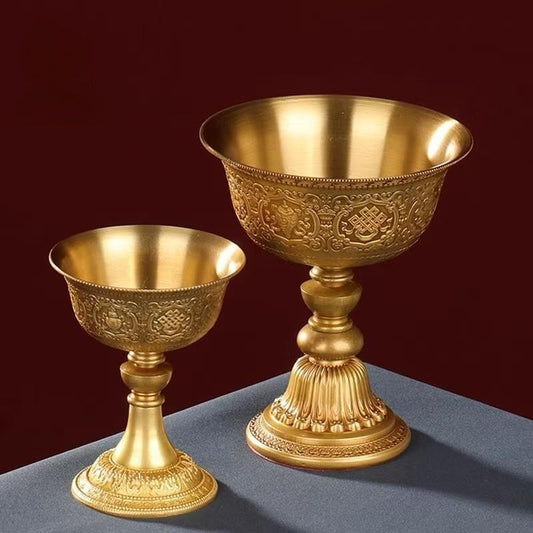
Butter or vegetable oil, lamp wicks, and lamps made of copper, brass, silver, or ceramic. Additional offerings may include flowers, incense, or water. - Purification and Dedication
Monks or practitioners purify the altar, recite mantras or prayers, and dedicate the lamps to the Buddhas. - Lighting the Lamp
Light the wick and place the lamp before a Buddha statue or mandala. Meditate or silently recite prayers, visualizing the light spreading blessings everywhere. - Dedication of Merit
After lighting, the accumulated merit is dedicated to all sentient beings, often including prayers for health, longevity, and spiritual progress.
Common Occasions for Participation
- Daily temple offerings or personal devotional practice
- Religious festivals and special ceremonies (e.g., Thousand Lamps Festival, Shoton Festival)
- Community or family prayer gatherings
- New or restored altar installations
Cultural and Spiritual Notes
- Accessible and Profound: While simple to perform, the ritual is spiritually powerful and auspicious.
- Mindful Participation: Practitioners can engage directly or through mental offering and rejoicing, both generating merit.
- Symbol of Everlasting Dharma: The lamp’s light represents the enduring presence and blessings of the Buddha’s teachings.