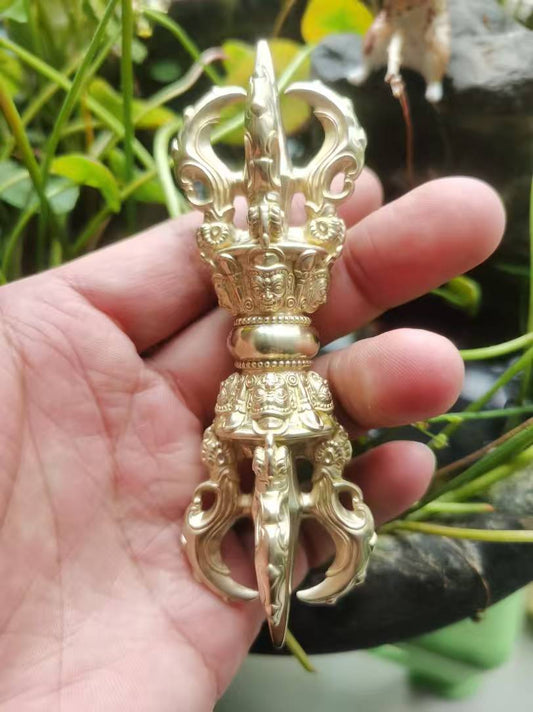
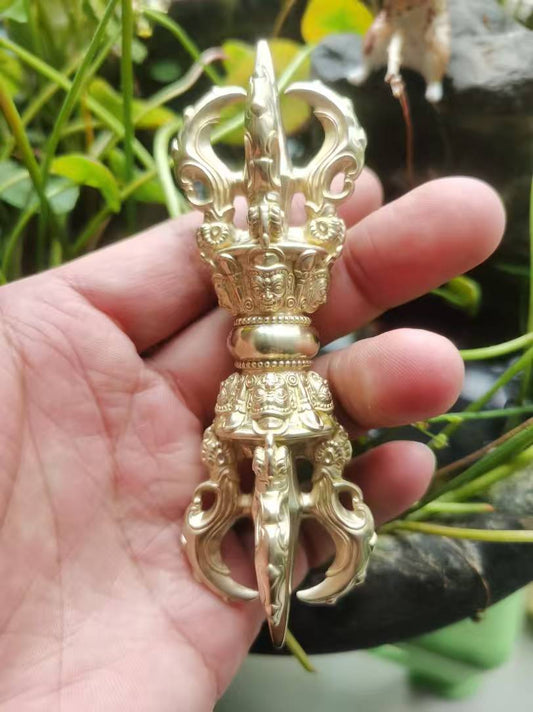
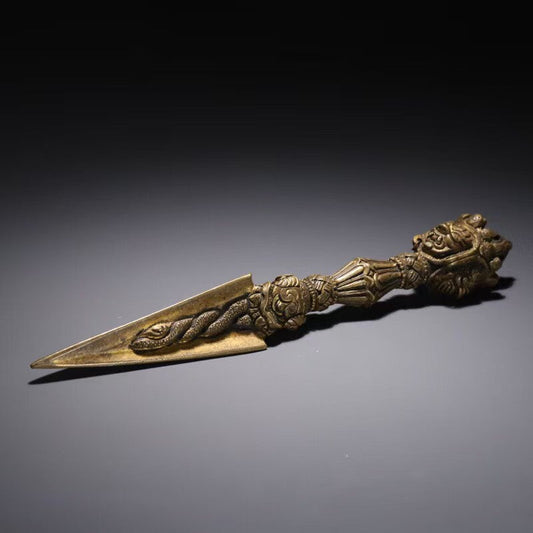
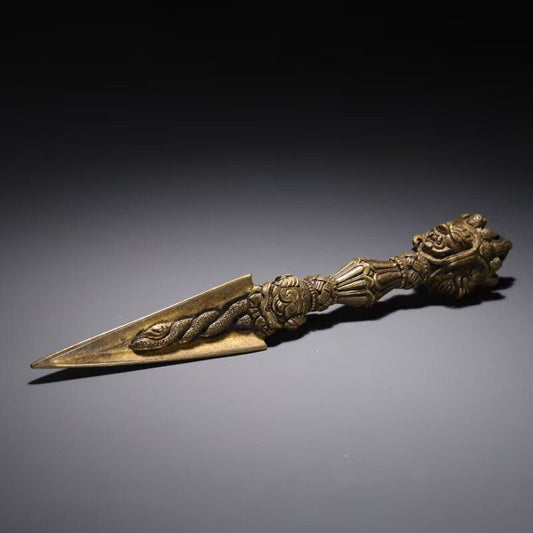
Where to Place a 21cm One/Three/Five-Prong Brass Vajra Ritual Implement for a Respectful Mindful Space

Where to Place 21cm One/Three/Five-Prong Brass Vajra Ritual Implement for a Respectful Mindful Space
Placement searches such as "where to place a vajra," "Buddhist ritual implement on altar," or "brass vajra display ideas" ask for practical guidance. The buyer may already like 21cm One/Three/Five-Prong Brass Vajra Ritual Implement, but they still need to know where it belongs and how to treat it respectfully. Placement matters because a ritual object can feel meaningful, cluttered, casual, or powerful depending on the environment around it.
Begin with the role of the object
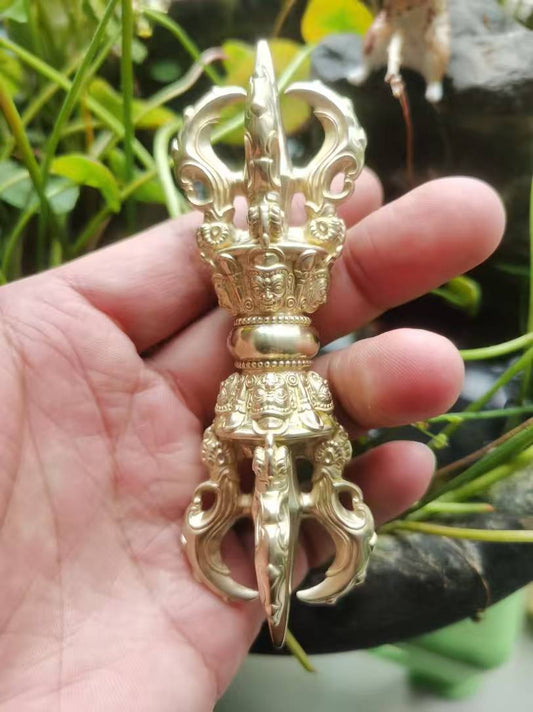
Before placing the vajra, decide whether it will serve as a devotional object, a meditation-room focus, a collection piece, or a meaningful gift. 21cm One/Three/Five-Prong Brass Vajra Ritual Implement carries a comparative one-, three-, and five-prong vajra form, polished brass ritual craft, and the ceremonial presence of a handcrafted Buddhist implement. That meaning suggests a clean, intentional setting rather than a random decorative corner. The object should be easy to see, stable, and protected from rough handling.
This type of placement article is valuable for search because it answers what happens after purchase. A product page may show the item clearly, but a strong blog post explains how the customer can live with it. That extra guidance can help Google, AI summaries, and real visitors understand the product's practical value.
Best placement options
- Home altar: place the vajra on a clean surface with enough room around it.
- Meditation room: keep it near the seat or focal area where it can support quiet attention.
- Study or reading room: display it on a stable shelf with related books or simple natural materials.
- Buddhist art collection: group it with related ritual implements or Himalayan art so the context remains clear.
- Gift presentation: include a short note explaining the vajra form, brass material, and 21cm size.
Use size and material to guide display
The 21cm scale gives the piece enough visibility for a shelf or altar. It should not be crowded by unrelated objects. Brass can reflect light beautifully, but harsh direct sunlight and moisture are not ideal for long-term care. A dry, stable location helps preserve the surface and keeps the object from feeling neglected.
For altar placement, keep the surrounding area clean and intentional. For collection placement, add context rather than clutter. A small label, written note, or saved product information can help visitors understand the one-, three-, and five-prong concept. Context makes the piece more meaningful and reduces the risk of treating it as ordinary decoration.
What to avoid
Avoid placing the vajra on the floor, in a busy walkway, near trash, or on an unstable surface. Avoid mixing it with unrelated novelty objects that weaken its cultural meaning. If you follow a specific teacher, lineage, or practice tradition, use that guidance first. If you are collecting Buddhist art, treat the object with the same care you would give any culturally significant work.
It is also wise to avoid exaggerated claims. The vajra can be discussed through symbolism, devotion, and contemplative meaning, but it should not be marketed as a guaranteed source of wealth, health, or protection. Responsible language makes the page more trustworthy and helps the product stand on its real strengths: form, material, craft, and meaning.
Care checklist
- Keep the piece dry and away from prolonged harsh sunlight.
- Dust gently with a soft, dry cloth.
- Support the whole object when moving it.
- Leave open visual space around it so the form remains readable.
- Keep notes about the product name, material, and intended meaning for future reference.
If you move the piece between rooms, reassess the setting each time. A good location should be clean, stable, visible, and connected to the reason you chose the object. The placement should help the vajra remain a point of attention rather than disappearing into ordinary household clutter.
Lighting, height, and visual balance
Lighting should reveal the brass surface without turning it into a harsh glare point. Soft natural light or warm indirect light usually works better than direct afternoon sun. Height also matters. If the vajra is part of a shrine or meditation shelf, place it at a level where it can be seen without bending down. If it is part of a collection, give it enough room so the prong form remains readable from the normal viewing distance.
Visual balance is the quiet part of good placement. A meaningful object can lose its dignity when surrounded by too many unrelated items. Leave space around 21cm One/Three/Five-Prong Brass Vajra Ritual Implement, and let the surrounding materials support the mood. Wood, clean cloth, stone, simple books, or other related ritual objects can make the display feel coherent. Bright clutter, novelty decorations, or unstable shelves tend to weaken the presence of the piece.
Using the article as a buyer checklist
This placement guide also functions as a pre-purchase checklist. If the buyer cannot identify a clean, stable, respectful place for the object, it may be better to plan the space first. If the location is clear, the product page becomes the next natural step. That is the right structure for high-quality content: answer the practical concern, then invite the reader to view the exact product.
Final recommendation
21cm One/Three/Five-Prong Brass Vajra Ritual Implement is best placed where its form and meaning can be respected. It can anchor a home altar, support a meditation shelf, enrich a study, or become a focused piece in a Buddhist art collection. The strongest placement is not necessarily the most dramatic one. It is the one that lets the object remain visible, stable, and meaningful every day.
Choose this vajra for your space
Schlagwörter:
Vorherige
How to Choose a 21cm One/Three/Five-Prong Brass Vajra Ritual Implement: Materials, Meaning, and Buyer Fit
Nächste
How to Choose a 21cm One/Three/Five-Prong Brass Vajra Ritual Implement: Materials, Meaning, and Buyer Fit