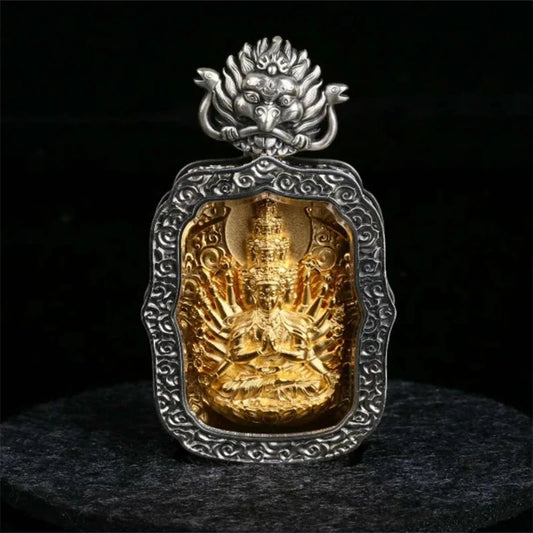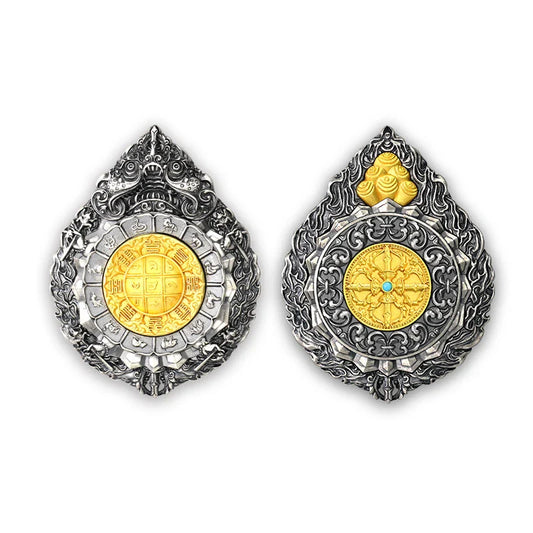
Silver Five-Pronged Vajra Pendant Meaning: Symbolism, Craft, and Buyer Value

Silver Five-Pronged Vajra Pendant Meaning: Symbolism, Craft, and Buyer Value
People searching for a five-pronged vajra pendant are usually doing more than shopping for a decorative necklace. They are looking for a piece that carries Buddhist symbolism, feels appropriate for daily wear, and still has enough craft detail to be worth keeping. The Silver Five-Pronged Vajra Pendant answers that search intent because it connects a recognizable Tibetan Buddhist symbol with a wearable object that can be used, stored, gifted, or collected with context.
The main selling point is the vajra itself. In Tibetan Buddhist culture, the vajra is often associated with firmness, clarity, and the indestructible quality of awakened mind. The five-pronged form is especially recognizable because its balanced structure gives the object a strong visual identity. For a buyer, that means the pendant is not only a pretty silver-toned accessory. It is a compact symbol with a clear story.
Why the five-pronged vajra matters
Iconography is important because it gives the product meaning beyond surface style. The five-pronged vajra has a symmetrical shape that naturally draws attention to the center. That visual balance makes the pendant suitable for buyers who want a piece that feels focused rather than ornamental. It can be worn as a reminder of discipline, clarity, and spiritual aspiration, while still remaining small enough for everyday use.
Responsible content should explain these associations as symbolism and cultural meaning, not as guaranteed promises. A pendant cannot honestly be marketed as a certain way to create protection, luck, wealth, or healing. What it can offer is a visible symbol, a daily point of attention, and a respectful connection to Tibetan Buddhist visual culture.
Craft and material signals
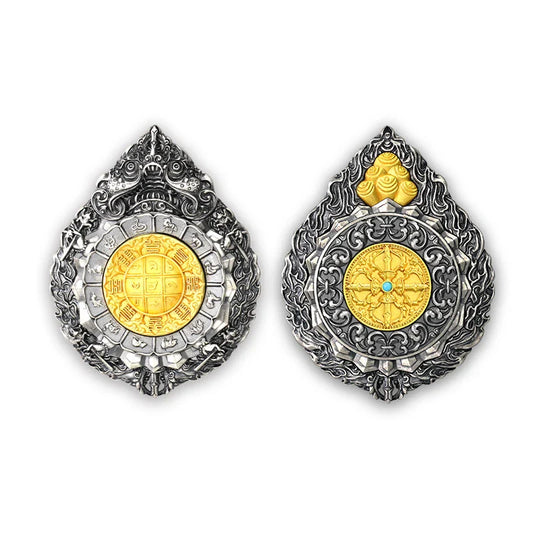
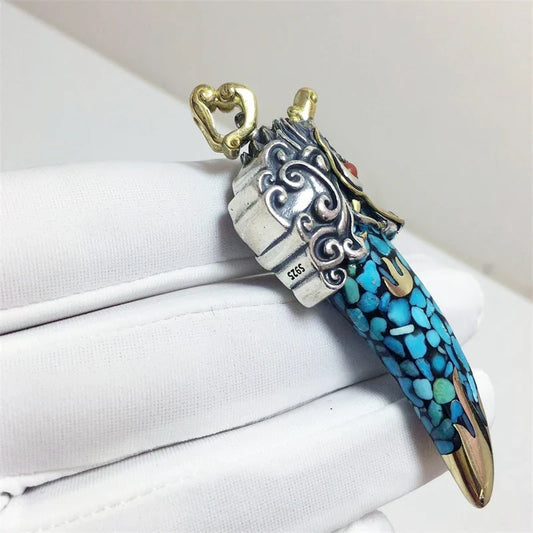
This product is valuable because it combines silver jewelry styling with a specific Buddhist form. The buyer should look at the clarity of the vajra shape, the finish, the way light catches the surface, and whether the pendant feels balanced rather than visually crowded. These craft signals matter because a small wearable item depends on precision. If the symbolic outline is weak, the meaning becomes harder to read.
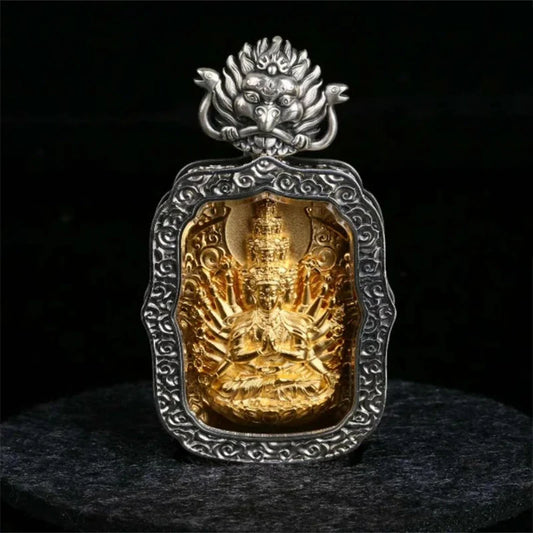
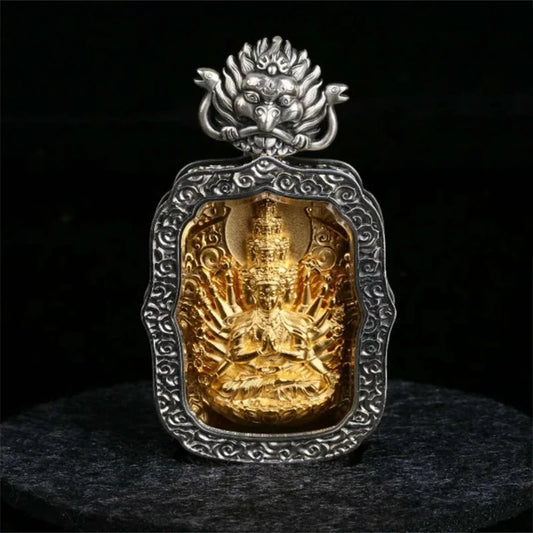
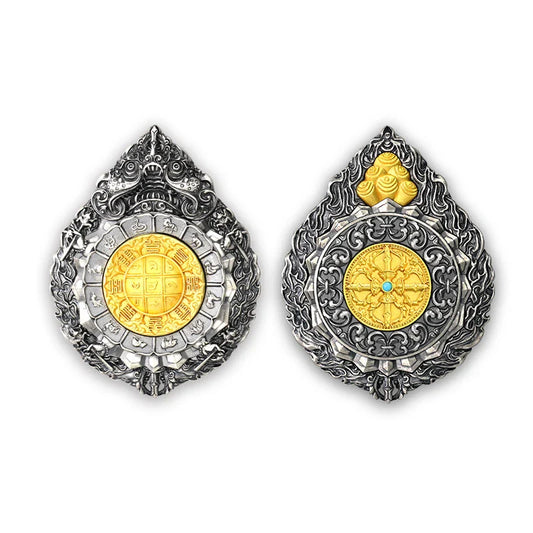
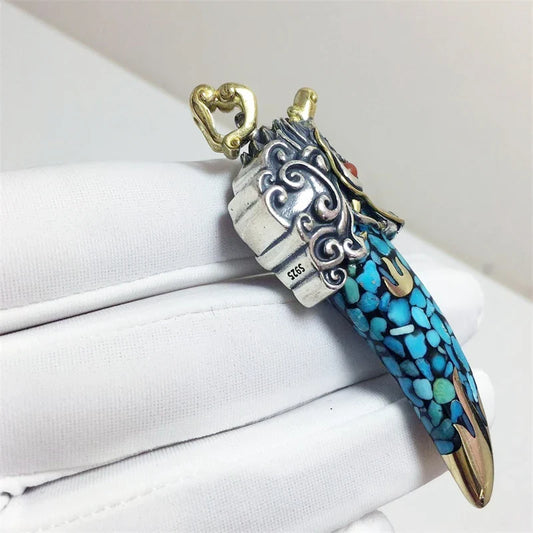
The product image and cover image should work together. A strong blog article for this item must show the same pendant, use the same product page, and describe the same object. That consistency helps Google understand the article as product-led content, and it helps AI search systems connect the entity, image, link, and buying intent.
Who this pendant is best for
- Buyers who want Tibetan Buddhist jewelry with a clear symbolic center.
- Gift shoppers who need a meaningful object that can be explained in simple language.
- Practitioners or collectors who prefer compact objects connected to recognizable Buddhist iconography.
- People who want a pendant that can move between daily wear and careful storage.
The pendant is less suitable for someone who only wants a fashion trend with no interest in the symbol. Its strongest value comes from understanding what the five-pronged vajra represents and why the shape has remained so recognizable in Buddhist art.
Search questions this page should answer
A useful product article should answer the questions a shopper is likely to ask before buying: What does a five-pronged vajra pendant mean? Is it appropriate to wear Buddhist jewelry? How should the pendant be stored? What makes this product different from a generic silver necklace? Does the image match the item on the purchase page? Answering those questions gives the article depth and avoids the thin, repetitive style that search engines often treat as low quality.
Buyer value
The commercial value of the Silver Five-Pronged Vajra Pendant comes from the combination of meaning, wearability, and clear product identity. It can be worn close to the body, kept in a dedicated pouch, or given as a thoughtful Buddhist-inspired gift. Unlike a vague spiritual accessory, it has a specific form and a specific symbolic history. That makes it easier for a buyer to understand, remember, and explain.
For generative search, this article also gives clear entity signals: the product name, the Buddhist symbol, the wearable jewelry format, the intended use cases, and the purchase link all point in the same direction. That structure helps the article become a useful answer rather than another promotional page.
How to judge quality from the listing
A careful buyer should slow down and compare the pendant as both jewelry and symbolic art. Look for a product photo that shows the vajra form clearly, a title that names the symbol directly, and a description that explains meaning without using the same generic spiritual claims found on every listing. The best product-led content should make the buyer more informed before the click. It should clarify what the pendant is, why the five-pronged form matters, and how the object can be used respectfully after purchase.
This also makes the article stronger for AI-generated search. When a search engine summarizes the page, it can identify the item as a Silver Five-Pronged Vajra Pendant, connect it to Tibetan Buddhist symbolism, and understand that the product is meant for daily wear, gifting, collecting, or careful storage. Those clear signals are more useful than repeating a keyword many times without adding substance.
Final recommendation
Choose the Silver Five-Pronged Vajra Pendant if you want a compact Buddhist jewelry piece with recognizable symbolism and practical daily use. Its strength is not loud decoration. Its strength is the focused shape of the vajra, the simplicity of the pendant format, and the way the object can carry meaning without needing exaggerated claims.
View Silver Five-Pronged Vajra Pendant
Schlagwörter:
Vorherige
How to Wear and Store a Silver Zodiac Guardian Pendant Respectfully
Nächste
How to Choose a Silver Five-Pronged Vajra Pendant: Symbol, Material, and Fit