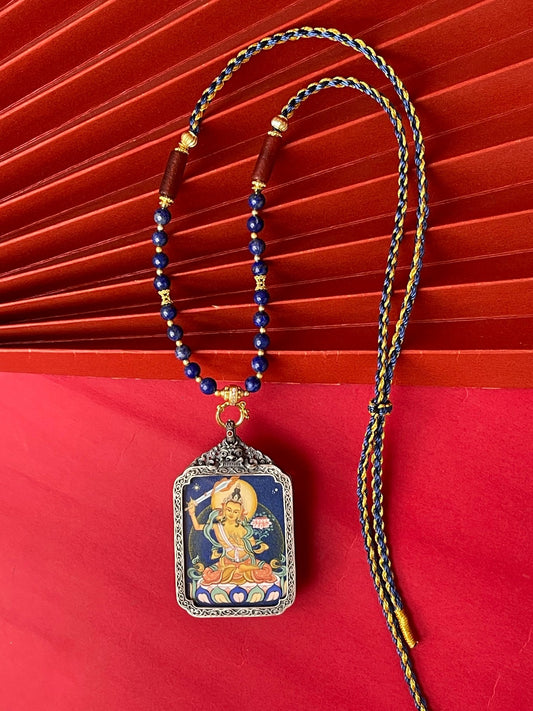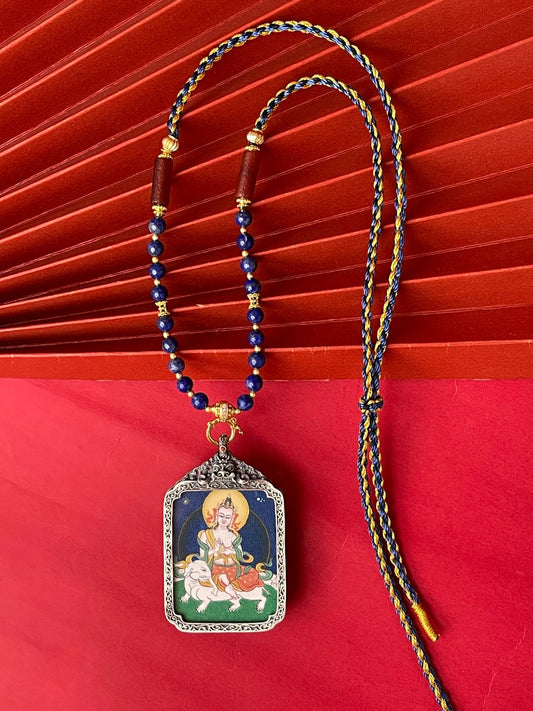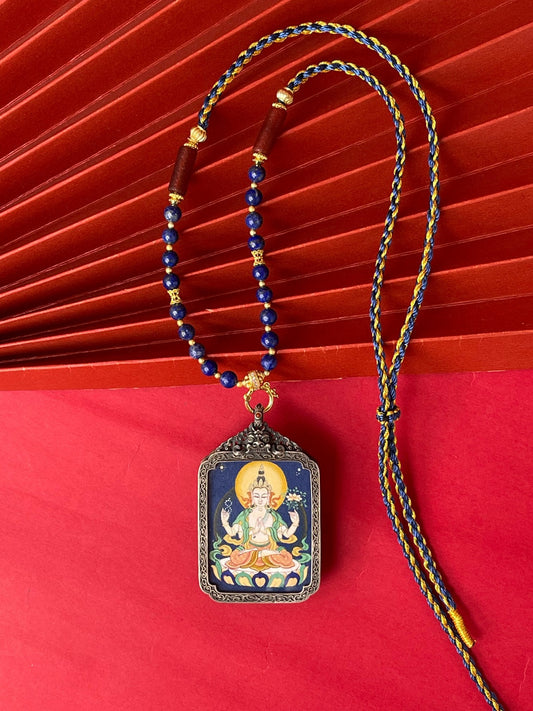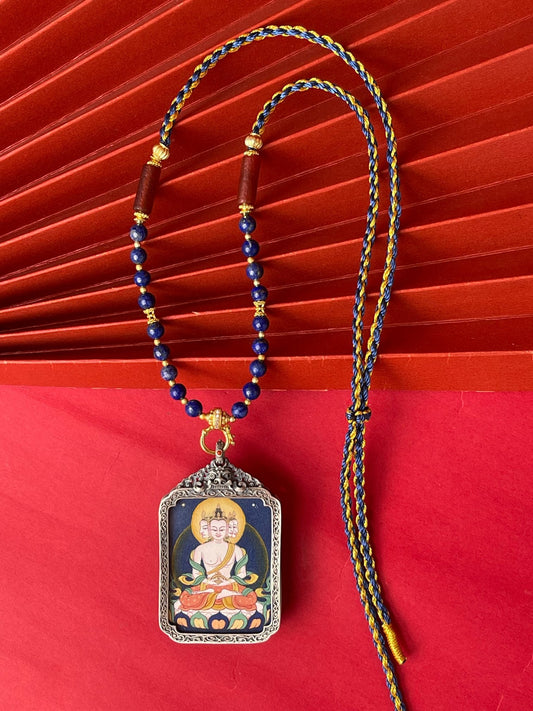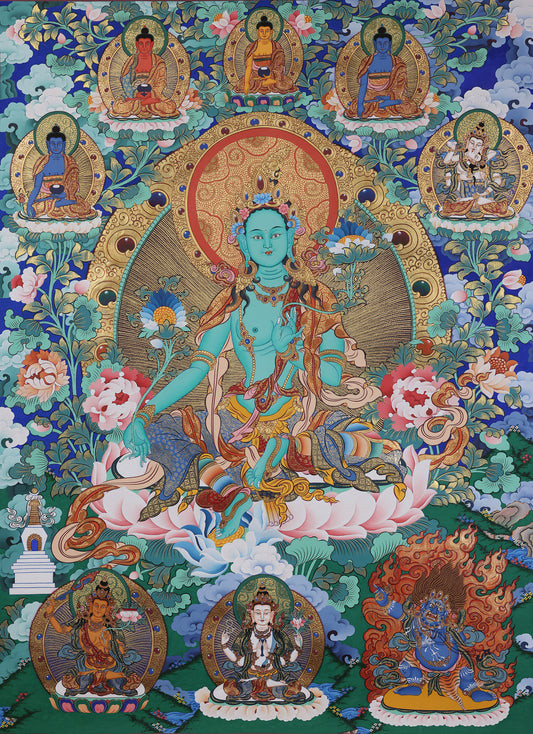
Tibetan 3.5×4.5cm Collectible Green Tara Thangka Pendant: A Miniature Treasure of Tibetan Buddhism

Introduction: The Allure of Miniature Thangka Pendants in Tibetan Buddhism
In the heart of Tibetan Buddhism, Thangkas have long been revered as "mobile sacred murals"—visual scriptures that bridge the gap between the mortal world and the divine. For centuries, these intricate artworks adorned monasteries and family shrines, serving as focal points for meditation and devotion. Today, the miniature Thangka pendant reimagines this ancient tradition, condensing thousands of years of cultural heritage into a wearable piece. Among these treasures, the 3.5×4.5cm collectible Green Tara Thangka pendant from Tibet stands out: a masterpiece of craftsmanship, a symbol of compassion, and a testament to the enduring legacy of Tibetan art. In this blog, we’ll dive deep into its spiritual meaning, artisanal techniques, and why it has become a coveted item for collectors and spiritual practitioners worldwide.
Product Specifications
-
Main Deity: Green Tara (the foremost of the 21 Taras in Tibetan Buddhism, known as the Compassionate Savior)
-
Place of Origin: Xizang Autonomous Region, China
-
Size: 3.5cm (width) × 4.5cm (height) – perfectly portable for daily wear
-
Pigments: Natural mineral and plant composite pigments (including gold leaf, turquoise, cinnabar, and saffron)
-
Outer Shell: Retro silver shell with traditional Tibetan chiseling craftsmanship
-
Grade: Collectible-level handcrafted intangible cultural heritage
Green Tara: The Compassionate Heart of Tibetan Buddhism
At the core of this pendant lies Green Tara, one of the most beloved and venerated deities in Tibetan Buddhism. More than just a decorative figure, Green Tara is a powerful symbol of compassion, healing, and protection—revered as the "embodiment of Avalokiteshvara’s tears of mercy." To understand the pendant’s significance, we must first unpack the symbolism woven into her image.
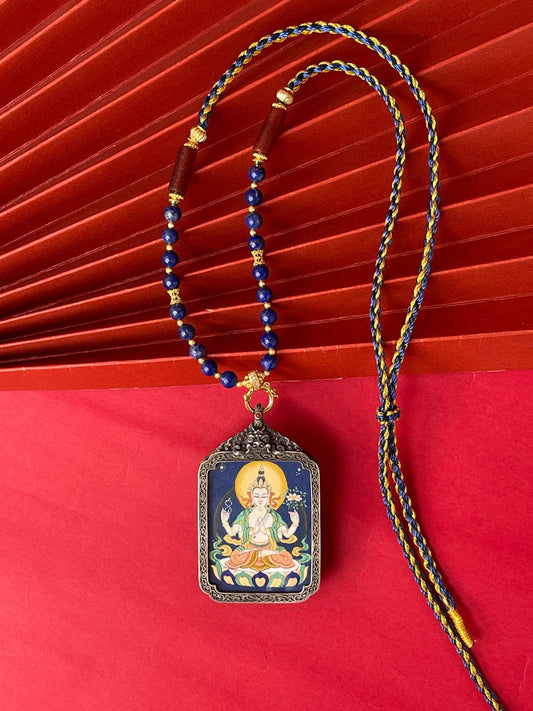
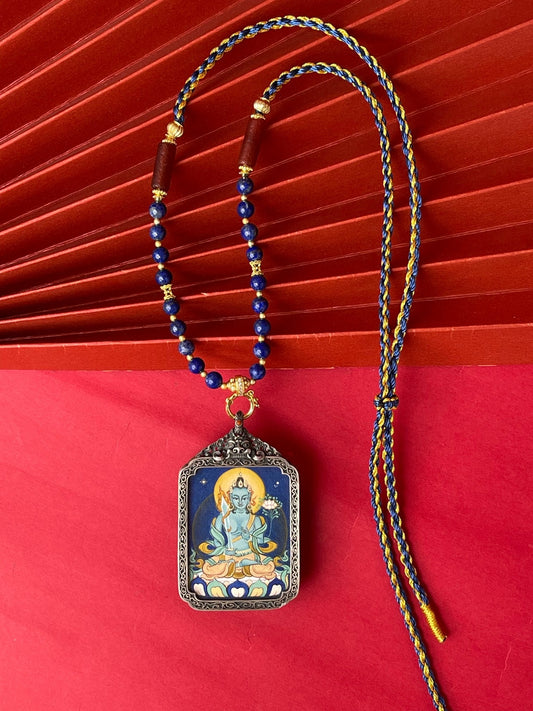
Her green complexion is no accident: in Tibetan culture, green represents the vitality of nature, growth, and healing. It mirrors the lush valleys and sacred herbs of Tibet, connecting the deity to the land and its life-giving energy. Green Tara’s posture—half-lotus, with her right foot gently touching the ground—known as the "savior posture," conveys her readiness to rise and aid all sentient beings in distress. Her left hand holds a white lotus, a universal symbol of purity and spiritual enlightenment, while her right hand forms the Fearlessness Mudra (Abhaya Mudra), a gesture that dispels fear and grants peace.
For practitioners, Green Tara is more than a deity—she is a spiritual guide. Traditionally, she is believed to save followers from the "eight great dangers" (lions, elephants, fires, floods, bandits, serpents, imprisonment, and demons) and guide them toward wisdom and compassion. In modern life, this pendant transforms that ancient protection into a wearable companion, offering a sense of calm amid the chaos of daily life. Whether worn by a devout Buddhist or someone drawn to its spiritual energy, it serves as a reminder to cultivate kindness and courage.
Craftsmanship: Preserving Tibetan Intangible Cultural Heritage
What elevates this pendant to collectible status is its unwavering commitment to traditional Tibetan craftsmanship. Every detail—from the pigments to the silver shell—is crafted with reverence, following techniques passed down through generations of master artisans.
Natural Mineral Pigments: Colors That Stand the Test of Time
The vibrant hues of the Green Tara image are created using natural mineral and plant pigments, a practice that dates back to the earliest Thangka art. Unlike synthetic dyes, these pigments offer unparalleled longevity—remaining vivid for centuries without fading. But their value goes beyond durability: each pigment carries sacred meaning.
Gold leaf, meticulously applied to highlight Tara’s aura, symbolizes the light of the Buddha and spiritual purity. Turquoise powder, ground from precious stones found in Tibet’s mountains, gives Green Tara her iconic hue, linking her to the land’s sacred geography. Cinnabar, a deep red mineral, is used for decorative accents, representing protection and vitality. Even the red tones from saffron—harvested from distant fields and carefully processed—carry auspicious significance, associated with blessings and devotion.
The preparation of these pigments is a ritual in itself. Artisans begin by purifying their hands and reciting prayers, honoring the sacred nature of their work. Pigments are ground three times and filtered three times, ensuring a smooth, consistent texture that adheres perfectly to the canvas. This labor-intensive process is a testament to the artisan’s dedication: each stroke is not just a mark of skill, but an act of devotion.
Retro Silver Shell: Protection Meets Aesthetic Grace
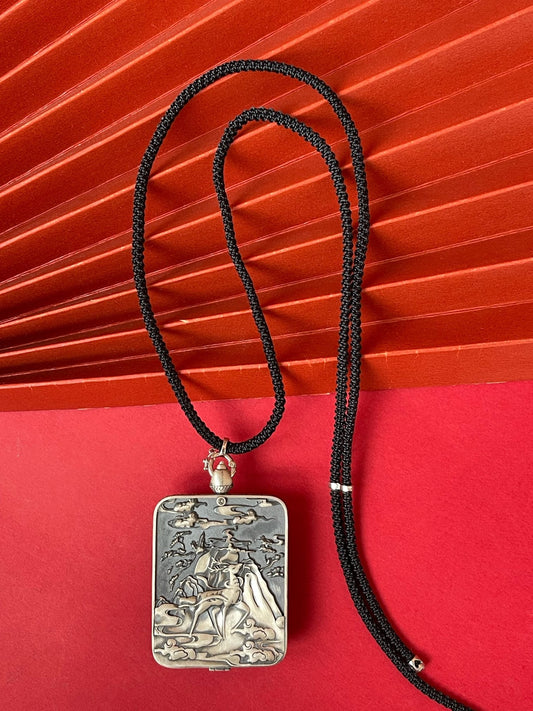
The pendant’s retro silver shell is more than a protective casing—it’s an extension of Tibetan metalworking artistry. Crafted from high-quality silver, the shell is adorned with intricate chiseled patterns, including auspicious cloud motifs and a small Dharma wheel at the top. These designs are not just decorative: cloud patterns symbolize the interconnectedness of all beings, while the Dharma wheel represents the teachings of the Buddha, the "wheel of law" that guides practitioners.
The 3.5×4.5cm size is carefully calibrated for both beauty and functionality. It’s small enough to wear discreetly daily, yet large enough to showcase the intricate details of Green Tara’s image. The silver shell protects the delicate Thangka from wear and tear, ensuring that this sacred piece can be passed down through generations—just like traditional Thangkas of old.
Tibet: The Cultural Roots of Thangka Art
The pendant’s origin in Tibet is central to its authenticity and value. Tibet is the birthplace of Thangka art, a tradition that has evolved over 1,300 years, shaped by the region’s unique geography, religion, and culture. This pendant reflects the style of the Menri School—one of Tibet’s four major Thangka painting schools—known for its precise lines, rich color palettes, and strict adherence to religious iconography.
In the Menri tradition, every aspect of the deity’s image is governed by the *Treatise on the Proportions of Buddhist Images*, an ancient text that dictates the exact measurements of facial features, body proportions, and gestures. For example, Green Tara’s face must be three fingers wide, with an eye distance of one finger—ensuring that the image is not just beautiful, but spiritually accurate. This commitment to tradition is what sets Tibetan Thangkas apart from other religious art: they are not just creations of the artist, but manifestations of sacred geometry and divine order.
Tibetan Thangka artisans undergo rigorous training, often studying for 8 to 10 years under a master. They learn every step of the process, from preparing the linen canvas (coated with lime and cow glue to create a smooth surface) to mixing pigments and painting the final details. This master-apprentice system ensures that ancient techniques are preserved, and each piece carries the wisdom of generations.
Why This Pendant Is a Must-Have for Collectors & Spiritual Seekers
In a world of mass-produced jewelry, the 3.5×4.5cm collectible Green Tara Thangka pendant stands out as a rare blend of art, spirituality, and heritage. Its value lies in its dual nature: it is both a collectible work of art and a meaningful spiritual companion.
Collectible Value: Rarity and Cultural Significance
As a collectible-level intangible cultural heritage piece, this pendant is inherently scarce. Each one is hand-painted by a skilled artisan, following strict religious and artistic norms—making mass production impossible. The use of natural pigments and traditional techniques further enhances its value, as these practices are becoming increasingly rare in the modern world. For collectors, this pendant is more than a piece of jewelry: it’s a tangible piece of Tibetan culture, a reminder of a tradition that has endured for centuries.
Practical & Spiritual Value: Wearable Devotion
For spiritual practitioners, the pendant is a "portable shrine"—a way to keep Green Tara’s energy close throughout the day. It can be worn during meditation, prayer, or daily activities, serving as a focal point for mindfulness and compassion. Even for those who are not religious, the pendant’s beauty and cultural significance make it a unique accessory. Its retro silver design pairs seamlessly with both casual and formal attire, adding a touch of elegance and cultural depth to any outfit.
Caring for Your Green Tara Thangka Pendant
To ensure your pendant remains in pristine condition for years to come, follow these simple care tips: Avoid exposing it to harsh chemicals (such as perfume, lotion, or cleaning products), as they can damage the silver shell and pigments. Store it in a soft cloth pouch when not in use, away from direct sunlight and moisture. Clean the silver shell gently with a soft brush or cloth—avoid abrasive cleaners that may scratch the chiseled details. With proper care, this pendant will not only retain its beauty but also become a cherished heirloom, passed down through generations.
Conclusion: A Miniature Masterpiece of Compassion and Art
The Tibetan 3.5×4.5cm collectible Green Tara Thangka pendant is more than a piece of jewelry—it’s a bridge between ancient tradition and modern life. It embodies the compassion of Green Tara, the skill of Tibetan artisans, and the rich cultural heritage of Tibet. Whether you’re a collector, a spiritual seeker, or someone who appreciates fine art, this pendant offers something profound: a wearable reminder of the beauty, wisdom, and compassion that define Tibetan Buddhism.
In a world that often values speed and mass production, this pendant invites us to slow down, honor tradition, and connect with something greater than ourselves. It is a treasure not just for its beauty, but for the stories, symbolism, and devotion it carries. For anyone seeking to add meaning to their jewelry collection, this Green Tara Thangka pendant is an unparalleled choice.
Tags
#TibetanGreenTaraThangka #CollectibleThangkaPendant #TibetanBuddhismOrnament #NaturalMineralPigmentThangka #RetroSilverThangka #ShopifyNicheCulturalCollection #TibetanArtHeritage #SpiritualWearable
Tags:
Previous
Tibetan Yellow Jambhala Thangka Pendant: A Collectible Gem of Buddhist Art & Craftsmanship
Next
The 3.5×4.5cm Tibetan Medicine Buddha Thangka Pendant: A Miniature Masterpiece of Tibetan Buddhist Culture