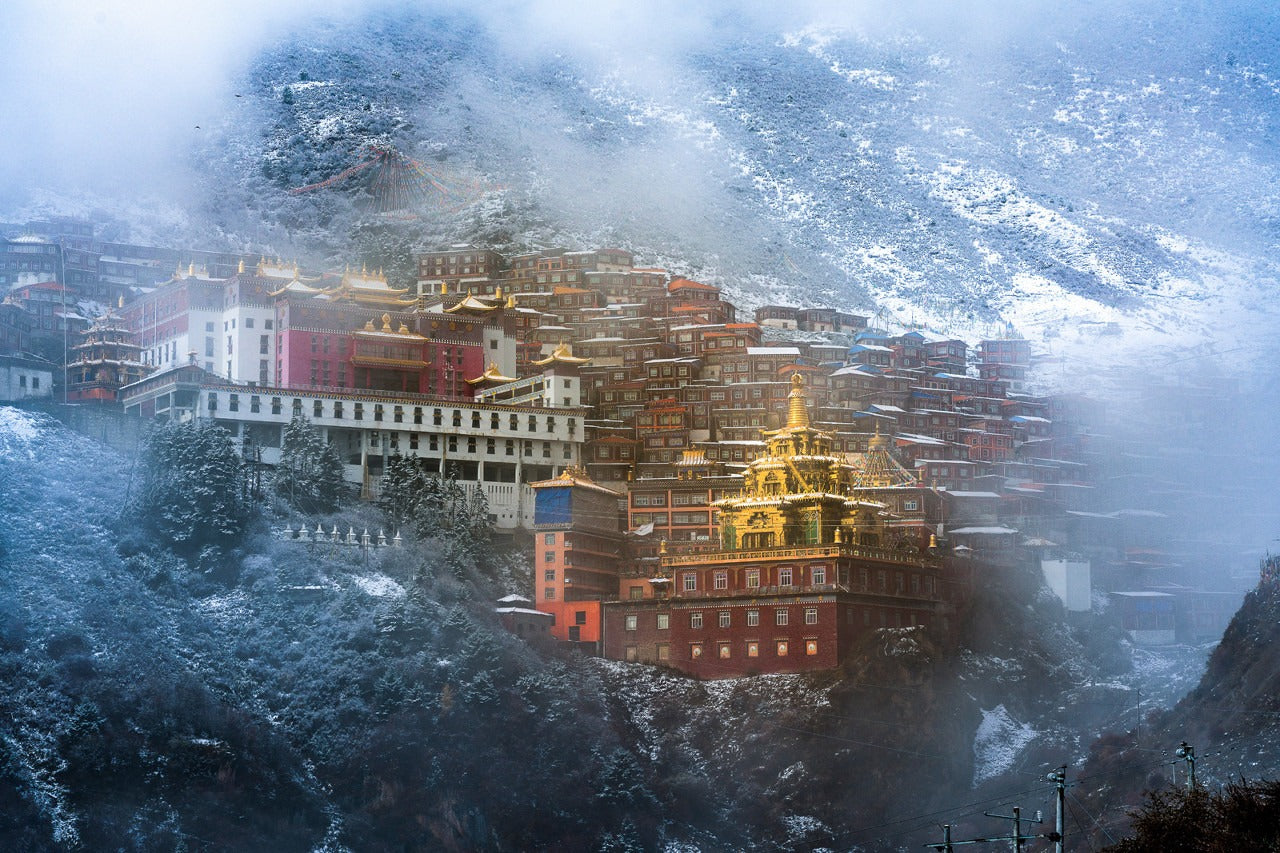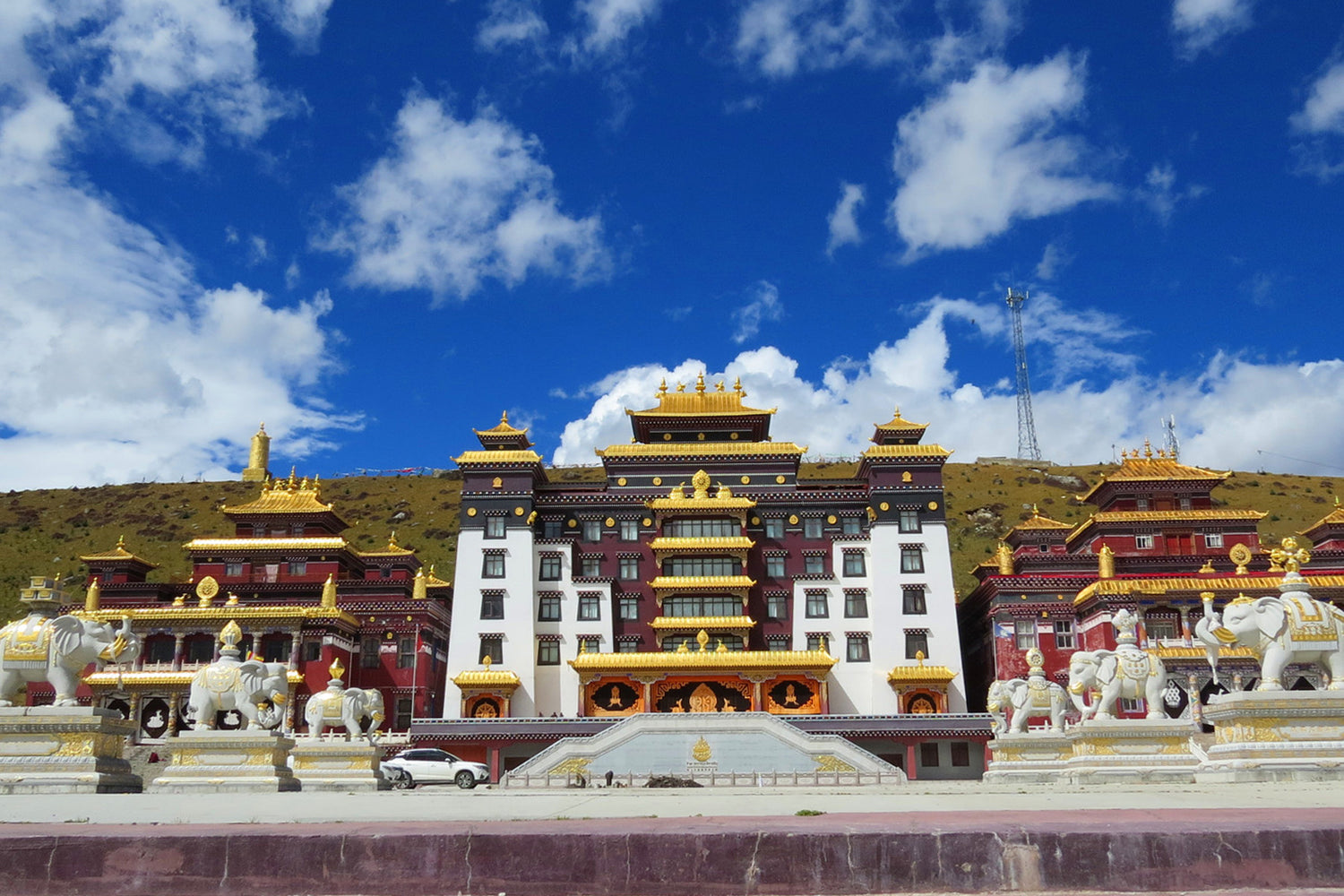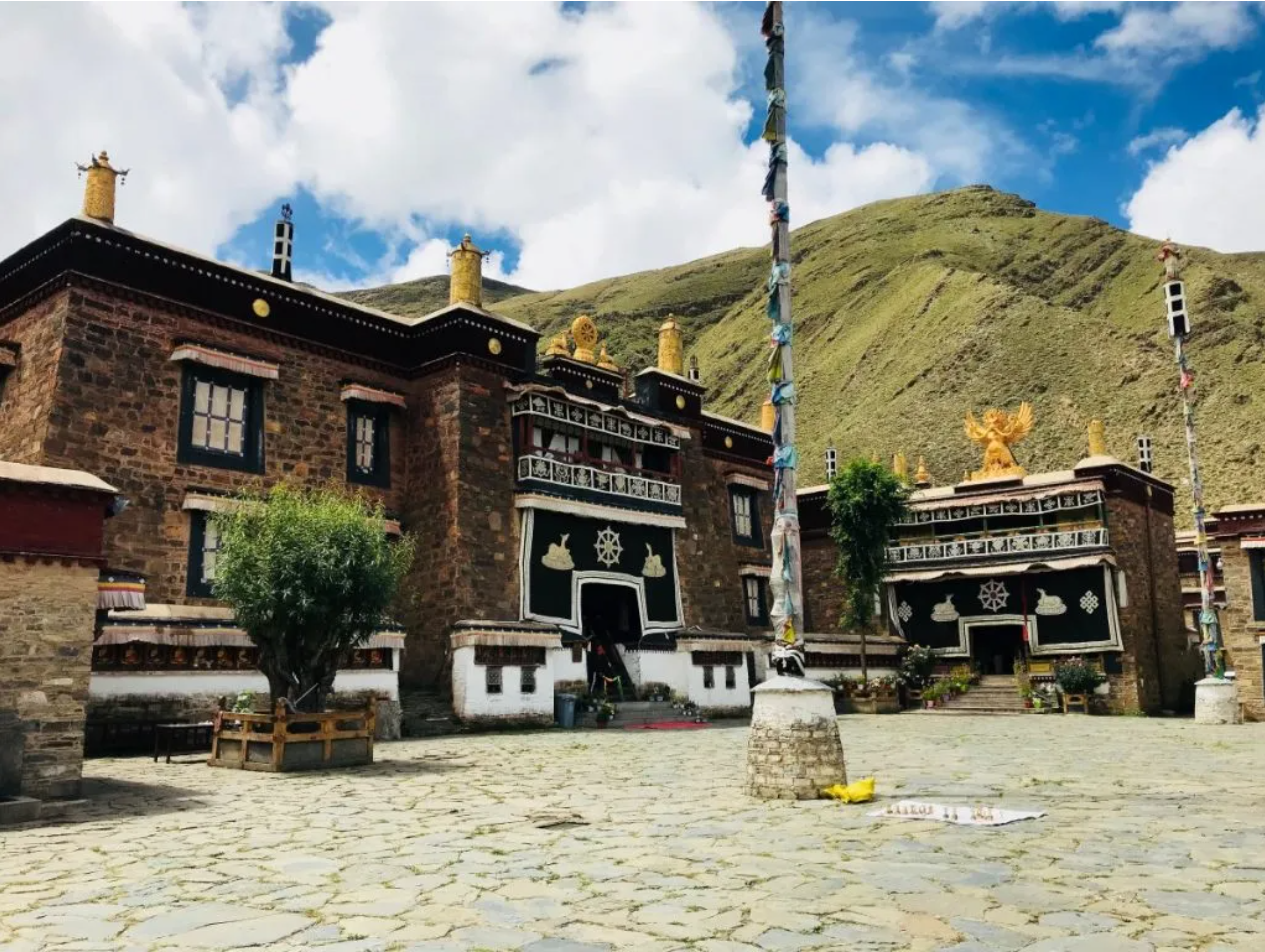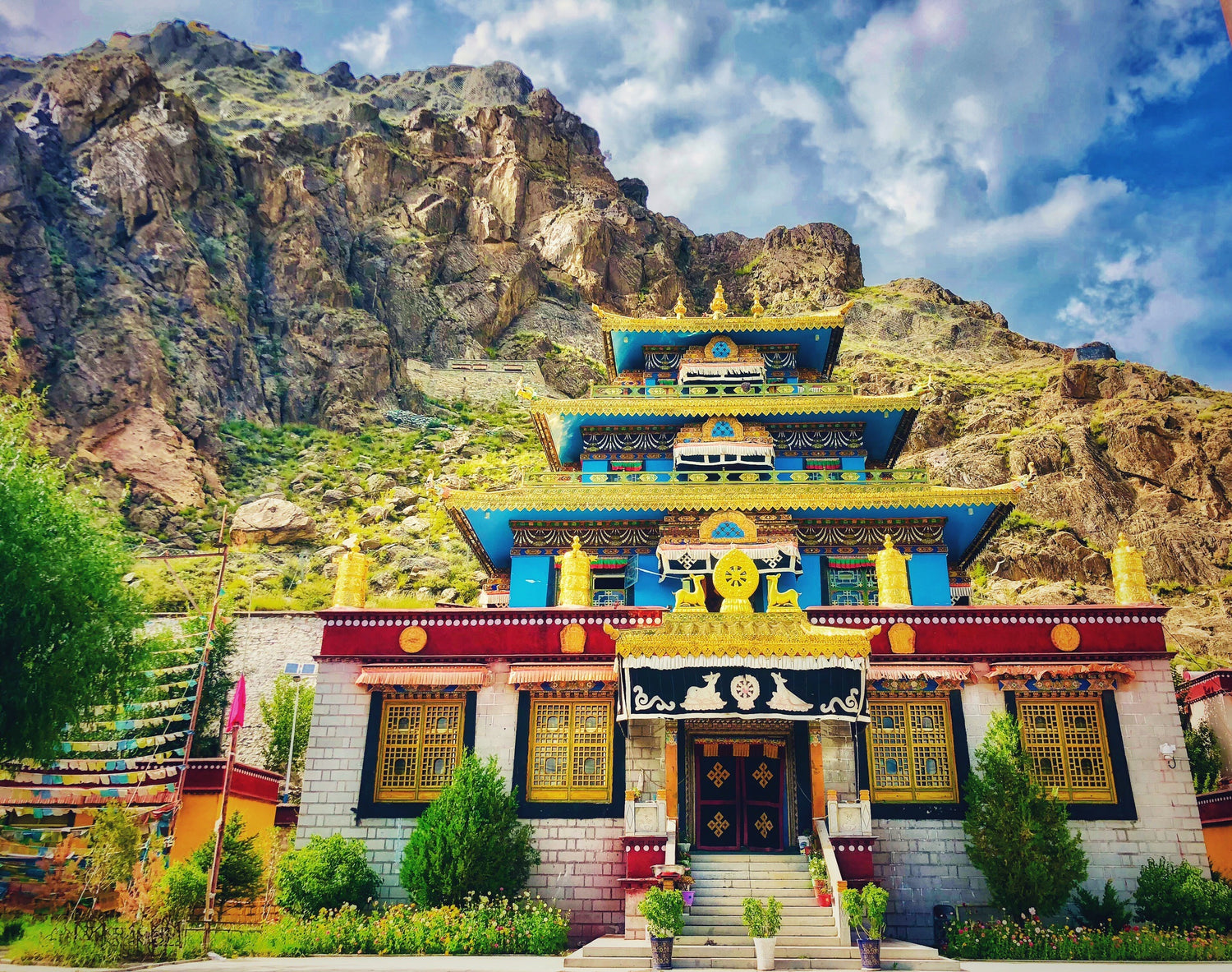
The Nyingma School: An Ancient River of Wisdom That Has Never Ceased to Flow
In the galaxy of Tibetan Buddhism, the Nyingma School shines like the first and most enduring starlight. It is called "ancient" and revered as the "Red School," but its true secret lies in this: its antiquity is not sealed away in history but is a river of wisdom that hasnever ceased to flow, surging powerfully even today. To understand the Nyingma School is to trace the source of Tibetan Buddhism and to touch an art of awakening that points directly to the mind and transcends time.
An Ancient Name, A Living Heart
The Tibetan word "Nyingma" means "ancient" or "old." This name is a mark of respect from the newer schools that emerged during the Later Diffusion of Buddhism in Tibet for the lineage transmitted from the Earlier Diffusion period. It signifies that the Nyingma School directly inherits the Dharma lineage from the 8th century, when Guru Rinpoche (Padmasambhava) brought Buddhism to Tibet. It is the very matrix of Tibetan Buddhism.
Yet, its "antiquity" is full of vitality. It has survived to this day through three remarkable modes of transmission:
- Oral Transmission: The mind-to-mind seal passed from master to disciple across generations.
- Terma (Hidden Treasure) Transmission: "Time capsules" concealed by Guru Rinpoche, revealed by "treasure discoverers" (tertöns) at specific times and places, keeping the teachings perpetually fresh.
- Pure Vision Transmission: Clear revelations received directly from wisdom deities by practitioners in states of high realization.
Thus, the term "Nyingma" is not a museum label but a certification of vitality, like a "living fossil."
The Red Identifier: More Than Just a Hat
Its common Chinese name, "Red School," comes from the red trimming on its monks' hats. But this shade of red carries deeper symbolism:
- The Color of Energy: Symbolizes the blazing energy and vital life force inherent in the tantric teachings transmitted by Guru Rinpoche.
- The Color of Transcendence: Represents the direct transcendence of dualistic concepts and worldly defilements.
- The Color of Compassion: Within the tranquil blueprint of the Dharma, it is a warm hue of active compassion.
Five Pillars: Upholding the Nyingma Sky
What has kept this river flowing for a millennium? Five core characteristics form its riverbed and course:
- Primordial Source: The only living transmission that fully inherits the "Earlier Diffusion" lineage from the Tibetan Empire period.
- The Founder's Imprint: An inseparable connection with Guru Rinpoche; from temple architecture to core tantric practices, his imprint is everywhere.
- Pinnacle Teaching: "Dzogchen" (the Great Perfection)—the summit of the nine vehicles of Dharma, which asserts the innate perfection of mind-nature and awakening in the present moment.
- Cultural Synthesis: The wisdom to incorporate rituals and deity systems from Tibet's indigenous Bön tradition, forming a unique Tibetan tantric culture characterized by "a Buddhist heart within a Bön form."
- Flexible Practice: A parallel existence of strict monastic discipline and the lay tantric practitioner (ngakpa) tradition. Practice can occur in monasteries, but also in households and mountain caves, demonstrating remarkable adaptability and vitality.
Dzogchen: Three Statements to the Core
The heart essence of the Nyingma School's supreme path, "Dzogchen," can be condensed into three pivotal statements—a complete system of View, Meditation, and Action:
- View: "The nature of mind is primordially Buddha." Like the sky: clouds (thoughts) come and go, but the sky (mind-nature) itself remains clear, complete, and unmoving. Practice begins with this fundamental recognition.
- Meditation: "Rest naturally, without fabrication." After recognizing this nature, no deliberate effort is needed. Like a lion watching snow, remain calm and at ease, naturally abiding in primordial awareness.
- Action: "Afflictions are themselves wisdom." From the ultimate view, all phenomena are the play of mind's nature. When afflictions arise, simply recognize their empty essence. It is like drawing on water—images appear without obstruction and leave no trace.
These three statements form a complete map from theory to practice, from confusion to enlightenment.
The Nine Vehicles: A Complete Stairway to Enlightenment
If Dzogchen is the peak, the Nyingma School has built a complete staircase for all climbers—the Graded Path of the Nine Vehicles. This is an inclusive, not exclusive, educational system:
【Śrāvakayāna】→【Pratyekabuddhayāna】→【Bodhisattvayāna】
(The Sutrayana Three Vehicles, pursuing personal liberation and altruistic aspiration)
↓
【Kriyātantra】→【Caryātantra】→【Yogatantra】
(The Outer Tantric Three Vehicles, purifying body and mind through ritual and visualization)
↓
【Mahāyoga】→【Anuyoga】→【Atiyoga】
(The Inner Tantric Three Vehicles, the unique Nyingma teachings, with Atiyoga being Dzogchen)
The key point: This is not an elimination contest but a structure of inclusion. The higher vehicles encompass the essence of the lower ones, just as university studies encompass primary and secondary education. Dzogchen, as "Atiyoga," does not negate the first eight vehicles; rather, from the height of realizing mind's nature, it synthesizes the essence of all practices.
Conclusion: Ancient Means Ever New
In an age that pursues the trendy, the "antiquity" of the Nyingma School offers a counter-intuitive revelation: the deepest wisdom is often preserved in the most primordial transmissions. Its value lies not in being old, but in being old yet perpetually renewing—the Dzogchen teaching points directly to the essence of mind, an essence that is timeless and unchanging.
It reminds us that awakening is not about creating something new but about recognizing the treasure that has never left us, that is inherently perfect. This ancient river of wisdom still flows today, awaiting any sincere person to cup its water, taste it, and see reflected there their own true face.
To explore the Nyingma School is not merely to learn about a history; it is to inquire within ourselves: In the depths of our own lives, is there not also a river of wisdom that has never ceased to flow?
The Nyingma School (rNying ma pa) is the oldest sect of Tibetan Buddhism. Its name "Nyingma" means "ancient," and it claims to preserve the teachings directly transmitted from masters such as Padmasambhava during the Early Diffusion period (8th–9th centuries). Its historical origins can be divided into three stages
Historical Origins and Development of the Nyingma School of Tibetan Buddhism
I. Historical Origins
- Foundation During the Early Diffusion (7th–9th Centuries)
Buddhism was formally introduced to Tibet during the reign of Songtsen Gampo (7th century). However, the Nyingma School traces the source of its teachings to King Trisong Detsen (8th century), who invited Padmasambhava to Tibet to propagate Buddhism. Together with masters like Śāntarakṣita and Vairocana, Padmasambhava established Samye Monastery, initiating a Buddhist tradition that integrated both exoteric and esoteric teachings. They also concealed numerous "termas" (hidden treasures). The core teaching of the Nyingma School, "Dzogchen" (Great Perfection), began to take shape during this period, though it had not yet formed an independent sect. - The Dark Age and Terma Transmission (9th–11th Centuries)
The persecution of Buddhism under King Langdarma (838–842 CE) led to an interruption of Buddhism in Tibet for about a century, known as the "Dark Age." Nyingma practitioners preserved the teachings secretly as lay yogis, relying on the "terma" system—where "tertöns" (treasure revealers) rediscovered texts and ritual objects hidden by Padmasambhava and other masters—to safeguard a large body of esoteric teachings. During this period, the transmission was decentralized and often family-based. - Formation as a Distinct School in the Later Diffusion (11th Century Onward)
After Buddhism revived in Tibet, newer schools (such as Sakya, Kagyu, and Gelug) emerged. The Nyingma School was systematically organized by masters like the "Three Zur":Zurpoché Shakya Jungné (1002–1062) established Uparang Monastery and systematized the "Nine Yānas" doctrinal classification of the Nyingma.Zur Chökyi Drakpa (1014–1074) and Drogön Drupchok (1074–1134) further refined the esoteric transmissions, transforming the Nyingma into a complete school with monasteries, scriptures, and rituals.
II. Doctrinal Characteristics
- The Nine Yānas
The Nyingma School classifies Buddhist teachings into nine vehicles:Śrāvakayāna, Pratyekabuddhayāna, Bodhisattvayāna (the three exoteric vehicles).Kriyāyoga, Caryāyoga, Yogatantra (the three outer tantric vehicles).Mahāyoga, Anuyoga, Atiyoga (the three inner tantric vehicles).
The highest teaching, "Atiyoga," is Dzogchen, which asserts the innate purity of the mind and the possibility of directly realizing one's inherent buddha-nature. - Two Major Transmission LineagesKama (Canonical Transmission): Direct translations of Sanskrit texts from the Early Diffusion period, such as the Guhyagarbha Tantra.Terma (Treasure Transmission): Teachings revealed by tertöns (like Longchen Rabjam and Pema Lingpa), creating a dynamic system of renewal. Famous terma include The Tibetan Book of the Dead (Bardo Thödröl).
- Key FiguresLongchen Rabjam (1308–1364): Synthesized Dzogchen teachings, authoring works like The Seven Treasuries, and founded the Longchen Nyingtik lineage.Jigme Lingpa (1730–1798): A renowned tertön who revealed the Longchen Nyingtik cycle, profoundly influencing later practice.Mipham Rinpoche (1846–1912): A prolific scholar and philosopher of the late Nyingma tradition.
III. Developmental Trajectory
- Early Decentralized Development
For a long time, the Nyingma School lacked a central monastic institution, relying instead on family-based temples and hermitic practices, with relatively loose ties to political authorities. - Revival in Kham and Amdo (17th–18th Centuries)
A network of "Six Mother Monasteries" emerged in Kham (modern Sichuan and Qinghai) and Amdo:Dzogchen Monastery (founded 1684), Kathok Monastery (founded 1159), Palyul Monastery (founded 1665), and others became key centers.The Fifth Dalai Lama (1617–1682), though belonging to the Gelug school, also supported the Nyingma, building Namgyal Dratsang. - Modern Global Spread (20th Century–Present)After 1959, many Nyingma practitioners went into exile in India and Nepal, establishing monasteries and institutes such as those in Dehradun, North India.Influence in the West: Masters like Dilgo Khyentse Rinpoche and Dzongsar Khyentse Rinpoche actively propagated teachings in Europe and America, making Dzogchen a focus of international Tibetan Buddhist practice.Dialogue with Science: Works such as Sogyal Rinpoche's The Tibetan Book of Living and Dying sparked Western interest in Tibetan Buddhist perspectives on life and death.
IV. Current Status and Challenges
- Four Major Branches
Modern Nyingma is primarily divided into:The Kama (Canonical) tradition (centered at Kathok and Dzogchen).The Northern Terma tradition (centered at Palyul).The Southern Terma tradition (centered at Mindrolling).New Terma traditions (such as Dudjom New Treasures). - Political and Religious Relations
Historically, the Nyingma School maintained relative political independence. However, contemporary relations with both the Dalai Lama's exile community and the government of the Tibet Autonomous Region are complex, with some monasteries facing challenges in balancing cultural preservation and political dynamics. - Cultural Contributions
The school has preserved many texts from the Tibetan Imperial period. Its thangka painting, sand mandalas, and cham (ritual dances) are recognized as intangible cultural heritage.
Conclusion
Rooted in its "ancient" transmissions and revitalized through the terma system, the Nyingma School has emerged as a significant force in the global dissemination of Tibetan Buddhist culture in the modern era. Its history reflects the evolution of Tibetan Buddhism from esoteric practices to institutionalized schools and contemporary adaptation, offering key insights into the broader narrative of Tibetan civilization.
The Nyingma School (meaning "Ancient School"), the oldest sect of Tibetan Buddhism, is known for inheriting the teachings of masters such as Padmasambhava and Vimalamitra from the Tibetan imperial period. Its system integrates both exoteric and esoteric teachings, with a particular emphasis on Dzogchen (Great Perfection). Below are its core teachings and practice system
Core Teachings and Practice System of the Nyingma School of Tibetan Buddhism
I. Core Teachings
- The Nine Yānas (Vehicles)
The Nyingma School classifies the Buddha's teachings into the "Nine Yānas" to encompass all Buddhist doctrines:Śrāvakayāna, Pratyekabuddhayāna, Bodhisattvayāna: These belong to the three exoteric vehicles, collectively known as the "Causal Vehicles."Kriyā Tantra, Caryā Tantra, Yoga Tantra: These belong to the three outer tantric vehicles.Mahāyoga (Generation Stage), Anuyoga (Completion Stage), Atiyoga (Dzogchen): These belong to the three inner tantric vehicles (Highest Yoga Tantra), with Atiyoga being the highest teaching in the Nyingma School. - Dzogchen (Great Perfection)Core Philosophy: It asserts that the nature of the mind is inherently pure ("Primordial Awareness" or "Luminous Empty Mind"). All afflictions and cyclic existence arise due to ignorance obscuring this innate awareness. The practice aims to directly recognize the nature of the mind and instantly realize its "true face."Three Divisions:Mind Division: Emphasizes the emptiness of mind, free from all attachments.Space Division: Focuses on the luminous nature of reality, manifesting the realm of wisdom.Instruction Division: Relies on direct oral instructions from the master for sudden realization, representing the highest practical system.View: "Primordial Purity" and "Spontaneous Accomplishment," meaning the mind's nature requires no fabrication and naturally embodies the Three Bodies of a Buddha (Dharmakāya, Sambhogakāya, Nirmāṇakāya).
- Terma (Hidden Treasure) TeachingsMasters such as Padmasambhava concealed tantric teachings (Terma) in landscapes, lakes, or the minds of disciples. These are later revealed by "Tertöns (Treasure Revealers)" when conditions are ripe, forming the Terma Transmission. Texts like The Tibetan Book of the Dead are famous Terma literature. This system allows the teachings to adapt to the needs of different eras.
II. Practice System
- Preliminary Practices (Ngöndro)Four Common Preliminaries: Reflecting on the preciousness of human life, the impermanence of death, the law of cause and effect, and the sufferings of cyclic existence.Four Uncommon Preliminaries:Taking Refuge and Generating Bodhicitta (Refuge in the Three Jewels and awakening the mind of enlightenment).Vajrasattva Practice (Purifying karmic obscurations).Mandala Offering (Accumulating merit).Guru Yoga (Connecting with the master).These serve as the foundation for entering the main practice of Dzogchen and must be repeatedly practiced to purify the mind.
- Main Practice: Dzogchen MeditationTrekchö (Cutting Through):
Directly "cutting off" discursive thoughts and abiding in the inherently pure nature of the mind, without following past or future thoughts.Tögal (Direct Crossing):
Building on Trekchö, this practice employs special methods (such as gazing into space or luminosity practices) to manifest the "Primordial Luminous Awareness." It leads to the realization of the Four Visions (Manifestation of Reality, Increase of Experience, Awareness Reaching Its Limit, and Exhaustion of Reality), ultimately achieving the Rainbow Body.Guidance of the Master: Dzogchen practice heavily relies on oral instructions and mind-to-mind transmission from the master, emphasizing the direct recognition of the mind's nature. - Tantric PracticesThe Nyingma School emphasizes deity practices such as the "Eight Herukas" (Sanskrit: Sadhana of Eight Herukas), combining the Generation Stage (visualizing deities and mandalas) and the Completion Stage (energy channels, winds, and essences practices) as a preparation for Dzogchen.
- Daily and Lifelong PracticesMonastic Rituals: Recitations, fire pujas, cham (ritual dances), and ceremonies such as the "Guru Rinpoche Festival" commemorating Padmasambhava.Retreat Practice: Practitioners often undertake years of retreat to focus on Dzogchen or deity practices.Life Yoga: Integrating all daily activities into practice, maintaining non-dual awareness.
III. Key Scriptures and Figures
- Scriptures: The Nyingma Gyübum (Collected Tantras of the Nyingma), Resting in the Nature of Mind, The Seven Treasuries of Longchenpa, The Tibetan Book of the Dead, etc.
- Key Figures:Padmasambhava: Founder of the Nyingma School.Vimalamitra: A key figure in the Dzogchen lineage.Longchenpa (1308-1364): Synthesized Dzogchen teachings and authored The Seven Treasuries.Jigme Lingpa (1730-1798): A Tertön who established the "Longchen Nyingtik" lineage.Modern Masters: Dilgo Khyentse Rinpoche, Dzongsar Khyentse Rinpoche, among others, who have contributed to the global spread of the Nyingma School.
IV. Characteristics and Influence
- Ancient Transmission: Preserves tantric practices from the Tibetan imperial period, such as Dzogchen's emphasis on direct realization over gradual stages.
- Flexibility: The Terma system allows teachings to adapt and renew according to the times.
- Inclusivity: Emphasizes the harmony of exoteric and esoteric teachings, coexisting peacefully with other schools.
- Global Spread: Since the 20th century, Dzogchen has gained widespread popularity in the West, becoming a method for modern mental cultivation.
Conclusion
The Nyingma School centers on Dzogchen, encompassing all Buddhist teachings through the framework of the Nine Yānas. Its Terma transmission keeps the teachings vibrant and relevant. The practice progresses from foundational preliminaries to the direct realization of the mind's nature, combining systematic training with the possibility of sudden breakthrough. Today, the Nyingma School maintains its traditional retreat practices while actively engaging with modern psychology, science, and other fields to benefit contemporary practitioners.

Samye Monastery · The Ancestral Seat of the Nyingma School
The First Buddhist Monastery of Tibet · Origin of the Ancient Red School
Key Figures & Lineages of the Nyingma School in Tibetan Buddhism
The Nyingma Pa (“Nyingma” meaning “ancient”) is the oldest school of Tibetan Buddhism, centered on preserving the original Buddhist teachings introduced to Tibet during the Tibetan Empire (7th–9th centuries). It venerates Padmasambhava as its founding master, integrating both exoteric and esoteric doctrines—with particular emphasis on esoteric transmission and the revelation of Terma (hidden treasure teachings). Its lineage system consists of two major branches: the “Long-Distance Transmission of Sutra Lineage” and the “Recent Transmission of Terma Lineage.” Spanning more than a millennium of Tibetan Buddhist development, its core figures and lineage structure are essential for understanding Tibetan religious culture.
The Nyingma Pa’s lineage centers on the "founding master-transmitting guru-Terma master" continuum. Each pivotal figure has played a decisive role in shaping the school’s doctrines, spreading its teachings, or sustaining its lineage. Below are the most representative figures
Core Key Figures
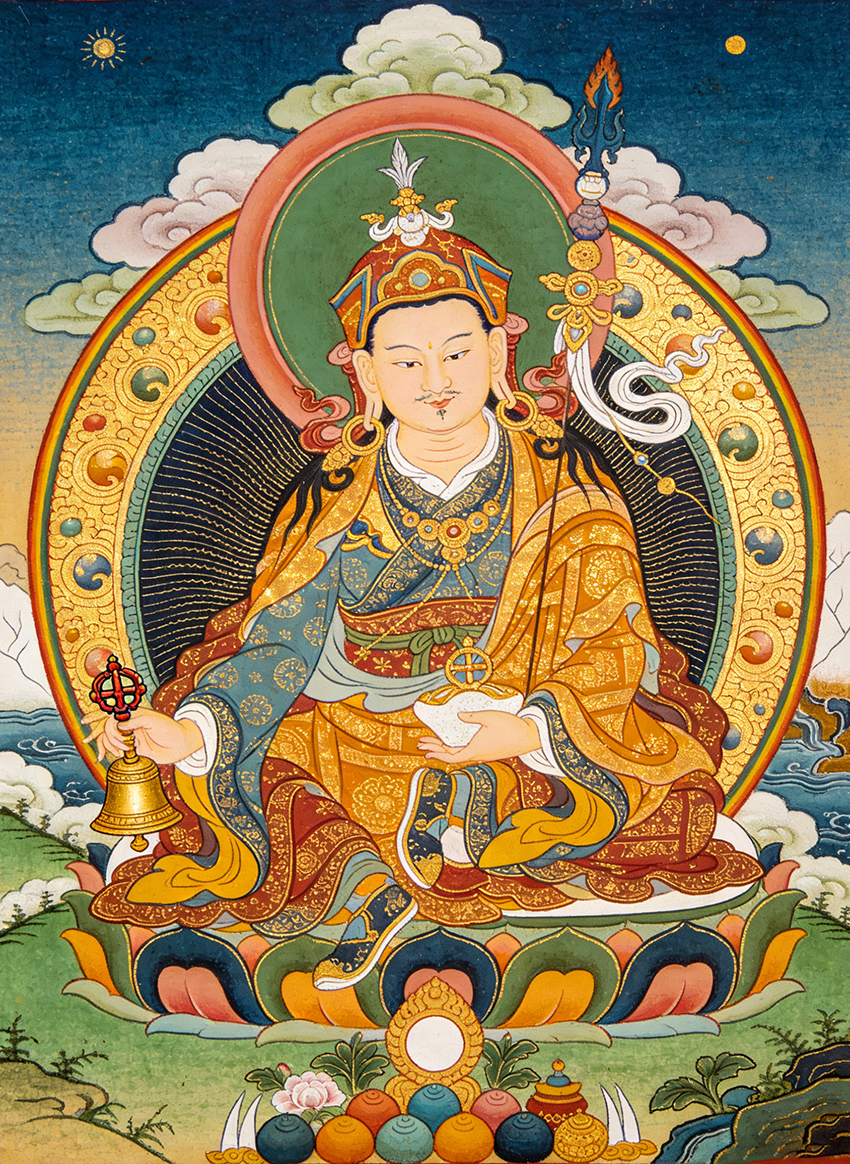
1. Padmasambhava (8th century) – Founding Master of the Nyingma Pa
- Core Status: Honored as the "founder of the school" and one of the pioneering masters of Tibetan Buddhist esotericism. Together with Śāntarakṣita and King Trisong Detsen, he is known as the "Three Great Masters of Tibet," laying the foundation for the Nyingma Pa’s esoteric transmission.
- Key Contributions:Invited to Tibet by King Trisong Detsen, he subdued demonic obstacles, presided over the construction of Samye Monastery (Tibet’s first fully ordained monastery with the Three Jewels of Buddha, Dharma, and Sangha), and pioneered the translation of scriptures, propagation of Dharma, and monastery building in Tibetan Buddhism.Translated numerous Indian esoteric texts (e.g., core scriptures of Vajrayāna and Dzogchen) and systematized teachings introduced during the Tibetan Empire, establishing the Nyingma Pa’s basic esoteric framework.To protect the Dharma from loss amid historical upheavals, he concealed core esoteric teachings, rituals, and mantras as "Terma" (buried underground, in caves, or within Buddha statues), prophesying that future disciples would reveal them sequentially—becoming the source of the Nyingma Pa’s Terma lineage.Mentored Tibet’s first native gurus (e.g., Yeshe Tsogyal and Vairotsana), bridging Indian and Tibetan Dharma traditions. His teachings are venerated by all Nyingma sub-schools.
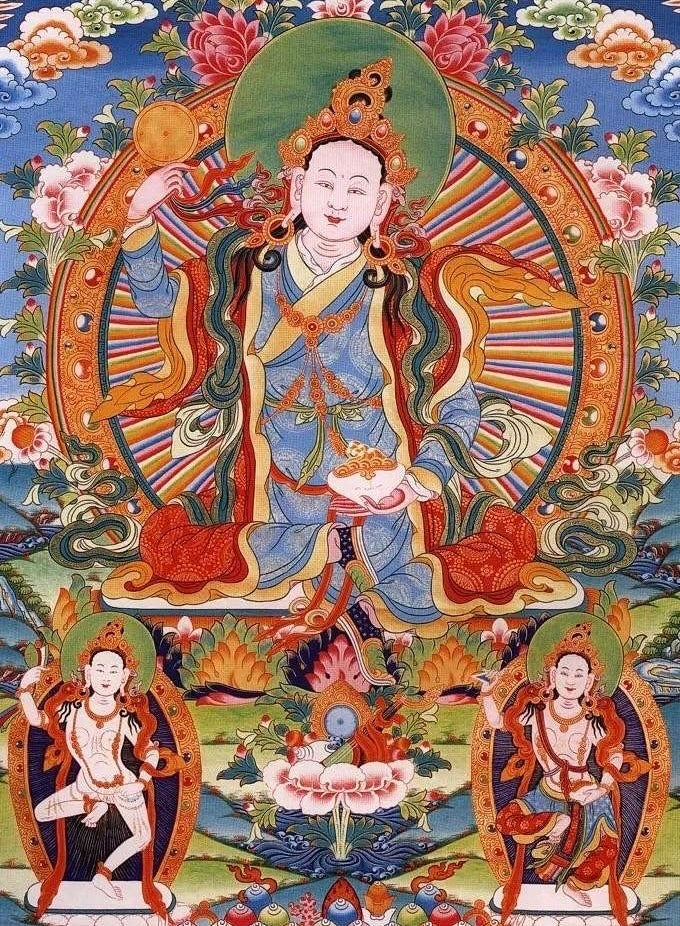
2. Yeshe Tsogyal (8th century) – Female Lineage Ancestor & Padmasambhava’s Principal Disciple
- Core Status: Tibet’s most renowned female guru during the Tibetan Empire, Padmasambhava’s "mind disciple" (direct heart-to-heart transmission), and a pivotal figure in the Nyingma Pa’s female and Terma lineages. Honored as the "Tibetan Female Buddha" and "emanation of a ḍākinī."
- Key Contributions:Assisted Padmasambhava in translating scriptures, propagating Dharma, and building Samye Monastery. As his direct heir, she compiled his esoteric teachings into texts for transmission to future generations.Participated in Padmasambhava’s Terma burial, mastering the locations and revelation prophecies of core Termas. Her personal lineage ("Yeshe Tsogyal’s Heart Essence") became the backbone of the Nyingma Pa’s female guru transmission.Promoted esoteric Dharma among Tibetan women, challenging the male-dominated religious hierarchy of her time. Her reincarnation lineage (e.g., the Dorje Phagmo ḍākinī) endures today as a core symbol of the Nyingma Pa’s "ḍākinī transmission."
3. Vairotsana (8th century) – Great Translator & Core Exoteric-Esoteric Transmitter
- Core Status: One of the "Seven Pillars of Buddhism" (Tibet’s first seven ordained monks), a dual disciple of Padmasambhava and Śāntarakṣita, and the founding father of the Nyingma Pa’s "Long-Distance Transmission of Sutras Lineage." Known as "Tibet’s greatest translator."
- Key Contributions:Studied in India and Nepal, mastering Sanskrit and Buddhist doctrine. He translated numerous exoteric scriptures and esoteric rituals, with a focus on introducing Dzogchen (the Great Perfection) to Tibet, establishing its canonical framework.Oversaw Samye Monastery’s translation institute, training a team of native Tibetan translators to systematically introduce Indian Buddhist teachings to Tibet—filling gaps in the region’s Dharma transmission.His "Vairotsana Translation Lineage" became the core of the Nyingma Pa’s integrated exoteric-esoteric tradition, venerated by major Nyingma monasteries such as Mindrolling Monastery and Katok Monastery.
4. Longchenpa (1308-1363) – Architect of Nyingma Doctrine
- Core Status: The Nyingma Pa’s most influential guru of the 14th century, the synthesizer of Dzogchen teachings, and the pinnacle figure of the "Long-Distance Transmission of Sutras Lineage." His works established the Nyingma Pa’s doctrinal framework, universally revered by all sub-schools.
- Key Contributions:Systematized a millennium of Nyingma scriptures and teachings, authoring core texts such as The Seven Treasures and The Four Heart Drops. He theorized Dzogchen’s "ground, path, and fruit" framework, resolving the fragmentation of earlier teachings.Integrated exoteric and esoteric lineages, advocating "the non-duality of exoteric and esoteric Dharma" and establishing the Nyingma Pa’s practice system—"exoteric Dharma as the foundation, esoteric Dharma as the shortcut."Mentored numerous disciples, founding the "Longchen Nyingthig" (Longchen’s Heart Essence) lineage—one of the Nyingma Pa’s most core and widespread traditions, enduring today across Tibet, Nepal, Bhutan, and beyond.
5. Chokgyur Lingpa (1829-1870) – Modern Terma Master & Sub-school Founder
- Core Status: A representative of the Nyingma Pa’s "Recent Transmission of Terma Lineage," known as the "King of Terma Masters." He revealed numerous Termas hidden by Padmasambhava, founding the Nyingma Pa’s "Chokyi Nyima" sub-school and reviving the tradition in modern times.
- Key Contributions:Revealed dozens of Termas throughout his life, including esoteric rituals, practice methods, and mantra texts. His Rinchen Terdzod (Precious Terma Treasury) is the Nyingma Pa’s definitive collection of Termas, enshrined as a core scripture by all Nyingma monasteries.Integrated Terma and scriptural lineages, advocating "Termas as the continuation of the Dharma" and bridging gaps in the Nyingma Pa’s modern transmission.His disciples spread across Tibet, spawning multiple sub-lineages. The reincarnation lineage of Chokyi Nyima Rinpoche remains one of the Nyingma Pa’s most active traditions today.
6. Jigme Phuntsok (1933-2004) – Reviver of Modern Nyingma Pa
- Core Status: The Nyingma Pa’s most influential guru of the 20th century, founder of Larung Gar Buddhist Academy, and a driving force behind the global spread of Nyingma teachings. He stands as a core benchmark of modern Nyingma transmission.
- Key Contributions:Established Larung Gar Buddhist Academy, breaking sectarian barriers to welcome disciples from Tibet, Han China, and around the world. It has become one of the largest Tibetan Buddhist academies globally, popularizing exoteric and esoteric Nyingma teachings.Collated and revised Nyingma scriptures and Terma texts, restoring lineage continuity disrupted by modern upheavals and promoting the standardized, systematic dissemination of Nyingma doctrine.Advocated "balancing compassion and wisdom," integrating Nyingma teachings with Tibetan traditional culture and charitable causes. His disciples span the globe, sustaining the Nyingma Pa’s modern transmission and expanding its international influence.
Core Lineage System
The Nyingma Pa’s lineage is not a single thread but comprises two main branches—the "Scriptural Transmission" and "Terma Transmission"—with multiple derivative sub-schools. Transmission methods include "oral transmission, mind transmission, and Terma transmission," with the core being an "unbroken guru lineage" (Guru Lineage) to ensure the purity and continuity of the Dharma.
(I) Two Core Lineage Mainlines
1. Long-Distance Transmission of Sutras Lineage
- Core Definition: The Nyingma Pa’s oldest lineage, also known as the "Scriptural Transmission Lineage." Tracing directly to the teachings of Padmasambhava and Śāntarakṣita during the Tibetan Empire, it centers on "transmitted scriptures" and has been passed down through oral and mind transmission without relying on Termas.
- Core Transmission Content:Exoteric Dharma: Focuses on cultivating renunciation and bodhicitta (enlightenment mind), with core texts such as The Guide to the Bodhisattva’s Way of Life and Dzogchen Preliminary Practices.Esoteric Dharma: Centered on Dzogchen (the Great Perfection), divided into "Mind Section, Space Section, and Instruction Section." As the Nyingma Pa’s highest practice, it emphasizes "directly pointing to the nature of mind and awakening in the present moment."
- Lineage Characteristics: Clear transmission lineage, emphasis on doctrinal theory and systematization, with Longchenpa as its spiritual core. Practiced by all Nyingma monasteries.
2. Recent Transmission of Terma Lineage
- Core Definition: The Nyingma Pa’s most distinctive lineage. "Terma" (hidden treasure) refers to esoteric teachings, mantras, and rituals concealed by Padmasambhava and other masters to protect the Dharma. These treasures were buried underground, in caves, within Buddha statues, or even in disciples’ minds. Later "Terma masters" (Tertöns) revealed them according to prophecies, forming this lineage.
- Core Transmission Content:Core Termas: Centered on Rinchen Terdzod and The Complete Collection of Nyingma Termas, including esoteric practice rituals, guru yoga, and deity practices (e.g., Padmasambhava practice and Vajrakīla practice).Lineage Core: The "revelation and transmission by Terma masters." Each Terma requires "guru authentication and prophetic verification" to ensure purity and prevent false Termas.
- Lineage Characteristics: Flexible and dynamic, bridging gaps in Dharma transmission across eras. It serves as the "vitality source" of the Nyingma Pa’s esoteric tradition, represented by masters like Chokgyur Lingpa and Dudjom Rinpoche.
(II) Key Sub-lineages
From the two main branches, the Nyingma Pa has spawned several influential sub-schools, each rooted in a core guru and enduring to this day. The three most representative are:
1. Longchen Nyingthig Lineage
- Origin: Founded by Longchenpa, integrating the "Long-Distance Transmission of Sutras" and "Recent Transmission of Terma"—the Nyingma Pa’s most core and widespread lineage.
- Core Characteristics: Based on Longchenpa’s The Seven Treasures and The Four Heart Drops, it balances scriptural theory with Terma practice, advocating "non-duality of exoteric and esoteric Dharma, and equal emphasis on meditation and ritual." Its transmission spans all Nyingma monasteries, making it the school’s "mainstream lineage."
2. Chokyi Nyima Lineage
- Origin: Founded by the modern Terma master Chokgyur Lingpa, centered on Terma transmission and one of the Nyingma Pa’s most active modern sub-schools.
- Core Characteristics: Focuses on practicing esoteric rituals and propagating Terma teachings from Chokgyur Lingpa’s Rinchen Terdzod. Emphasizes guru yoga—attaining rapid enlightenment through visualizing and receiving blessings from the guru. Its reincarnation lineage (Chokyi Nyima Rinpoche) continues to transmit the Dharma today.
3. Dudjom Lineage
- Origin: Founded by Dudjom Rinpoche (1904-1987), a 20th-century Nyingma synthesizer with both scriptural and Terma transmission credentials.
- Core Characteristics: Integrates teachings from major Nyingma sub-schools, emphasizing systematic doctrinal collation and global dissemination—particularly influential in the West. Dudjom Rinpoche’s disciples span Europe, America, and Asia, promoting the internationalization of Nyingma Dharma. Its teachings cover exoteric, esoteric, and Terma traditions, representing the Nyingma Pa’s "cross-regional transmission."
(III) Transmission Methods
The Nyingma Pa emphasizes "uninterrupted Dharma transmission," relying on three indispensable methods to ensure the teachings pass from master to disciple:
- Oral Transmission: Gurus verbally pass down scriptures, rituals, and mantras to disciples, requiring word-for-word memorization to ensure no loss— the most fundamental transmission method.
- Mind Transmission: Also known as "heart-to-heart transmission." Through blessings and guidance, gurus directly point to the disciple’s true nature, enabling realization of the Dharma’s core through meditation— the essence of esoteric transmission.
- Terma Transmission: After revealing Termas, Terma masters interpret and verify them before transmitting to disciples— a unique Nyingma method embodying the idea that "the Dharma endures with the times."
Core Characteristics & Cultural Significance
- Continuity of Transmission: Spanning from Padmasambhava in the 8th century to the present, the Nyingma Pa’s lineage has not experienced large-scale interruptions. This is due to the strictness of the "guru lineage," where each disciple requires formal guru authentication to ensure the purity of the Dharma.
- Balance of Exoteric and Esoteric Dharma: Unlike other Tibetan Buddhist schools, the Nyingma Pa emphasizes both exoteric theoretical study and esoteric practice, advocating "exoteric Dharma as the foundation, esoteric Dharma as the shortcut"— suitable for disciples of varying spiritual capacities.
- Uniqueness of Terma Culture: Terma transmission is the Nyingma Pa’s defining feature. Beyond Dharma continuity, Termas are important carriers of Tibetan religious culture and historical records, containing valuable information about the Tibetan Empire— serving as key sources for studying ancient Tibetan civilization.
- Cross-Regional Dissemination: Traditionally centered in Tibetan areas (Tibet, Qinghai, Sichuan, Gansu, etc.), the Nyingma Pa has expanded globally in modern times through masters like Jigme Phuntsok and Dudjom Rinpoche. It is now one of the most internationally spread Tibetan Buddhist schools, with followers in Nepal, Bhutan, India, Europe, and the Americas.
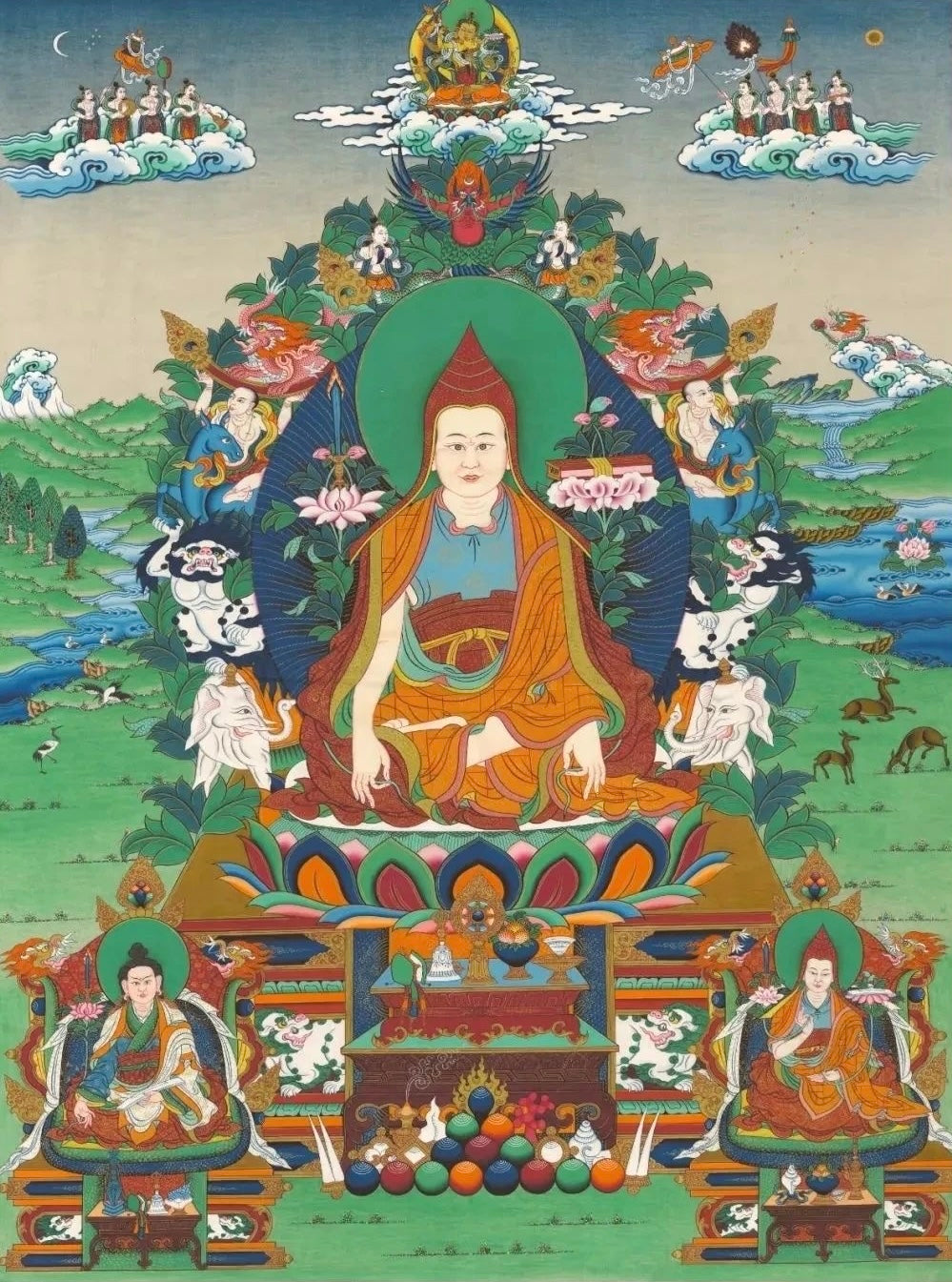
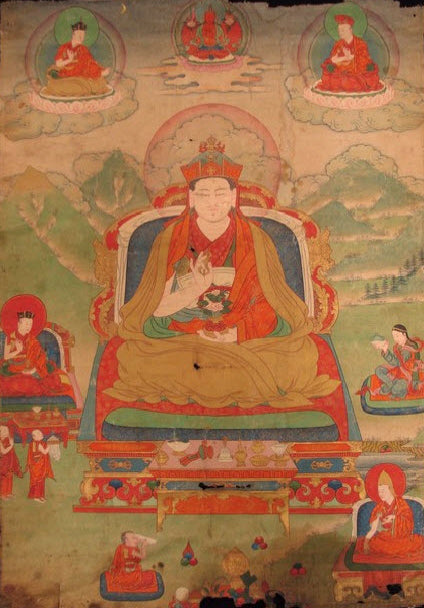
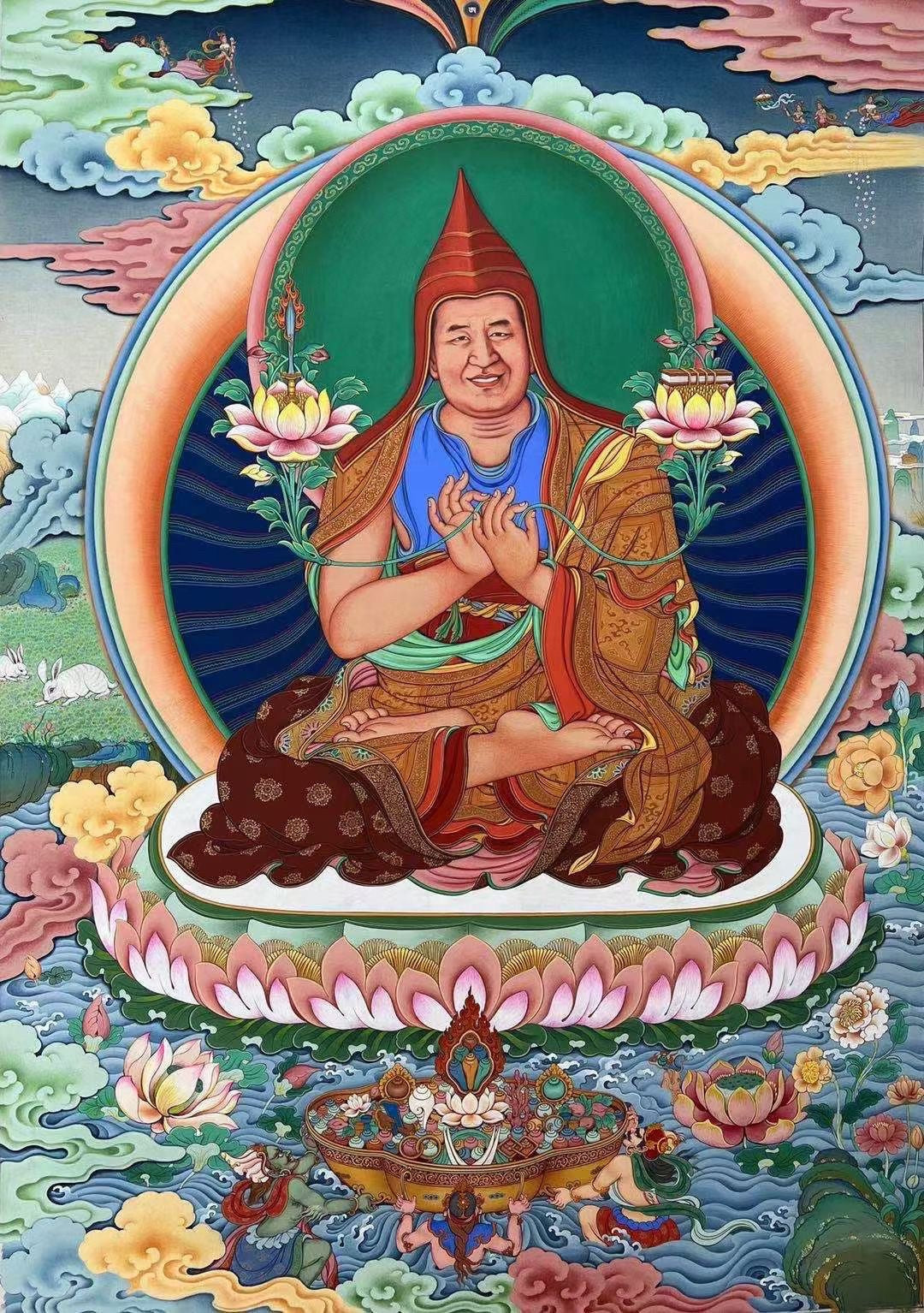
Nyingma Monastery Collection — Exploring Tibet’s Oldest Buddhist Tradition
Nyingma monasteries are renowned for their deep tantric traditions and distinctive architectural heritage.
Within these sacred centers, practitioners sustain the unbroken lineage of the Red School through scriptural study, meditation retreats, and ritual practices.
This series highlights the historical value, spiritual significance, and cultural beauty of the Nyingma monasteries.
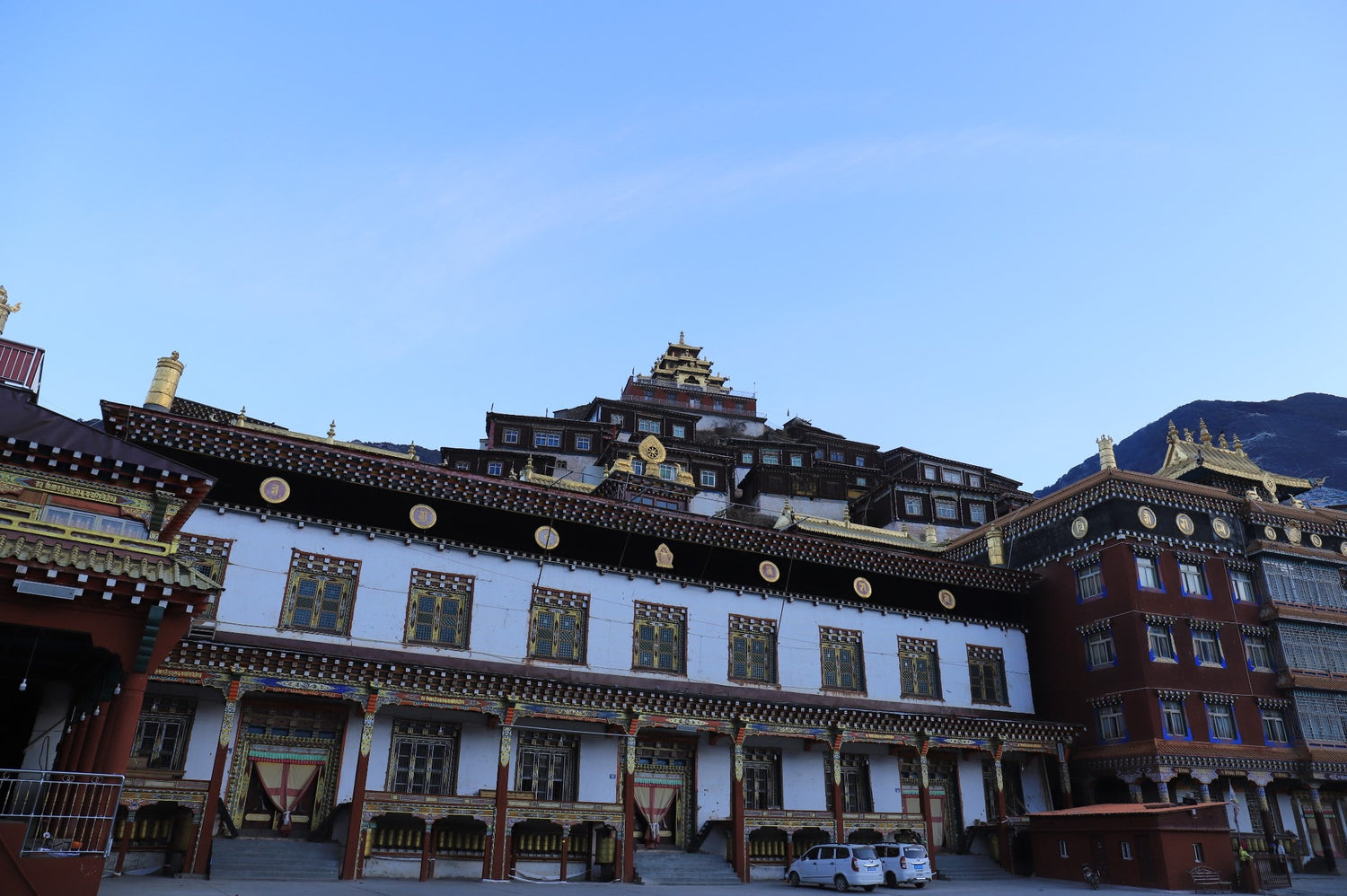
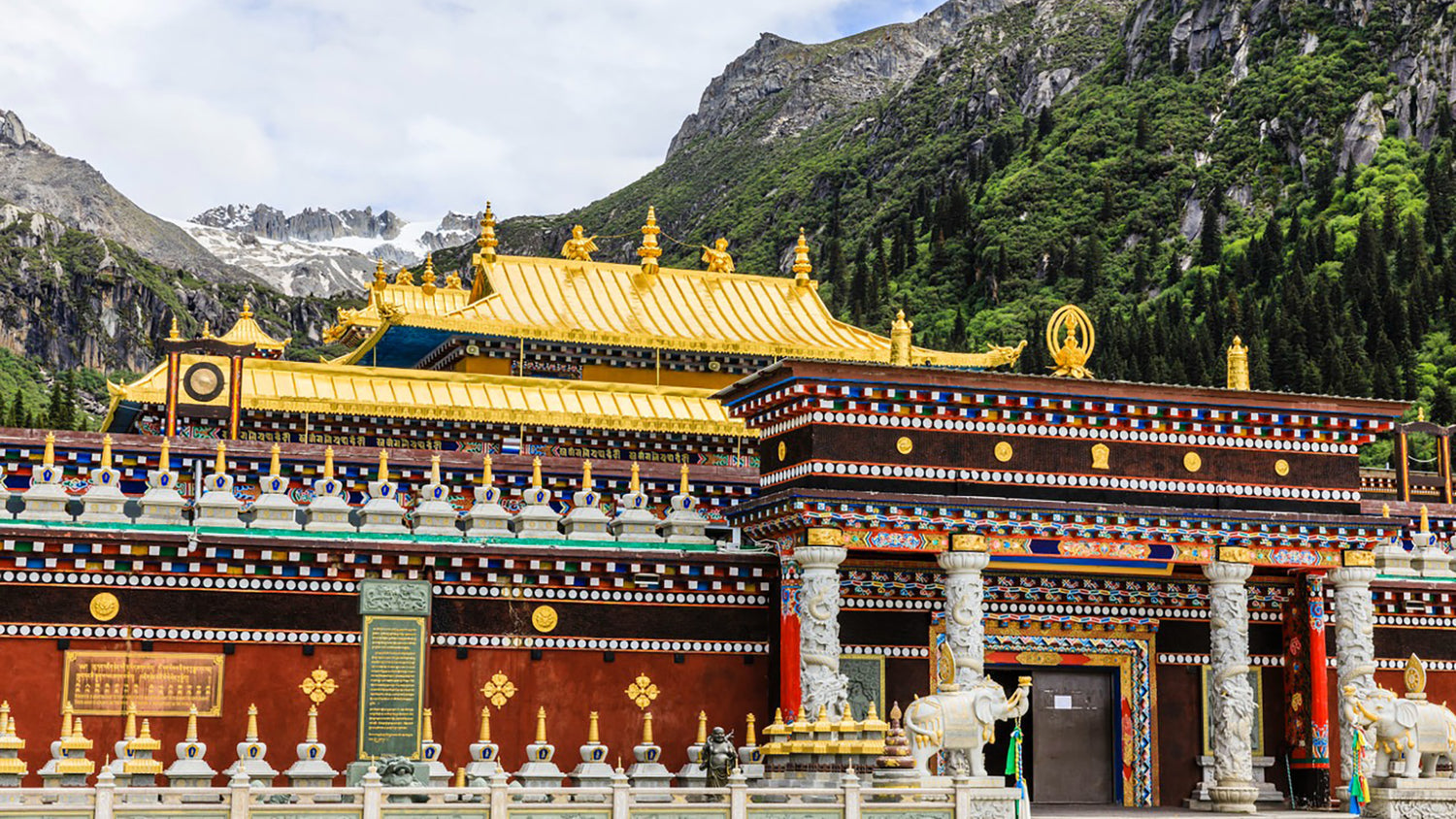
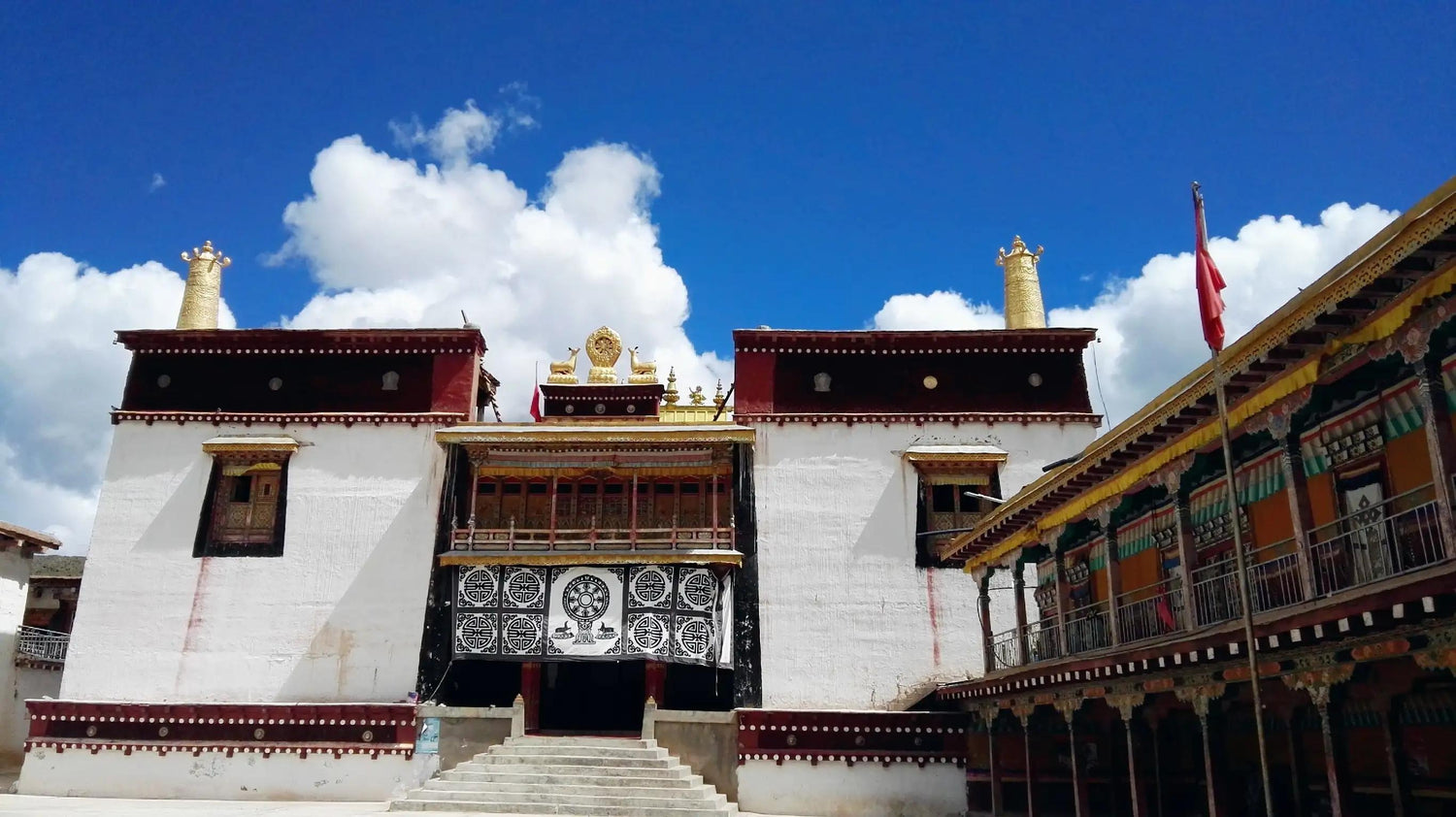
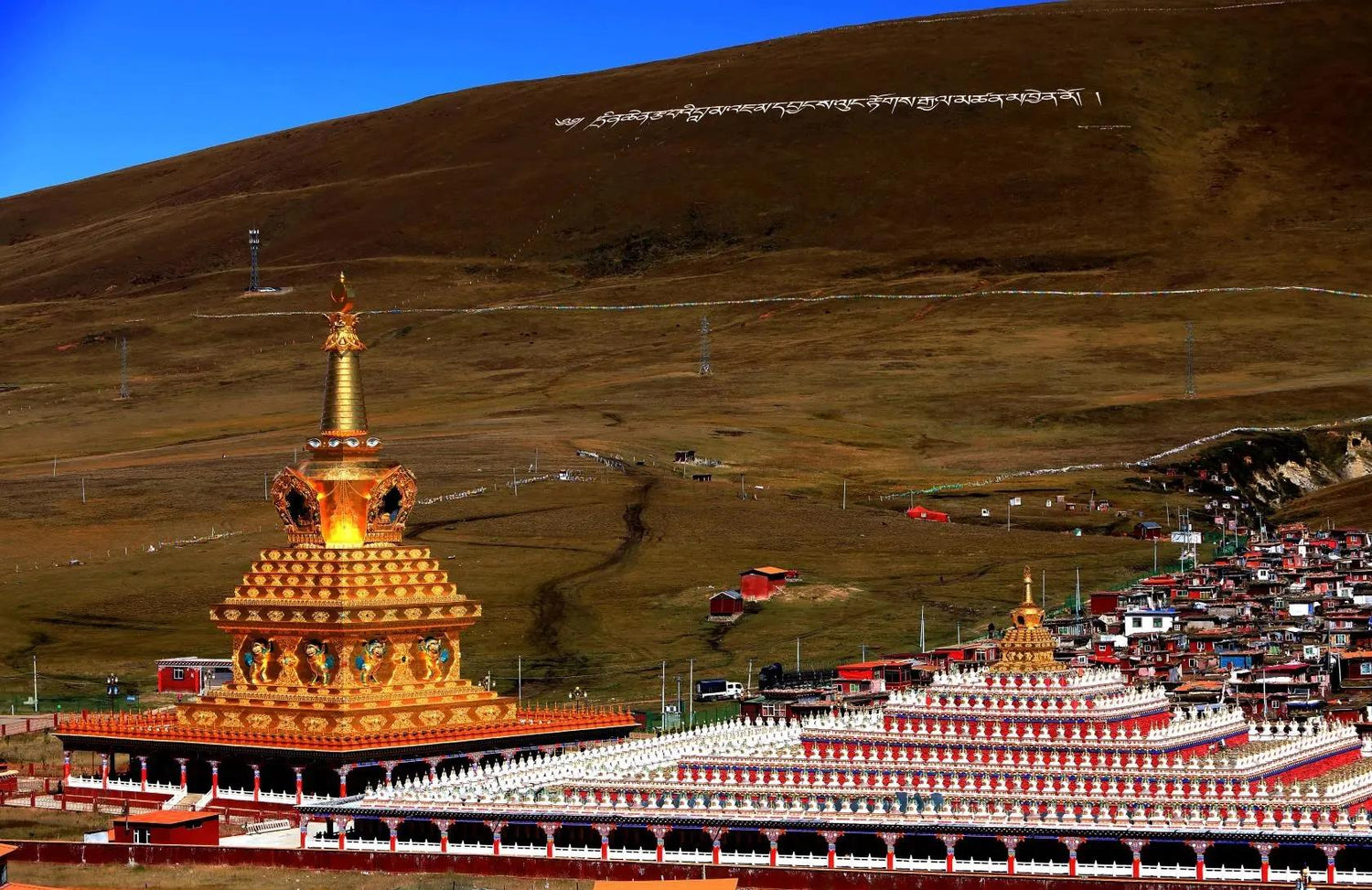
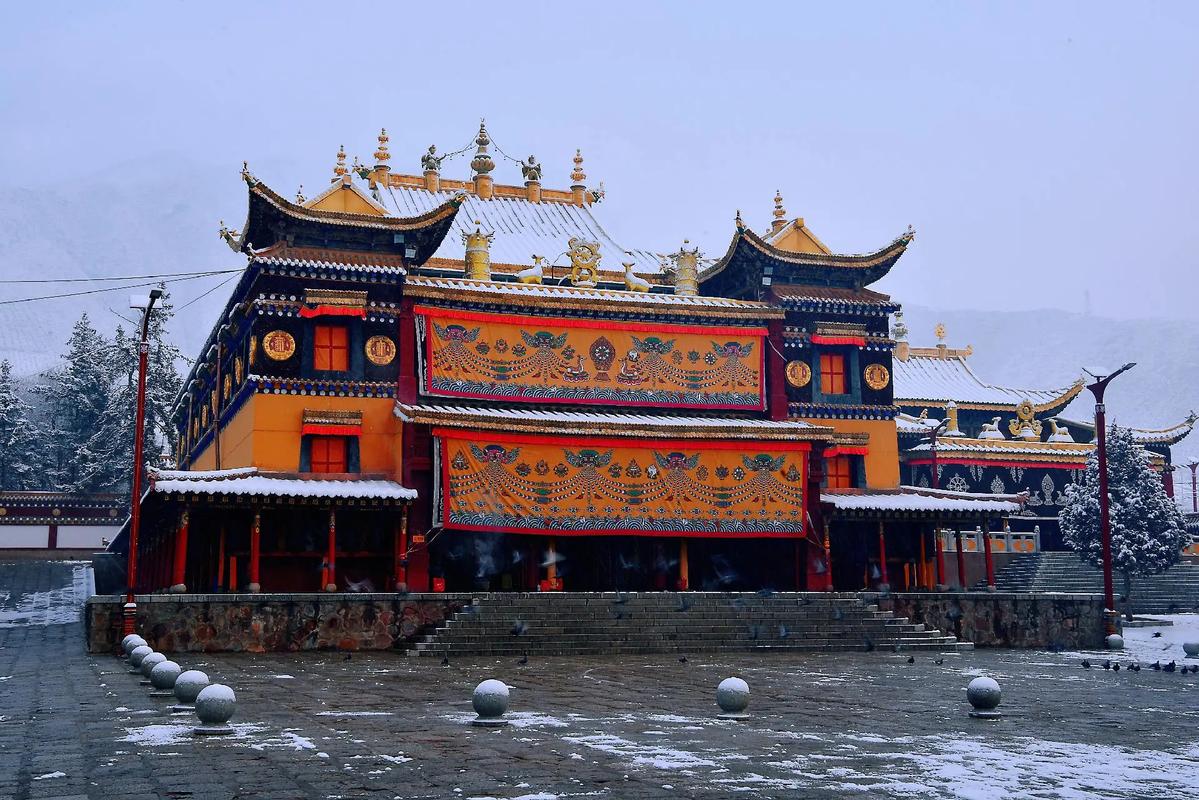
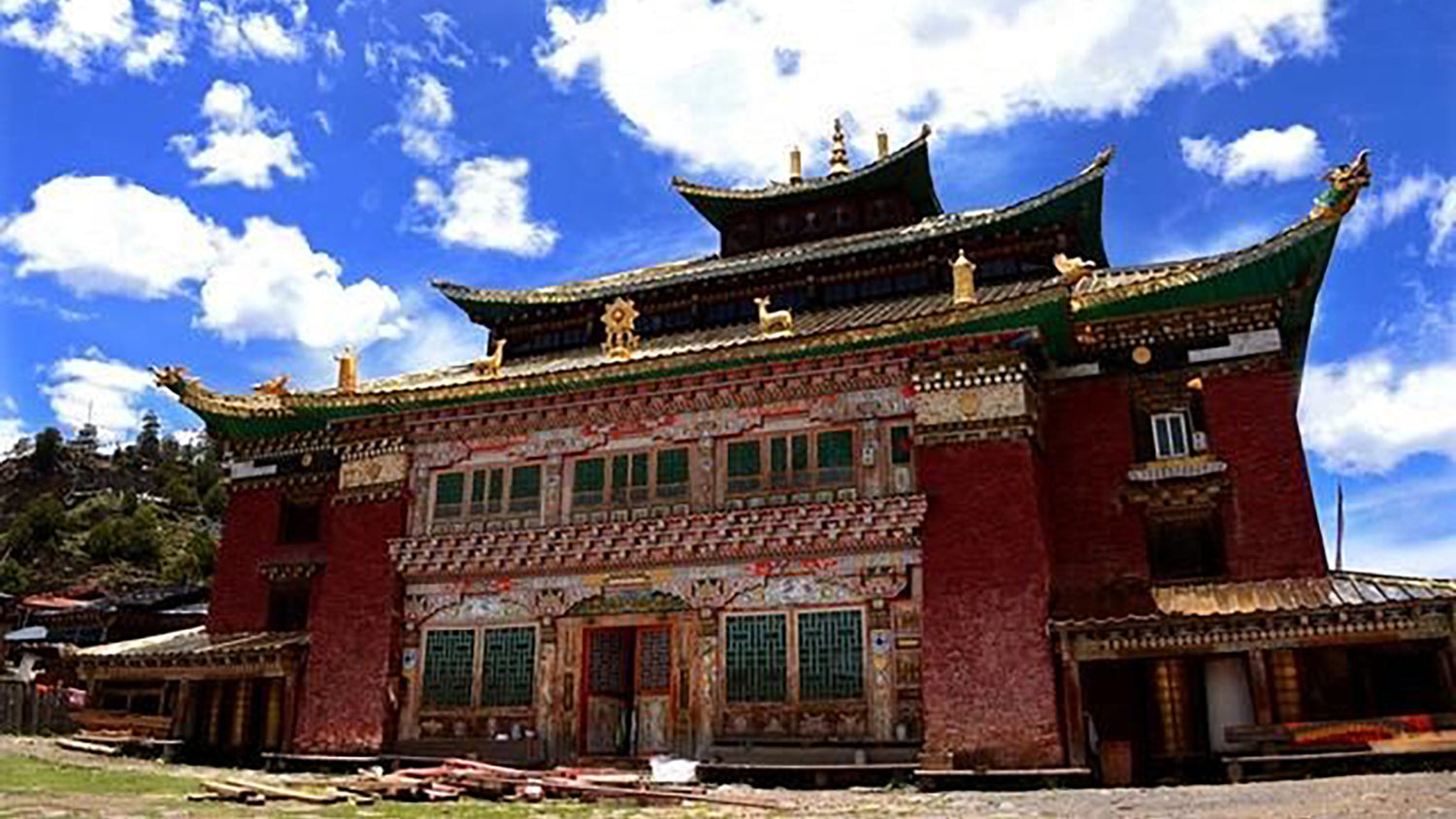
Beneath the vast skies of the Tibetan Plateau and deep within the hidden realms of the Hengduan Mountains, the wisdom flame of Tibetan Buddhism's oldest school—the Nyingma tradition (commonly known as the "Red School")—has burned for over a millennium. It not only preserves the most original teachings of esoteric Dharma but has also deeply rooted its faith and culture within its sacred temples. These monasteries are fortresses of spirit, treasure troves of culture, and serene pathways through time, connecting the ancient blessings of Guru Padmasambhava with the modern world.
Snowy Sacred Realms, Light of Wisdom: Exploring the Holy Sites of the Nyingma Lineage in Tibetan Buddhism
I. The Foundation of Sacred Sites: The Glorious Source in Tibet
The network of Nyingma holy sites is deeply rooted in the heartland of Tibet.
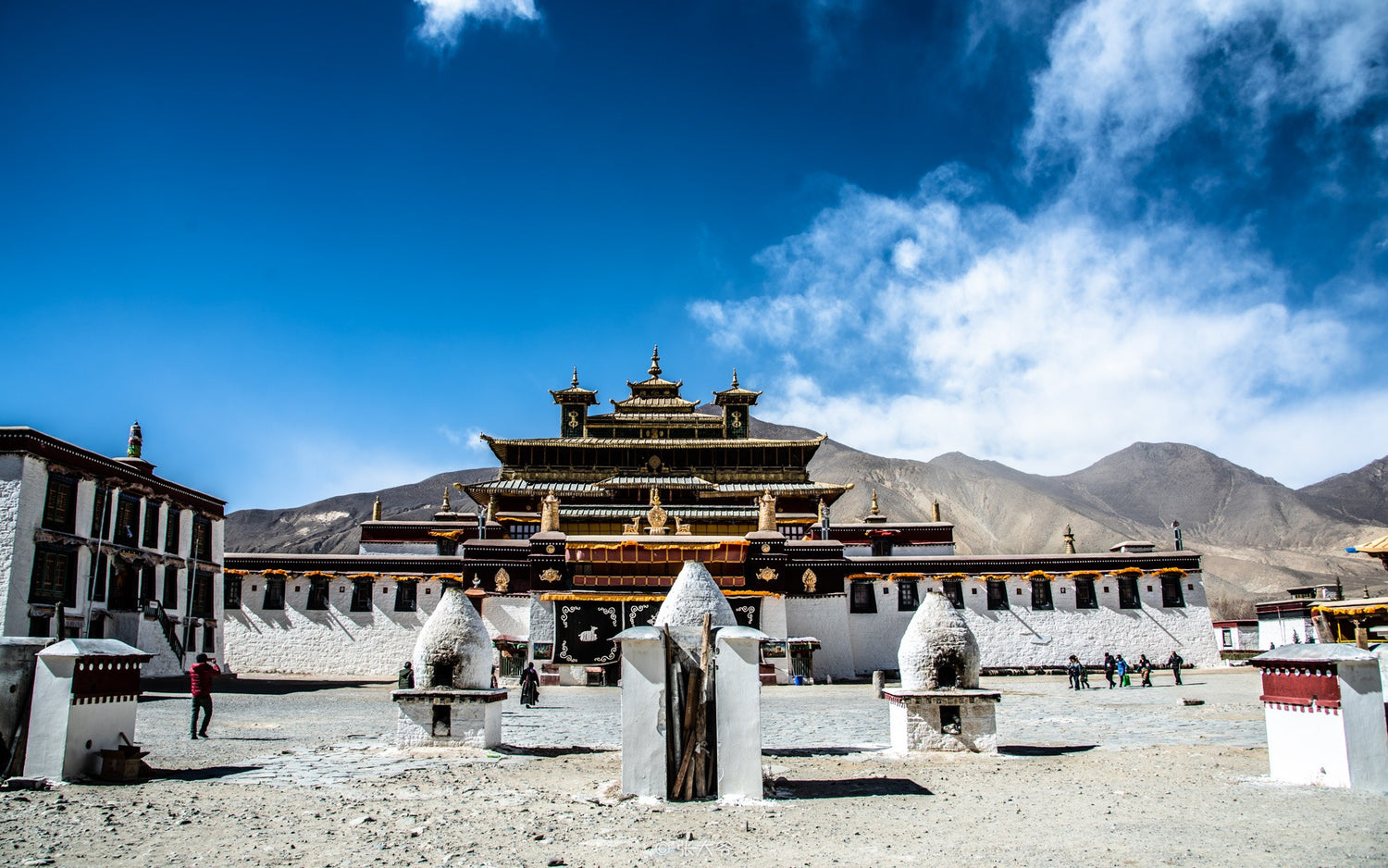
- Samye Monastery: The starting point of it all. As the first complete Buddhist monastery (with the Three Jewels of Buddha, Dharma, and Sangha) in Tibetan Buddhist history, founded by Guru Padmasambhava himself, its wondrous mandala-style architecture still speaks of the glory of the Dharma's early flourishing a thousand years ago. It remains an undying spiritual symbol in the hearts of all Nyingma followers.
- Mindrolling Monastery and Dorje Drak Monastery: Like twin stars, they respectively guard the two major "Southern" and "Northern" Treasure (Terma) transmission lineages of the Nyingma tradition. Mindrolling is not only a place of practice but also a "prestigious academy" of Tibetan culture, renowned for its exquisite Tibetan medicine, astrology, calligraphy, and famous incense-making. Dorje Drak Monastery, with its profound historical heritage and pure Dharma transmission, embodies the dignity of the Northern Treasure lineage.
II. The Heart of the Lineage: The Grand Seats of Kham
The Khampa regions of Sichuan, Qinghai, and Yunnan are the beating heart of the living Nyingma transmission, home to the ancestral monasteries and academic centers revered by followers worldwide.
- Kathok Monastery: Hailed as the "Second Vajrasana," it is the supreme ancestral temple in the hearts of global Nyingma devotees. Over its nearly 900-year history, countless masters attained realization here. Its unparalleled religious status and strict tradition of practice make it a beacon at the source of the lineage.
- Dzogchen Monastery: The "Hall of Academia" for the Nyingma school, enjoying the reputation of the "Second Nalanda University." Its vast monastic college system has nurtured a galaxy of scholars and accomplished masters, serving as the cradle for the modern revival and spread of the Nyingma teachings, representing the wisdom and profundity of the Dharma.
- Palyul Monastery: The main seat of the Palyul lineage, as famous as Kathok, showcases another majestic peak of Nyingma practice and transmission through its grand scale, exquisite religious art, and unique "Palyul Terma" teachings.
III. Modern Expansion: Beacons of Dharma Propagation Overseas
The winds of change in the 20th century carried the seeds of Nyingma wisdom across oceans, where they blossomed anew in foreign lands.
- Namdroling Monastery: The "Little Tibet" in South India is the largest and most active Nyingma monastic community and Buddhist college outside Tibet. Thousands of monks study and practice here, making it the absolute core for the global propagation, education, and cultural preservation of the contemporary Nyingma tradition, continuing the ancient lineage's vitality in a new era.
- Overseas Branches and Centers: Represented by places like Shechen Monastery in Nepal, established by masters such as Dilgo Khyentse Rinpoche, numerous overseas centers have become international spiritual waystations for Dharma seekers worldwide to connect with authentic lineages and engage in deep retreat.
IV. The Network's Fabric: Cultural Gems Across the Tibetan Cultural Sphere
From Dodrubchen Monastery in Golok, Qinghai (a stronghold of the Longchen Nyingthik heart-essence teachings), to Zhiqin Monastery in Diqing, Yunnan; from the Nyingma retreats scattered across the grasslands of Gansu to the countless branch monasteries and retreat centers along the Sichuan-Qinghai border—these widely scattered temples collectively weave the transmission network of the Nyingma tradition. They may vary in size, but each is a vital node guarding specific lineages, engaging in specialized practice, and serving local communities, allowing Nyingma teachings to reach every corner of the plateau like capillaries.
More Than Monasteries
Nyingma monasteries are far more than places of worship. They are:
- Living Cultural Museums: Transmitting ancient wisdom such as Tibetan medicine, astrology, thangka painting, and temple architecture.
- Timeless Universities of Practice: Operating complete educational systems integrating scripture teaching, debate, practice, and retreat.
- The Intelligent Soul of Community: The center of festivals, rituals, arts, and moral life, nourishing the spiritual essence of Tibetan civilization itself.
To embark on a journey to explore Nyingma monasteries is to engage in a profound dialogue that traverses a thousand-year lineage and touches the core of Tibetan culture. Here, every prayer hall echoes with ancient mantras, every mural holds deep philosophy, awaiting those with the connection to discover and contemplate.