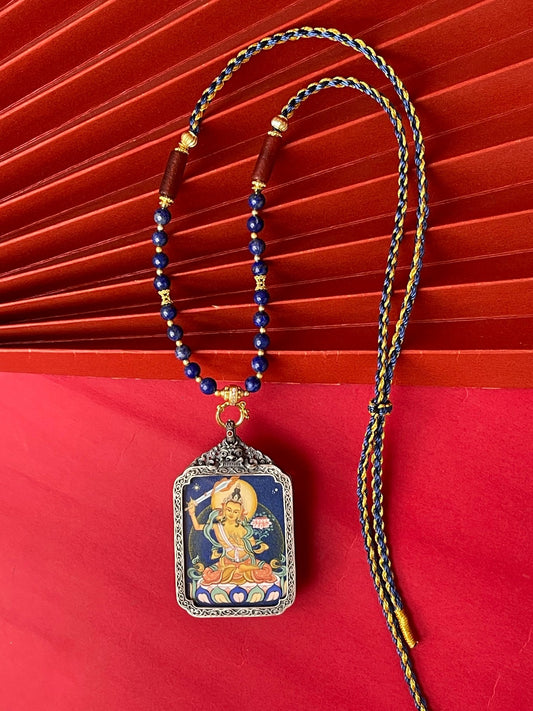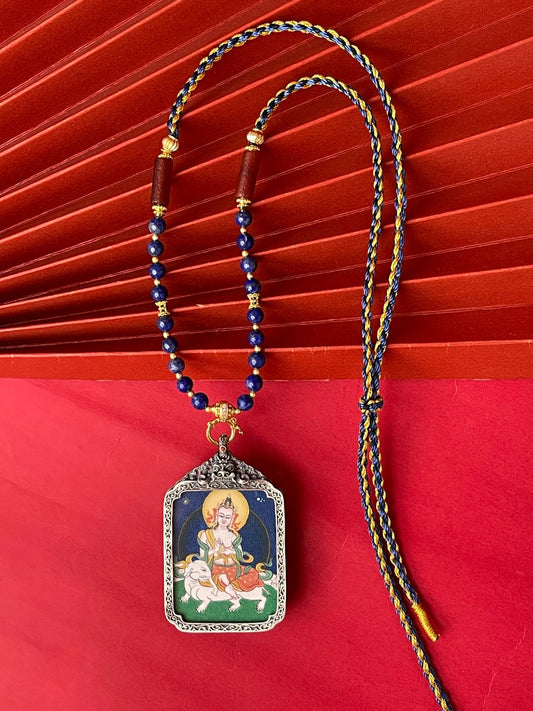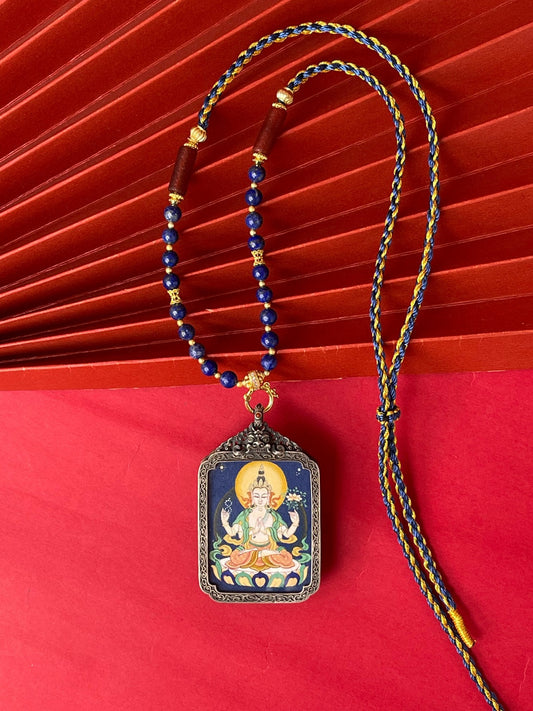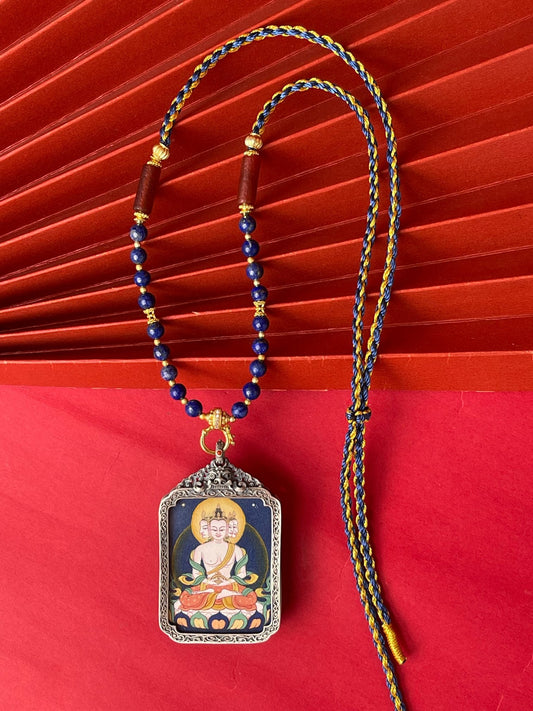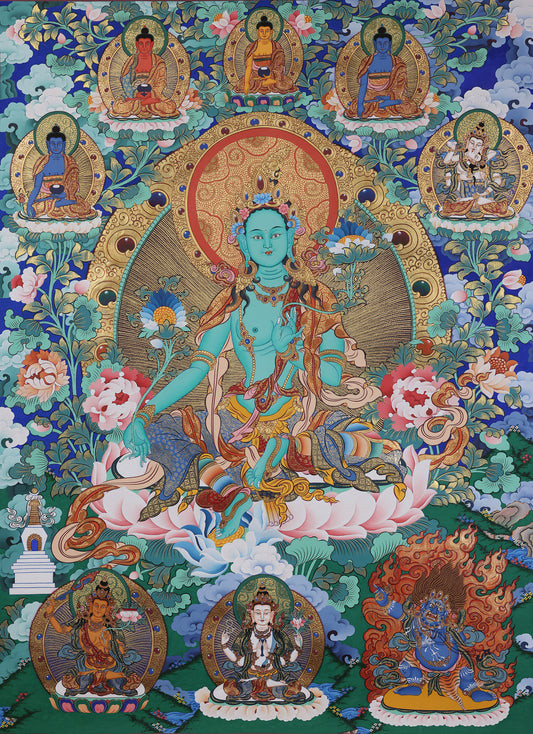
Tibet Dunhuang Mural Lotus-Holding Avalokiteshvara Thangka Pendant: The Bodhisattva of Compassion and Spiritual Fulfillment

Introduction: Why Wear a Lotus-Holding Avalokiteshvara Tibet Dunhuang Mural Thangka Pendant?
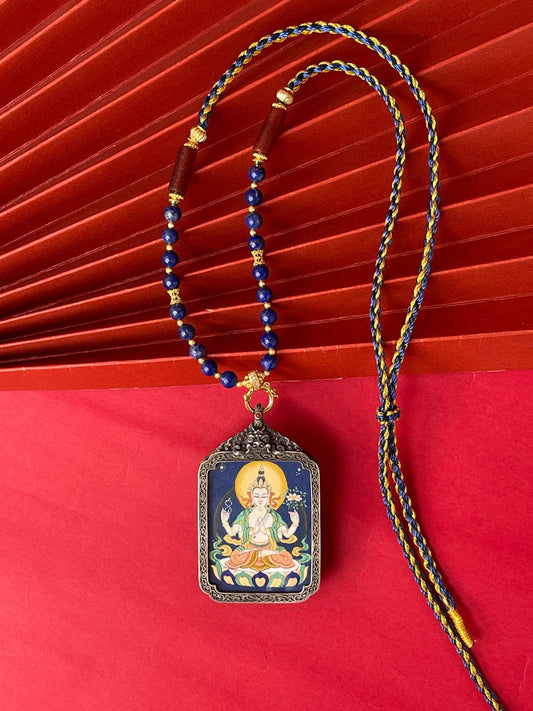
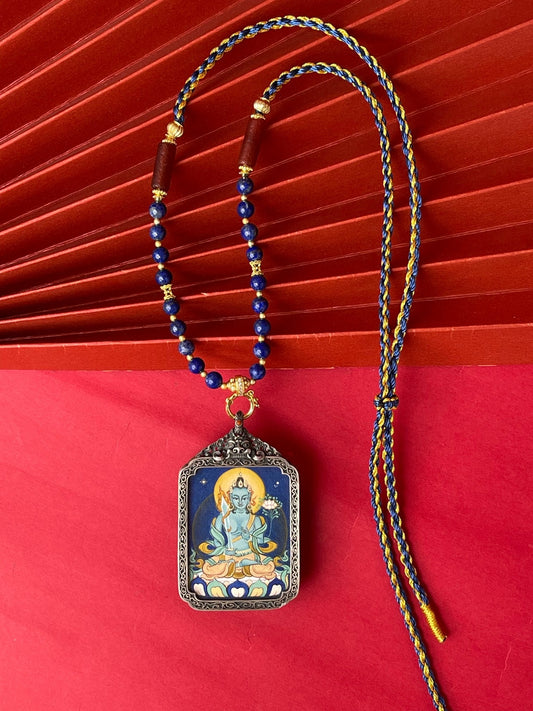
Lotus-Holding Avalokiteshvara (持花观音) conveys the beauty and bliss of the Eastern Pure Lapis World and supports spiritual fulfillment, confidence, and serenity. In Tibetan and East Asian Buddhist tradition, this form of the Bodhisattva of Compassion is especially associated with the promise of a pure realm where beings can awaken and flourish. A Tibet Dunhuang Mural Thangka pendant offers a portable connection to this energy, combining the elegance of Dunhuang-inspired composition with the durability of natural mineral pigments and a matte copper case. This article explains the deity, why the Dunhuang Mural style matters, what to look for in iconography and craftsmanship, and how to wear and care for your pendant so it can serve as a long-term support for practice and devotion.
Who Is Lotus-Holding Avalokiteshvara?
This form of Avalokiteshvara is depicted with lotus or flower, symbolising purity and awakening. In Buddhist iconography, the lotus rises unsullied from muddy water, representing the possibility of enlightenment within ordinary life. The composition is fresh and elegant; the Bodhisattva is lively and graceful, with a gentle expression that supports the practitioner's aspiration for health and spiritual abundance as ultimate goals. Lotus-Holding Avalokiteshvara is revered across traditions for his capacity to respond to the world with compassion and to point the way toward the Pure Land—a realm of bliss and fulfilment that practitioners seek to realise in mind and, in some traditions, in rebirth.
Why the Tibet Dunhuang Mural Style Matters
The Tibet Dunhuang Mural (敦煌壁画系列) style draws on the aesthetic legacy of the Dunhuang cave murals, which for centuries have combined Central Asian, Indian, and Chinese influences into a distinctive sacred art. In Thangka form, this style emphasises fresh composition, elegant linework, and lively deity portrayal rather than dense, heavily detailed backgrounds. The result is an image that reads clearly even at small size: on a 3.5x4.5cm pendant, the Lotus-Holding Avalokiteshvara remains recognisable and potent, with each element—lotus, robes, expression—contributing to a coherent whole. Collectors and practitioners value this clarity and the way the style bridges classical Buddhist art and wearable sacred objects.
Iconography: What to Look For
In authentic Dunhuang Mural Thangka iconography, the Lotus-Holding Avalokiteshvara is shown with lotus or flower, gentle expression, and refined proportions. The deity may be seated or standing, with one hand holding the lotus and the other in a gesture of blessing or reassurance. Look for clear mineral pigment work: fine lines, layered colour, and stability of the image. Correct lineage conventions include appropriate mudras, robes, and crown or headdress where applicable. Avoid pieces that appear flat, overly bright, or printed; hand-painted Thangkas show subtle variation and depth that mass production cannot achieve.
Craftsmanship: Natural Mineral Pigments and Matte Copper Casing
Natural mineral pigments with traditional binders are chemically stable and can last over a hundred years with proper care. They resist fading from light and do not crack or peel when the environment is stable. The pendant is mounted in matte copper alloy casing, which protects the painting from moisture, impact, and direct handling. The matte finish reduces glare and keeps the focus on the sacred image. When choosing a pendant, confirm that the painting is hand-painted on suitable support (e.g. cotton or silk) and that the casing is well-fitted and durable. Such craftsmanship ensures that your Thangka can be passed down or used for decades of practice.
How to Wear and Care for Your Lotus-Holding Avalokiteshvara Thangka Pendant
A Lotus-Holding Avalokiteshvara Tibet Dunhuang Mural Thangka pendant is suitable for daily wear. Avoid wearing it in the shower, swimming pool, or sea, as prolonged exposure to moisture can damage the painting and the casing. When not worn, keep it in a soft pouch or a clean, dry place, away from direct sunlight and extreme humidity. Gentle wiping with a dry, soft cloth is sufficient for the casing; do not immerse the pendant or use chemicals. With basic care, your pendant will remain a lasting support for compassion and spiritual fulfilment.
A Tibet Dunhuang Mural Lotus-Holding Avalokiteshvara Thangka pendant is both a symbol of compassion and spiritual fulfillment and a durable sacred object when made with natural mineral pigments and proper casing. Choose a pendant that reflects solid craftsmanship and authentic materials, and it will serve as a faithful companion for practice, devotion, and the aspiration for health and abundance in accord with the Dharma.
#LotusHoldingAvalokiteshvara #Avalokiteshvara #TibetDunhuangMural #TibetanThangka #Compassion #BuddhistArt #MineralPigment
Schlagwörter:
Vorherige
Tibet Yamantaka (Vajrabhairava) Thangka Pendant: The Conqueror of Death – Wrathful Wisdom and Supreme Accomplishment
Nächste
Tibet Dunhuang Mural Lotus-Holding Avalokiteshvara Thangka Pendant: The Bodhisattva of Compassion and Spiritual Fulfillment