
Why the Medicine Buddha?
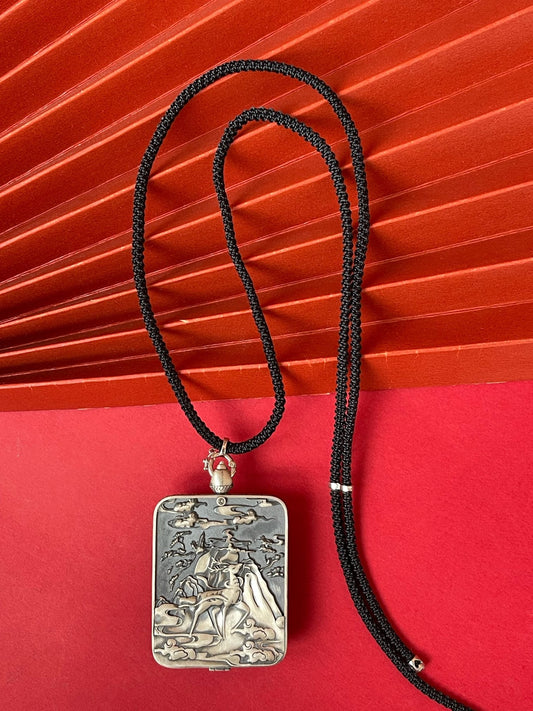
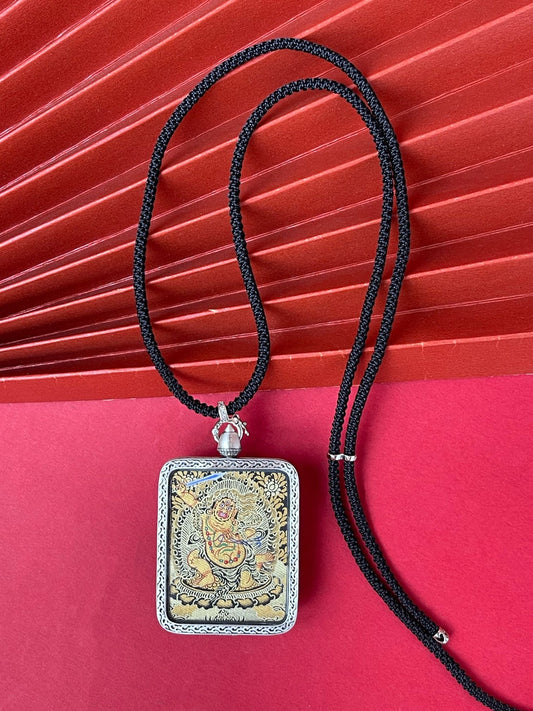
In Tibetan Buddhism, Bhaisajyaguru—the Medicine Buddha—is revered as the Buddha who heals physical and mental suffering. His name means “Master of Medicine”; he presides over the Eastern Pure Land and is invoked for healing from illness, protection from disease, longevity, and the purification of karma that causes suffering. A Thangka pendant of the Medicine Buddha brings his blessing into daily life and can serve as a support for healing and well-being. This article explains his role, his image in Thangka art, materials and care, and how to wear the pendant.
The Medicine Buddha in Tibetan Buddhism
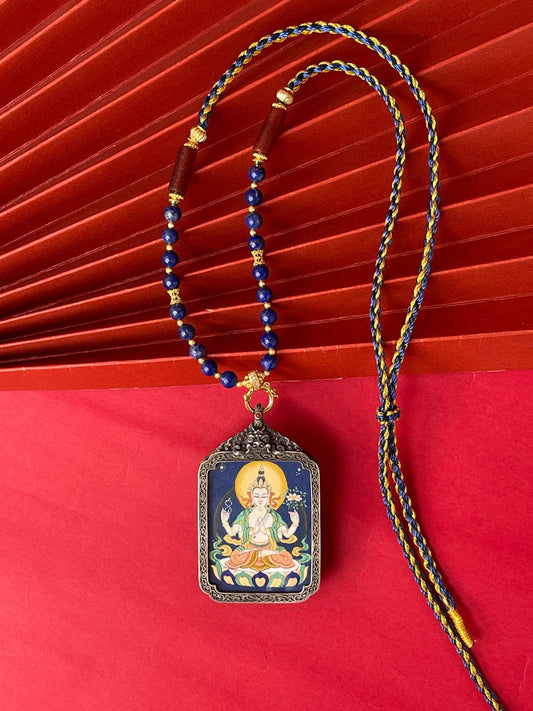
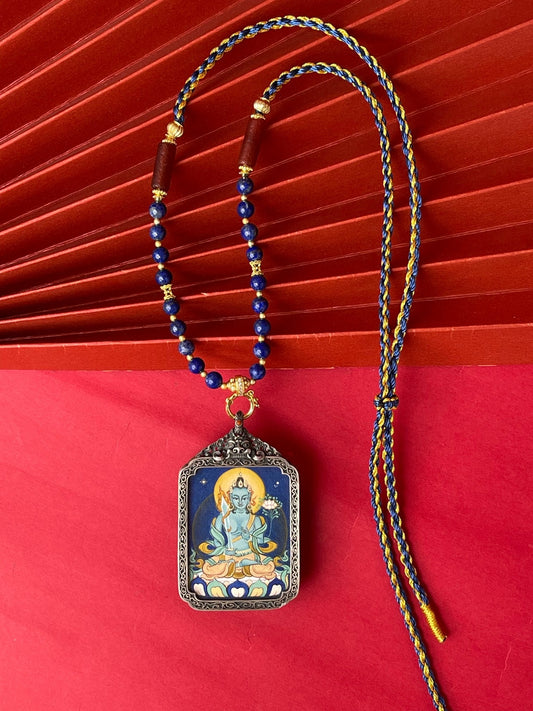
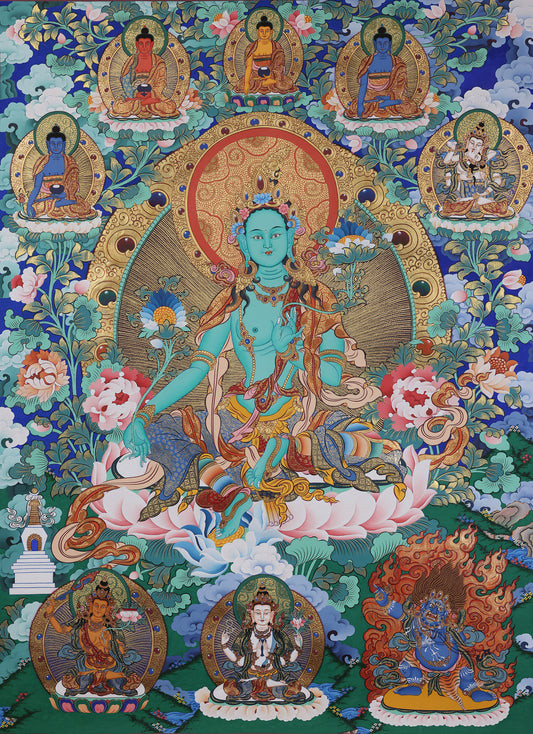
The Medicine Buddha is often depicted with a lapis-blue body (symbolizing the healing power of the Dharma), holding a begging bowl filled with healing nectar in his left hand and his right hand in the gesture of granting blessings. His serene, compassionate presence is a reminder that healing encompasses both body and mind. Practitioners recite his mantra and make offerings to create conditions for health, longevity, and the purification of negative karma. A pendant bearing his image can support that intention throughout the day.
The Image: What to Look For in a Medicine Buddha Pendant
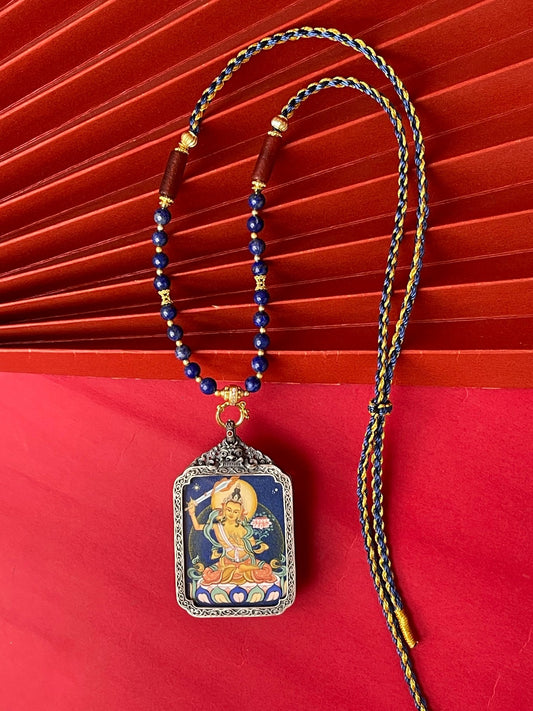
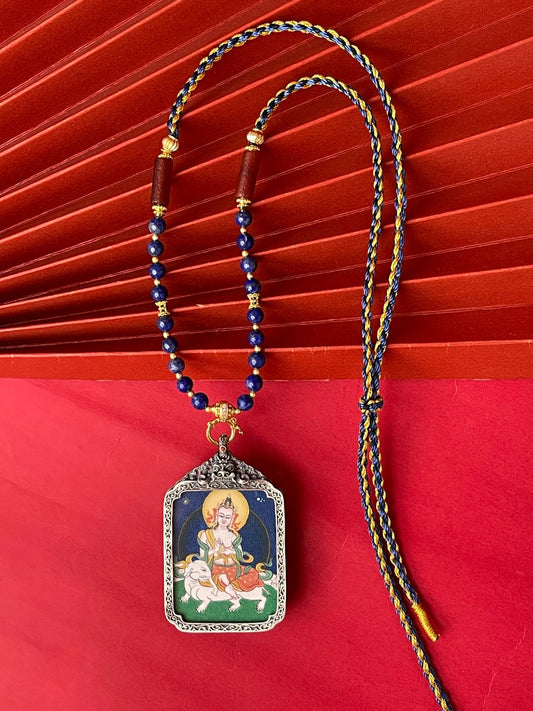
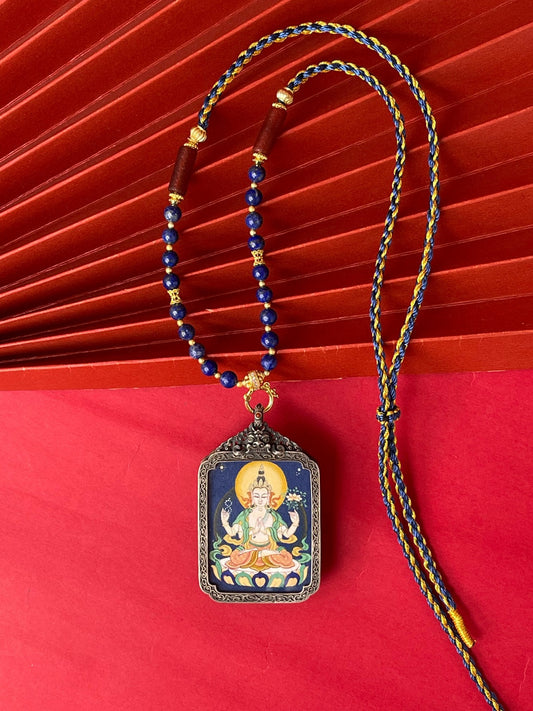
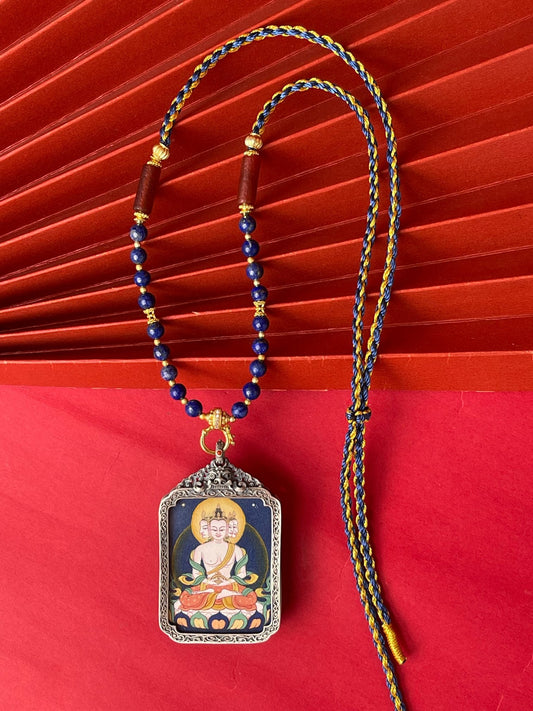
In traditional Thangka art, the Medicine Buddha should be clearly recognizable: lapis-blue body, begging bowl, gesture of blessing, and serene expression. When painted on a small pendant, the artist must keep proportions and iconography correct. A good pendant should convey calm and compassion—the essence of the healing Buddha. When choosing one, check the color of the body, the clarity of the bowl and hand gesture, and the overall balance of the composition.
Mineral Pigments and 925 Silver
Authentic Tibetan Thangkas use natural mineral pigments (lapis lazuli, malachite, cinnabar, gold) mixed with traditional binders. These pigments are chemically stable and can last over a hundred years with proper care, so the blessing and the artwork can endure. The pendant is typically mounted in 925 sterling silver, which protects the painting from moisture and impact. When buying a Medicine Buddha pendant, ask whether mineral pigments were used and which lineage the painter follows; this helps you assess both quality and authenticity.
Wearing and Caring for Your Medicine Buddha Pendant
A Medicine Buddha Thangka pendant is suitable for daily wear—at work, while traveling, or during meditation—as a support for healing and longevity. You can combine wearing it with reciting the Medicine Buddha mantra if you have received it. Avoid wearing it in the shower, while swimming, or during heavy exercise. When not worn, keep it in a clean place or a soft pouch. The pendant is a reminder that healing is possible and that the Buddha’s compassion extends to all who seek relief from suffering.
Conclusion
A Medicine Buddha Thangka pendant is both a piece of Tibetan Buddhist art and a support for healing and longevity. From his role and iconography to mineral pigments and silver framing, each aspect affects its spiritual value and its longevity. If you are looking for a wearable sacred object connected to healing and well-being, start by understanding the Medicine Buddha and his mantra, then choose a pendant that matches your intention and your standards for craftsmanship.
#MedicineBuddha #Bhaisajyaguru #TibetanThangka #HealingBuddha #925Silver #BuddhistArt #HealingAmulet #SacredJewelry #TibetanBuddhism #ThangkaPendant
Schlagwörter:
Vorherige
Palden Lhamo Thangka Pendant: The Fierce Protector Goddess of Wealth and Fortune
Nächste
Six-Armed Mahakala Thangka Pendant: The Great Protector and Remover of Obstacles