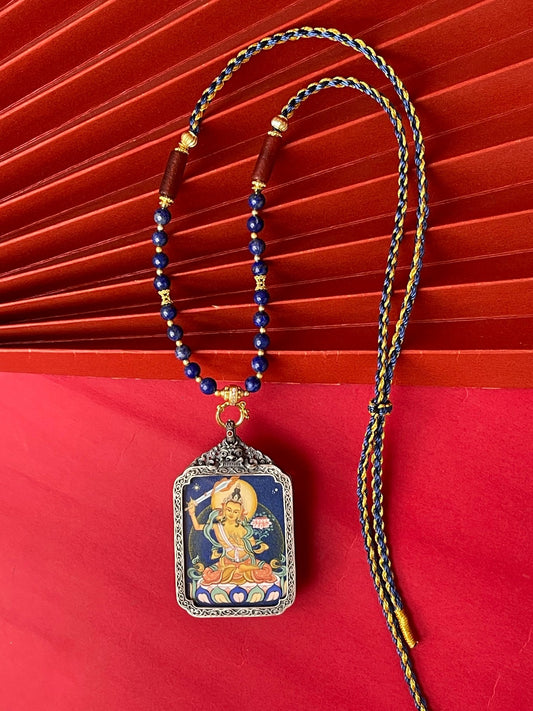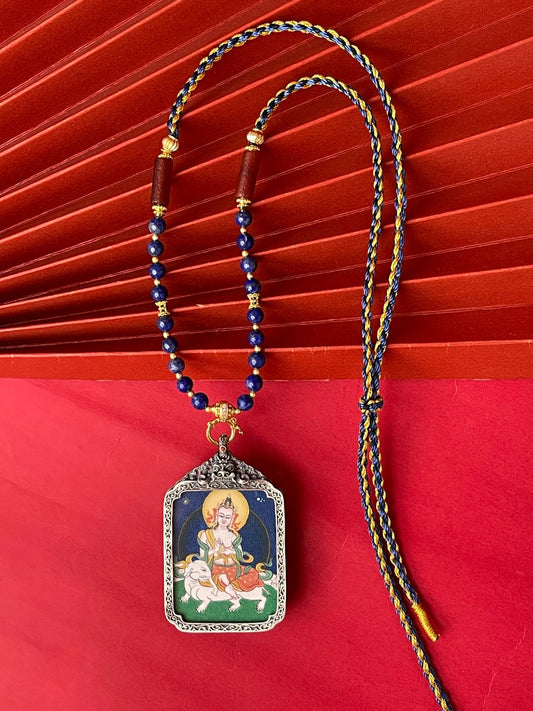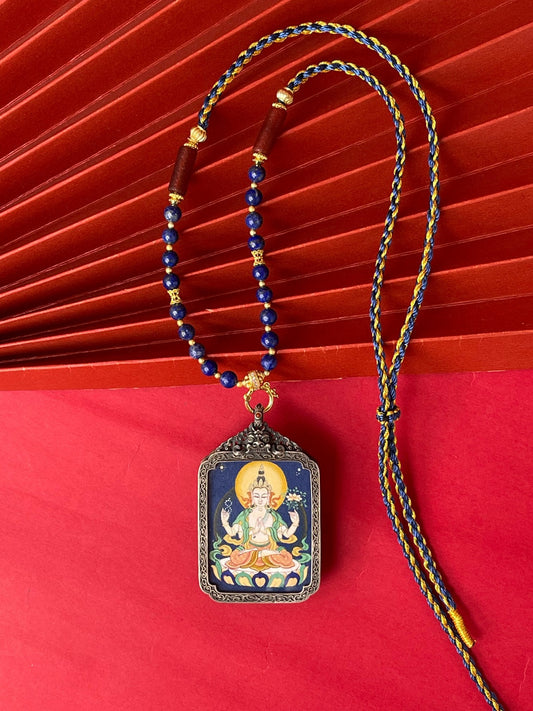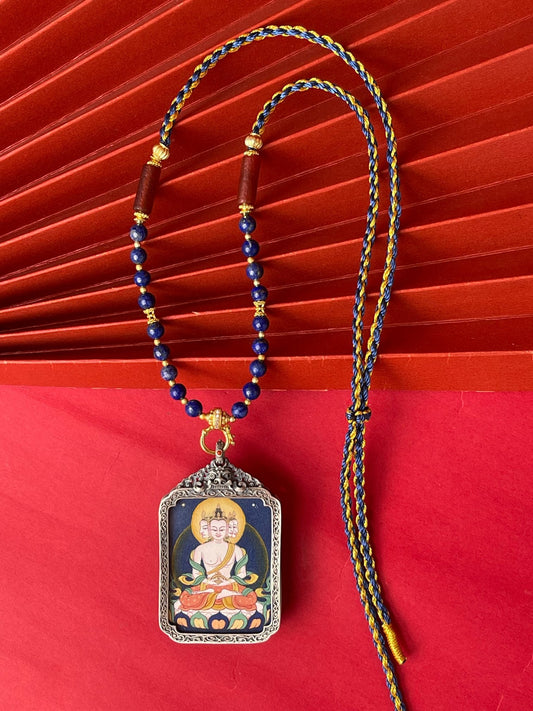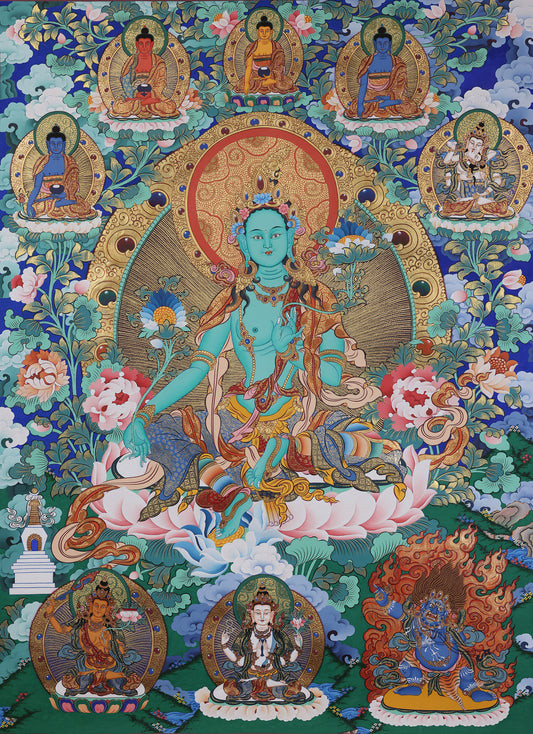
Guhyasamaja Thangka Pendant: A 4*5cm Collectible Gem from Qinghai with Natural Mineral Pigments

Meta Description: Discover the 4*5cm collectible Guhyasamaja Thangka pendant from Qinghai, crafted with natural mineral pigments and Dunhuang Nine-Color Deer silver frame. Explore its Tibetan Buddhist significance, craftsmanship, and collectible value.
Tibetan Buddhist thangka art has been a revered form of spiritual expression and cultural heritage for centuries, blending intricate craftsmanship with profound religious symbolism. Among the countless thangka creations, portable pendants stand out as intimate spiritual companions, allowing practitioners and collectors to carry the essence of Buddhist teachings wherever they go. Today, we delve into a remarkable piece—the 4*5cm collectible Guhyasamaja Thangka pendant from Qinghai—uncovering its cultural roots, artistic craftsmanship, and why it has become a prized item for both spiritual seekers and art enthusiasts.
Unveiling the Core of the Pendant: Product Specifications
Before exploring the cultural and artistic layers, let’s first get to know the key details that define this exceptional thangka pendant:
-
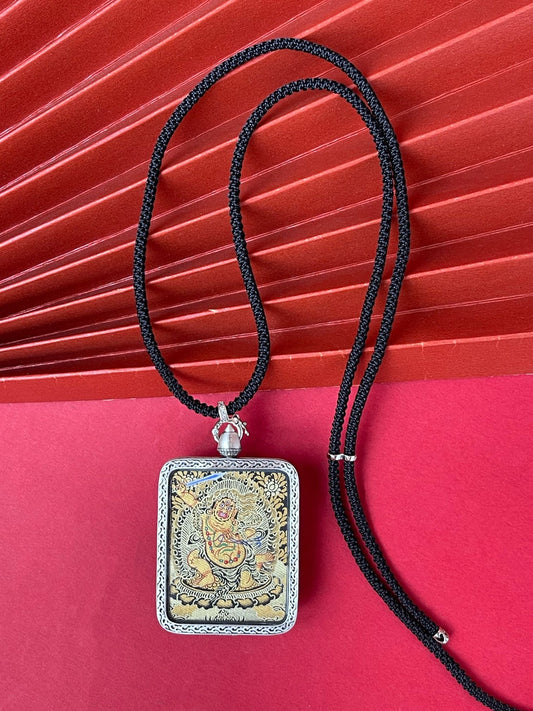
Main Deity: Guhyasamaja Vajra, one of the three principal yidams of the Gelug school in Tibetan Buddhism.
-
Origin: Qinghai, China—a core region for authentic Tibetan Buddhist art with a rich tradition of thangka painting.
-
Size: 4*5cm, a compact dimension that balances portability with intricate detailing, ideal for daily wear or altar display.
-
Pigments: Natural mineral pigments, sourced from precious ores and hand-ground to preserve the thangka’s vibrancy for centuries.
-
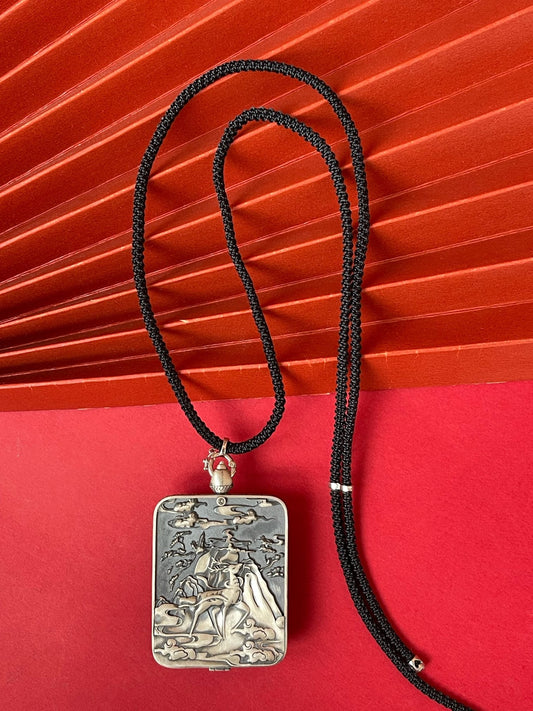
Frame: Dunhuang Nine-Color Deer silver frame, combining protective functionality with cultural symbolism.
-
Grade: Collectible grade, crafted by senior artists adhering to traditional iconometric standards.
Guhyasamaja Vajra: The Spiritual Heart of the Thangka
At the center of this pendant lies Guhyasamaja Vajra, a deity deeply revered in Vajrayana Buddhism for embodying the non-dual union of compassion and wisdom. Contrary to misinterpretations, the yab-yum (father-mother) form of Guhyasamaja is not a representation of worldly desire, but a philosophical metaphor for the integration of “skillful means” (compassionate action) and “wisdom” (understanding of emptiness).
The main deity’s blue body symbolizes the emptiness of dharmata—the true nature of all phenomena—while his six arms each hold ritual implements with specific meanings: the vajra (symbolizing indestructible wisdom), the bell (representing compassion), and other tools that signify the subjugation of ignorance and afflictions. For practitioners, wearing a Guhyasamaja Thangka pendant is a way to align with these teachings, seeking to cultivate both compassion and wisdom in daily life, and祈愿 for spiritual progress toward enlightenment.
This pendant’s depiction of Guhyasamaja is not a casual artistic interpretation; it follows the strict iconometric measurements outlined in Tibetan Buddhist scriptures known as the “Three Sutras and One Commentary.” Every detail, from the deity’s facial expression to the positioning of his arms, is rendered with precision, ensuring authenticity and spiritual significance.
Qinghai: The Cradle of Authentic Thangka Craftsmanship
The origin of a thangka is a key factor in its value, and Qinghai’s reputation as a hub of Tibetan Buddhist art is unmatched. This region, located on the Tibetan Plateau, has been a melting pot of Tibetan, Han, and Mongolian cultural influences, shaping a unique thangka style that balances tradition with local artistry.
The pendant is crafted by senior artists from the Regong region of Qinghai, an area renowned for its centuries-old thangka tradition. Regong thangka is recognized by UNESCO as an intangible cultural heritage, and artists here undergo years of rigorous training to master the craft—from grinding pigments to painting deities. Unlike mass-produced thangkas, each piece from this region is a labor of devotion, with every brushstroke carrying the artist’s respect for Buddhist teachings.
The 4*5cm size of this pendant is particularly notable in Qinghai’s thangka tradition. Creating intricate deity depictions on such a small canvas requires exceptional skill; artists must compress complex iconography without losing detail, making each small pendant a testament to their mastery. This scarcity of well-crafted small thangkas elevates the collectible value of this piece.
Natural Mineral Pigments: Preserving Color and Spirit for Millennia
One of the most distinctive features of this thangka pendant is its use of natural mineral pigments—a tradition that dates back to the earliest thangka creations. Unlike synthetic pigments that fade over time, natural mineral pigments offer unparalleled color stability and depth, ensuring the pendant retains its beauty for generations.
The pigments used here are sourced from precious ores: lapis lazuli for the deity’s blue body, malachite for vibrant greens, cinnabar for rich reds, and gold leaf for subtle highlights. Each ore is hand-ground into a fine powder, mixed with natural binders like animal glue, and applied in thin layers to the thangka’s cotton base. This labor-intensive process not only creates colors with a crystalline luster but also infuses the thangka with a “spiritual weight”—the pigments’ connection to the earth aligns with Tibetan Buddhism’s reverence for nature.
For collectors, the use of natural mineral pigments is a mark of quality. Synthetic pigments may be cheaper and easier to use, but they lack the depth and longevity of mineral pigments. A thangka painted with natural pigments will not only maintain its color but also develop a subtle patina over time, enhancing its antique charm and value.
Dunhuang Nine-Color Deer Silver Frame: Merging Protection and Symbolism
The pendant’s Dunhuang Nine-Color Deer silver frame is more than just a protective casing—it’s a cultural complement to the thangka inside. The Nine-Color Deer is a beloved figure from Dunhuang murals, a symbol of kindness, justice, and divine blessing. Its story, recorded in Buddhist sutras, tells of a deer that saves a drowning man, only to be betrayed; yet, the deer’s compassion and integrity ultimately lead to its divine protection.
The silver frame is crafted with openwork carving, replicating the graceful lines of the Nine-Color Deer as depicted in Dunhuang art. A matte antique finish gives the frame a retro aesthetic that harmonizes with the traditional thangka, while the sealed structure protects the delicate mineral pigment painting from moisture, dust, and wear. This combination of functionality and symbolism elevates the pendant from a spiritual artifact to a holistic cultural piece—where the frame’s message of kindness resonates with Guhyasamaja’s compassion.
Silver is also a significant material in Tibetan Buddhist art, believed to purify negative energies and enhance spiritual connection. The use of silver for the frame adds another layer of spiritual meaning, making the pendant a more powerful tool for practitioners.
Why This 4*5cm Pendant Is a Collectible Treasure
In the world of Tibetan Buddhist art collecting, not all thangkas are created equal. This pendant stands out as a collectible-grade piece for several key reasons:
First, its authenticity: crafted in Qinghai by senior Regong artists, adhering to traditional iconometry and using natural mineral pigments, it represents the highest standard of thangka craftsmanship. Second, its scarcity: small-scale thangkas with intricate details are far less common than larger pieces, as they require more precision and time to create. Annual production of such pendants is limited to fewer than 100 pieces, making them highly sought after by collectors.
Third, its versatility: the 4*5cm size makes it ideal for daily wear as a necklace or ornament, while its collectible quality also makes it suitable for display on a home altar or in a private art collection. Finally, its long-term value potential: natural materials, authentic craftsmanship, and cultural significance ensure that this pendant will retain or increase in value over time, making it a wise investment for art and spiritual collectors alike.
How to Care for Your Guhyasamaja Thangka Pendant
To preserve the beauty and value of your collectible thangka pendant, proper care is essential. Avoid exposing it to direct sunlight for extended periods, as this can fade even natural mineral pigments. Keep it away from moisture—remove it before bathing or swimming, and store it in a dry, cool place when not in use. The silver frame can be polished gently with a soft cloth to maintain its luster, but avoid using harsh chemicals that may damage the thangka inside.
For practitioners, wearing the pendant with reverence is also important. Treat it as a spiritual companion, and avoid placing it in impure locations. Regularly cleaning the pendant with a soft brush to remove dust will help preserve its details for years to come.
The 4*5cm collectible Guhyasamaja Thangka pendant from Qinghai is more than just a piece of jewelry or art—it’s a bridge between spiritual practice and cultural heritage. From its authentic Qinghai craftsmanship and natural mineral pigments to its profound Guhyasamaja symbolism and Dunhuang Nine-Color Deer frame, every element tells a story of tradition, devotion, and beauty. Whether you’re a Tibetan Buddhist practitioner seeking a spiritual companion or an art collector looking for a rare treasure, this pendant is a timeless piece that will bring meaning and value for generations.
#ThangkaPendant #GuhyasamajaVajra #QinghaiThangka #NaturalMineralPigment #DunhuangNineColorDeer #CollectibleThangka #TibetanBuddhistArt #SpiritualJewelry
Schlagwörter:
Vorherige
4×5cm Qinghai Vajrakīlaya (Phurba) Thangka Pendant: Shatter Obstacles to Awaken Your Inner Strength
Nächste
Black Jambhala Thangka Pendant: 4x5cm Museum-Grade Wealth Amulet with Natural Mineral Pigments & 925 Silver Nine-Colored Deer Gau Box