The Meaning Behind Your Manjushri Thangka Pendant: A Nepalese Treasure of Tibetan Buddhist Wisdom

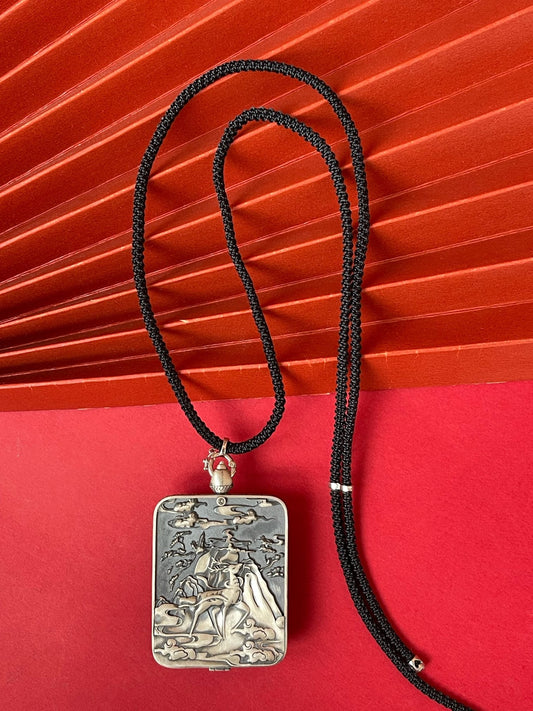
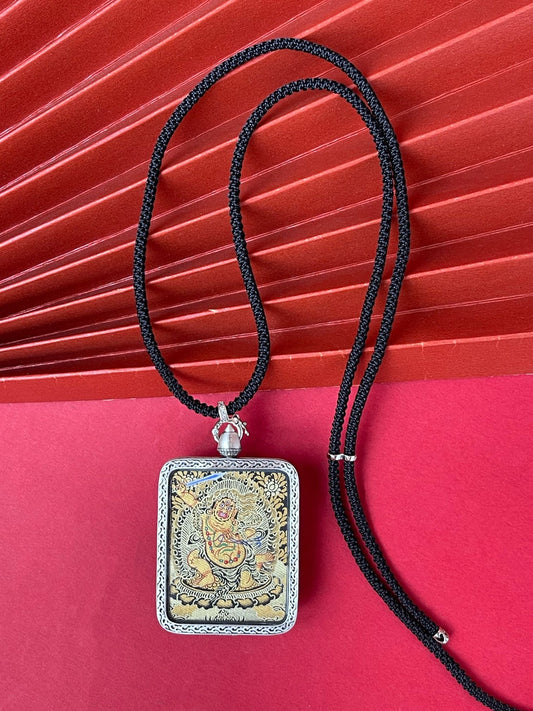
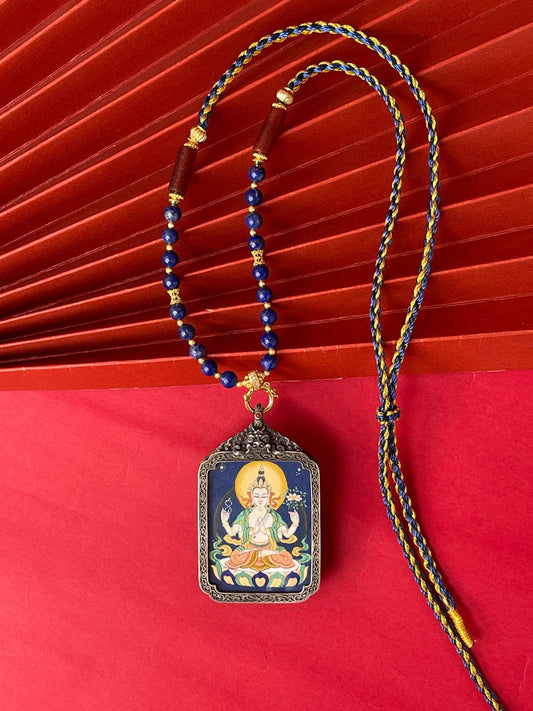
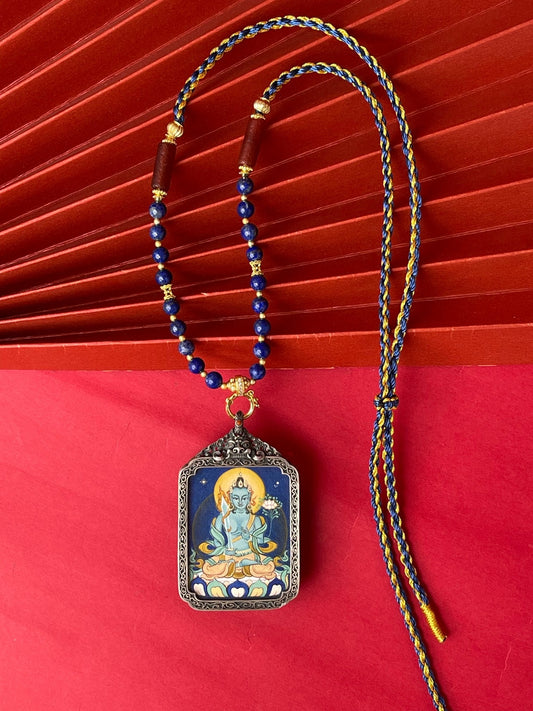
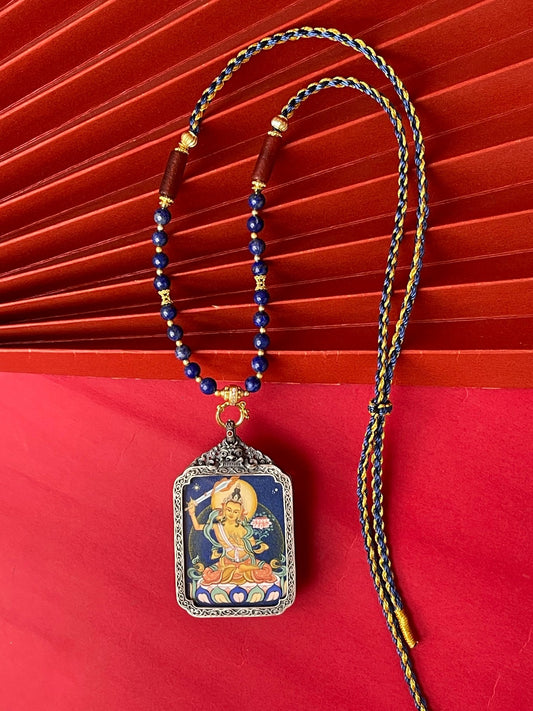
When you hold a Manjushri Bodhisattva thangka pendant—handcrafted in Nepal’s Bhaktapur Valley, sealed in a titanium steel gau case—you’re not just wearing jewelry. You’re carrying a 1,200-year-old tradition of spiritual art, a symbol of Tibetan Buddhism’s most revered wisdom-bearer, and a daily reminder of clarity in a chaotic world.
What Is a Manjushri Thangka Pendant? (And Why It Matters)
Let’s start with the basics: This 3.5×4.5cm portable shrine (called a gau in Tibetan) features Manjushri—the Bodhisattva of Wisdom, one of Tibetan Buddhism’s Three Great Bodhisattvas. But it’s far more than a "decorative" piece:
-
Product Specs (For the Curious):
- Deity: Manjushri (Jampalyang in Tibetan)
- Origin: Nepal (Bhaktapur Newari Artisan Craft)
- Size: 3.5cm × 4.5cm (traditional gau dimensions)
- Protection: Titanium steel case (rust-resistant, airtight seal)
For Tibetan Buddhists, a gau isn’t just an accessory—it’s a portable altar. Wearing it keeps Manjushri’s wisdom close, whether you’re studying for an exam, navigating a tough decision, or meditating on the nature of delusion.
The Symbolism: Manjushri’s "Sword of Wisdom" and What It Means for You
Every detail of Manjushri’s iconography in this pendant is intentional (thanks to Newari artisans’ strict adherence to Iconometric Texts):
- The Flaming Sword (Right Hand): This isn’t a weapon—it’s the Sword of Wisdom. It cuts through avidya (ignorance) and the conceptual attachments that cloud our judgment (think: overthinking, self-doubt, or rigid beliefs).
- The Book (Left Hand): Resting on a lotus (symbol of purity), the book represents Buddhist scriptures—but it’s not just "holy text." It’s a reminder that wisdom isn’t abstract: it’s the ability to apply teachings to daily life.
- The Blue Aura: Made from lapis lazuli pigment (a precious Himalayan mineral), this hue symbolizes mental clarity—the kind of focus that lets you see through chaos to what matters.
For anyone feeling stuck (in work, study, or life), Manjushri’s symbolism hits differently: His sword isn’t about "winning"—it’s about freeing yourself from the thoughts that hold you back.
The Art of It: Why Nepalese Newari Thangkas Are Irreplaceable
Nepal’s Bhaktapur Valley is the birthplace of Himalayan thangka art (a UNESCO intangible heritage), and Newari artisans are the guardians of this craft. Here’s why their work matters for your pendant:
- 10+ Years of Training: Newari artisans don’t just "paint"—they study Buddhist scripture first. They learn to render Manjushri’s gaze (sharp, but not harsh) or the sword’s flame (dynamic, but not violent) because every line carries spiritual meaning.
- Natural Pigments (No Synthetics): The blue aura? Lapis lazuli powder. The gold scrollwork? Burnished gold leaf (polished with agate stones). These materials don’t fade—your pendant’s wisdom will look as vibrant in 20 years as it does today.
- Iconometric Precision: The sword’s angle, the book’s placement, even the spacing of Manjushri’s crown jewels—all follow ancient texts. A mass-produced "Manjushri pendant" might look similar, but it lacks the intent that makes a Newari thangka a sacred object.
The Titanium Steel Gau: Tradition Meets Modern Life
Traditional gau cases (wooden or copper) are beautiful—but they scratch, tarnish, or warp easily. The titanium steel case solves that:
- Daily Wear-Friendly: Rust-resistant, scratch-proof, and airtight—you can wear this pendant to work, the gym, or travel without worrying about damaging the thangka.
- Cultural Respect: The case’s engraved Wheel of Dharma border (one of the Eight Auspicious Symbols) isn’t just "decoration"—it’s a nod to Manjushri’s role as a bearer of Buddhist teachings.
- Portable Altar Energy: Even with modern materials, the gau still acts as a sacred container. Many wearers have their pendant blessed by a Tibetan monk (a lung ceremony) to turn it into a personal wisdom amulet.
Who This Pendant Is For (Spoiler: It’s Not Just "Buddhists")
You don’t need to be a practicing Buddhist to connect with this pendant:
- Students/Scholars: Manjushri is the patron of learning—wear it during exams or study sessions for clarity.
- Professionals: If your job demands critical thinking (writing, design, leadership), his sword symbolizes cutting through noise to find solutions.
- Spiritual Seekers: Whether you meditate or just want a daily reminder to "think clearly," Manjushri’s wisdom is universal.
In Himalayan culture, these pendants are given as gifts for birthdays, graduations, or new jobs—because wisdom is the best gift you can give (or receive).
Why This Pendant Beats "Spiritual Jewelry"
Let’s be real: There’s no shortage of "Buddha pendants" online. But this one is different:
- It’s Canonical: This isn’t a "stylized" Manjushri—it’s the Manjushri Tibetan Buddhists have venerated for centuries.
- It’s Durable: The titanium case means you can carry it every day (not just "save it for special occasions").
- It’s Meaningful: Every line, color, and symbol tells a story about freedom from ignorance. It’s not just an accessory—it’s a conversation starter (and a reminder to be wiser, every day).
At the end of the day, a Manjushri thangka pendant isn’t about "spirituality" as a trend. It’s about carrying a little piece of wisdom with you—whether you’re scrolling your phone, sitting in a meeting, or meditating. It’s a reminder that clarity isn’t something you "find"—it’s something you cultivate (with a little help from the Bodhisattva of Wisdom).
#ManjushriThangka #NepaleseHandmadeGau #BodhisattvaOfWisdom #TibetanBuddhistArt #WisdomAmulet
Tags:
Previous
Samantabhadra Thangka Pendant: Nepal Newari Handcrafted Titanium Steel Gau Amulet
Next
What Is an Akashagarbha Thangka Pendant? The Nepalese Treasure of Spiritual Wealth