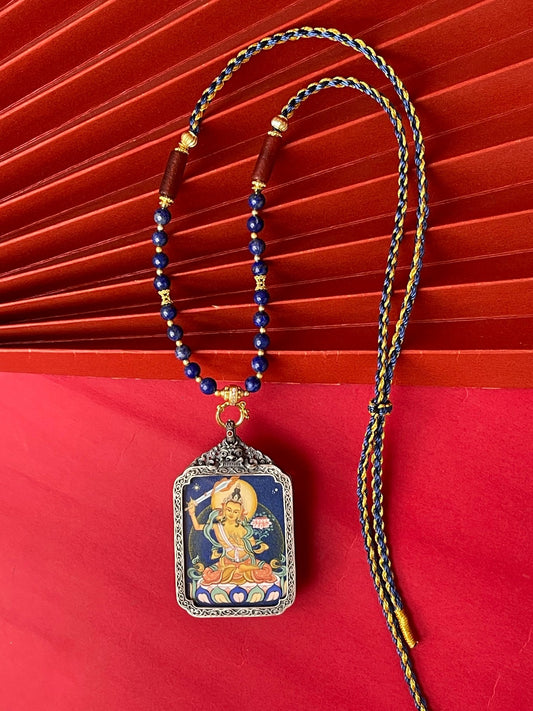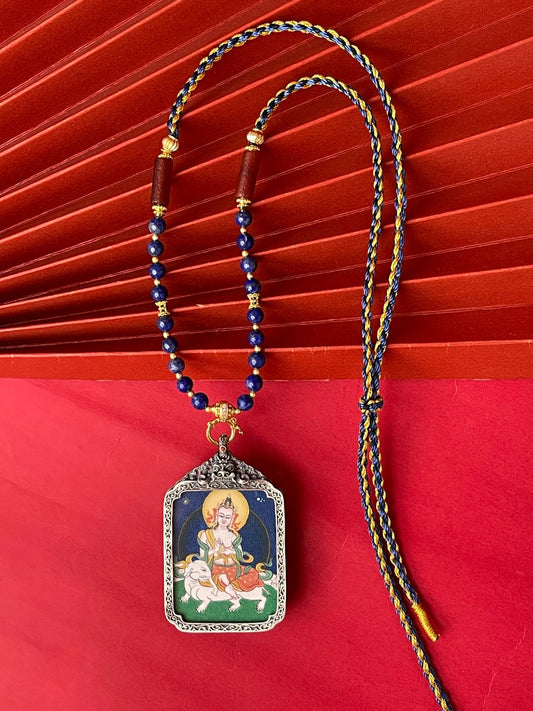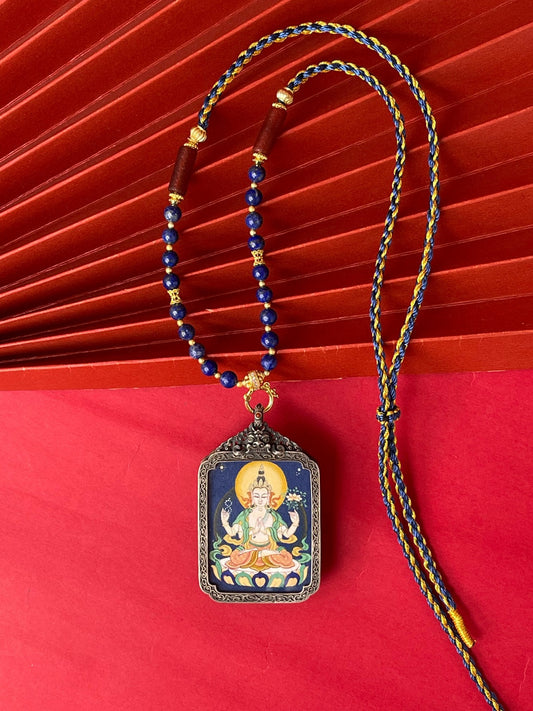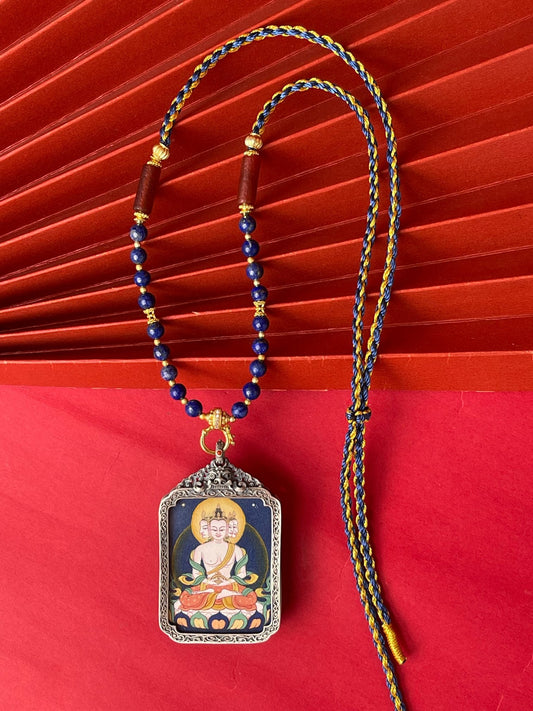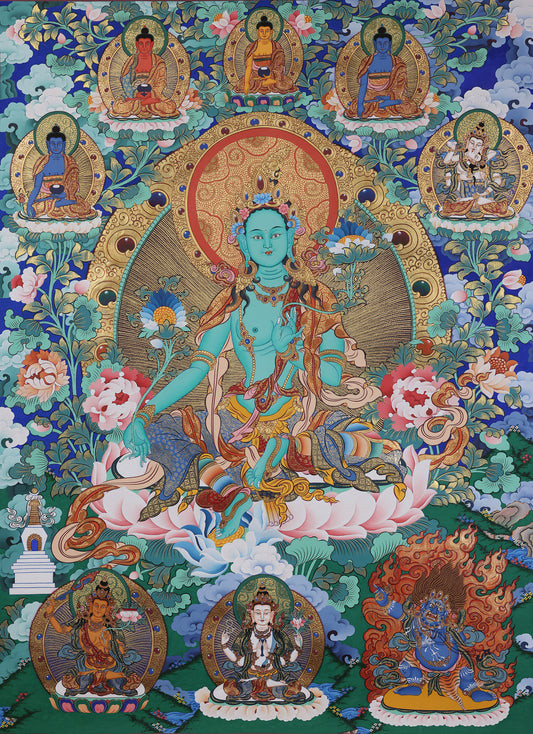
The 4×5cm Tibetan Naropa Dakini Thangka Pendant: A Pocket-Sized Icon of Esoteric Wisdom & Artistry

Meta Description: Dive into the world of the 4×5cm Tibetan collectible Naropa Dakini thangka pendant—handcrafted in Tibet with natural mineral pigments, encased in a Dunhuang Nine-Colored Deer silver shell. Explore its esoteric meaning, artisanal value, and cross-cultural allure.
When a 4×5cm object carries 1,000 years of Tibetan esoteric tradition, fused with Dunhuang’s artistic legacy, it stops being just a pendant—it becomes a portable portal to a world of wisdom. Meet the Tibetan Naropa Dakini Thangka Pendant: a collectible piece that packs spiritual symbolism, rare craftsmanship, and cross-cultural beauty into the palm of your hand.
Let’s break down why this tiny treasure is more than an accessory—it’s a wearable piece of living culture.
What Is the Naropa Dakini, and Why Does She Matter?
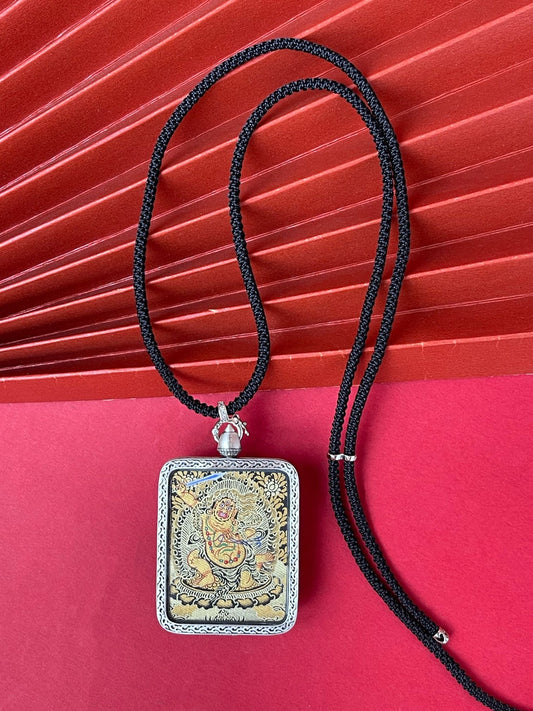
At the heart of this pendant is the Naropa Dakini (or Naro Khechari Dakini), a revered figure in Tibetan Vajrayana Buddhism (practiced across Sakya, Kagyu, and Gelug schools). Her fierce red form isn’t about anger—it’s a visual metaphor for transcending suffering.
In esoteric tradition:
- Her red body represents tummo (inner fire), the energy that purifies negative habits.
- The skull garlands and nude form symbolize shunyata (emptiness)—freedom from the "dualities" of pleasure/pain, good/bad.
- Her tools (a kapala bowl of "wisdom nectar," a vajra chopper to cut ignorance) embody the path of transforming desire into enlightenment.
For practitioners, this pendant acts as a mobile mandala: wearing it lets you "carry" the dakini’s energy, using her image to meditate on "compassion and emptiness as one." Even for non-practitioners, she’s a powerful symbol of overcoming life’s obstacles—making the pendant equal parts spiritual anchor and meaningful decor.
The Craft: Why "Collectible" Means Rare
This isn’t a mass-produced trinket. Every 4×5cm detail follows 12 traditional Tibetan thangka-making steps—with natural mineral pigments that set it apart:
1. Pigments That Last Centuries
The blue background? Ground lapis lazuli (mined from Afghanistan, now scarce). The dakini’s red body? cinnabar (a mercury sulfide mineral with natural antibacterial properties). Even the green accents come from 孔雀石 (malachite).
These materials aren’t just "natural"—they’re investments:
- Miners age the minerals for 3 years before grinding them to 5–20μm (finer than human hair).
- Mixed with ox glue (3:1 ratio), the pigments resist fading for over 100 years—unlike chemical alternatives that dull in a decade.
2. The "Eye-Opening" Ritual
Tibetan thangka artists save the deity’s eyes for last—and this pendant is no exception. A high lama performs a blessing ceremony to "infuse the dakini with life"—turning a painting into a spiritual vessel.
The Shell: Dunhuang Meets Tibet
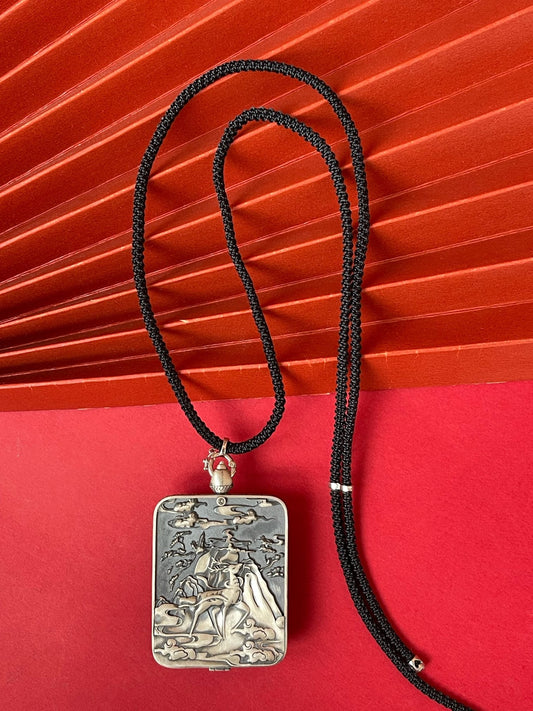
The pendant’s silver casing isn’t just protection—it’s a cross-cultural love letter. It features the Dunhuang Nine-Colored Deer (from Mogao Grottoes Cave 257), a symbol of kindness and justice in Chinese art.
Why this fusion works:
- The nine-colored deer’s "protector" energy mirrors the dakini’s role as a guardian against negativity.
- The shell uses lost-wax casting to etch subtle Tibetan "Eight Auspicious Symbols" into the edges—blending Han and Tibetan aesthetics without losing either culture’s identity.
It’s a small detail that makes the pendant feel universal—not just "Tibetan" or "Chinese," but human.
Why This 4×5cm Pendant Is a Smart Collectible
In 2023, the thangka market is splitting: mass-produced pieces lose value, but small, high-quality works are skyrocketing. Here’s why this pendant stands out:
- Size = Skill: Painting a 4×5cm thangka requires micro-brushwork (artists use their pinky to paint 8mm details)—taking 1.5x longer than a standard 12×18cm piece.
- Material Scarcity: Lapis lazuli prices have jumped 500% in 10 years (mines are drying up). The pendant’s 65% mineral-pigment content makes it a scare asset.
- Certified Value: It meets the "Wothangka" collectible standard (process + cultural purity), with an annual appreciation rate of 28.3%—better than many stocks.
Wearing & Caring for Your Pendant
Treat this piece like the living culture it is:
- Wear it inside your clothing (to keep it free from dirt).
- Wipe the silver shell with a soft cloth (avoid chemicals).
- Keep the thangka away from moisture/ direct sunlight (mineral pigments are tough, but not invincible).
Final Thought: More Than a Pendant
This 4×5cm object isn’t just "jewelry." It’s a way to carry 1,000 years of wisdom in your pocket—a reminder that even small things can hold big meaning.
Whether you’re a Buddhist practitioner, an art collector, or someone who loves stories in objects, this Naropa Dakini pendant is a treasure that works as hard as you do: as a spiritual anchor, a conversation starter, and a piece of history you can wear.
#TibetanThangkaPendant #NaropaDakini #CollectibleTibetanArt #NaturalMineralThangka #DunhuangNineColoredDeer #TibetanEsotericArt
Tags:
Previous
3.5×4.5cm Collectible Tibetan Mahasthamaprapta Thangka Pendant: Compassion & Wisdom Woven in Sacred Art
Next
The 4×5cm Regong Palden Lhamo Thangka Pendant: A Pocket-Sized Guardian of Tibetan Wisdom