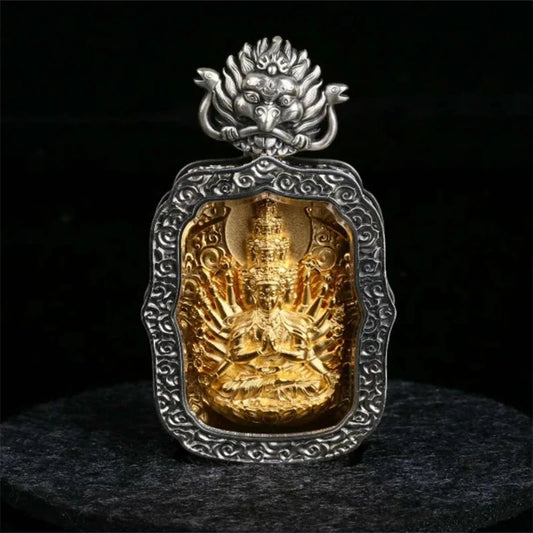
How to Choose a Jampa Maitreya Buddha Buddhist statue: Materials, Meaning, and Buyer Fit

How to Choose a Jampa Maitreya Buddha Buddhist statue: Materials, Meaning, and Buyer Fit
Search intent around "Buddhist statue for meditation room," "how to choose Buddhist art," and "Jampa Maitreya Buddha thangka for sale" is practical. The visitor wants enough detail to compare quality, scale, symbolism, materials, and fit before clicking through to a product page. This guide treats 48cm Red Copper Antique Red-Brown Backlight Jampa Maitreya Buddhist Statue as a real purchase decision, not as a keyword target. The goal is to help a visitor understand what makes the piece worth considering, who it is for, and how to compare it with similar Buddhist art.
1. Begin with the subject and purpose
Jampa Maitreya Buddha is the heart of the product. The associated meaning is loving-kindness, future awakening, patient hope, and the aspiration toward a more compassionate world. That subject should match the buyer's intention. Someone building a meditation corner may want calm focus. A collector may care more about subject clarity, visual balance, and rarity. A gift buyer may need an object that can be explained simply and respectfully.
This matters for SEO and generative search because the page should not merely say "buy thangka" or "Buddhist pendant." It should answer the buyer's decision process. A strong product article names the user, the use case, the product facts, and the cultural context in a way that an AI answer can summarize accurately.
2. Read material and craft signals
The listing's material signals are hand-painted workmanship, copper, gilded finish. Those details influence color, surface, texture, durability, and the feeling of authenticity. They are also valuable because they turn a broad object into a specific product with inspectable features.
For Buddhist art, craft is not only technical. It shapes the viewing experience. A calm face, balanced composition, clear outline, readable symbolic details, and careful finish all help the piece stay meaningful after the first impression fades. That is why an article should discuss what the customer will live with, not only what they will click.
A useful way to compare craftsmanship is to imagine the object after six months of ownership. Will the colors still feel balanced in the room? Will the face or central motif still invite attention? Does the surface look like something made with care, or does it only work in a small product thumbnail? These questions make the content more practical and reduce the risk of thin promotional copy.
Image consistency also matters. The cover image, title, and CTA should all point to the same product, because visitors notice when content feels stitched together from unrelated listings. A clear match between subject, image, and purchase page makes the article feel trustworthy.
3. Match the size to the space
The 48cm size is not a minor detail. It tells the buyer how close they need to stand, whether the work belongs above an altar, on a wall, in a cabinet, or worn as a personal object. If the piece is too small for the chosen location, the iconography can disappear. If it is too large, it may dominate a room that should feel quiet.
4. Compare by questions, not slogans
- Does the subject, Jampa Maitreya Buddha, match the buyer's intention?
- Do the materials, hand-painted workmanship, copper, gilded finish, support the price and use case?
- Does 48cm fit the wall, altar, shelf, or wearing context?
- Does the image show enough detail for a confident purchase?
- Does the language explain traditional associations without making guaranteed claims?
5. Who should consider this product
48cm Red Copper Antique Red-Brown Backlight Jampa Maitreya Buddhist Statue is a strong fit for buyers who value Buddhist cultural meaning, careful display, and a piece that can be explained to others. The clearest use cases are meditation space, home altar or shrine, Buddhist art collection, meaningful gift. It is less appropriate for a buyer who only wants a trend object with no interest in the subject or tradition.
The wording here follows a responsible cultural approach: traditional associations are explained as meaning, devotion, and symbolism, not as guaranteed promises of wealth, health, protection, or a fixed personal result. Responsible content builds long-term trust. It also protects the store from looking like it is using spiritual language as a shortcut for sales.
Search-driven comparison notes
Many visitors will compare this page with marketplaces, museum articles, Buddhist glossary pages, and other Shopify stores. To win that comparison, the article has to provide more than price. It should explain why Jampa Maitreya Buddha matters, how 48cm Red Copper Antique Red-Brown Backlight Jampa Maitreya Buddhist Statue can be used, what product facts are visible, and what a buyer should verify before purchase. This is the kind of information that can support both organic search and generative search because it gives a clear, product-specific answer rather than a generic sales pitch.
The final comparison point is confidence. A buyer should leave the article knowing the subject, the likely use case, the product's physical clues, and the next step. That is why the CTA belongs after the analysis, not before it. By the time the reader reaches the product page, the click is supported by understanding rather than pressure.
Purchase decision
Choose this product if the subject, format, and visual style feel aligned with the space you want to create. If you are comparing multiple products, return to the same criteria: subject, material, size, intended use, image clarity, and care. Those criteria are more reliable than a single emotional headline.
The strongest reason to buy 48cm Red Copper Antique Red-Brown Backlight Jampa Maitreya Buddhist Statue is that it connects a clear Buddhist subject with a practical object. It gives the buyer something to place, wear, collect, or gift, while still retaining a meaningful cultural story. That combination is exactly what high-quality product-led content should make visible.
Check availability and product details
Tags:
Previous
Jampa Maitreya Buddha Meaning in a Tibetan Buddhist statue: A Deep Product Guide
Next
Where to Place a Jampa Maitreya Buddha Buddhist statue for a Respectful Mindful Space