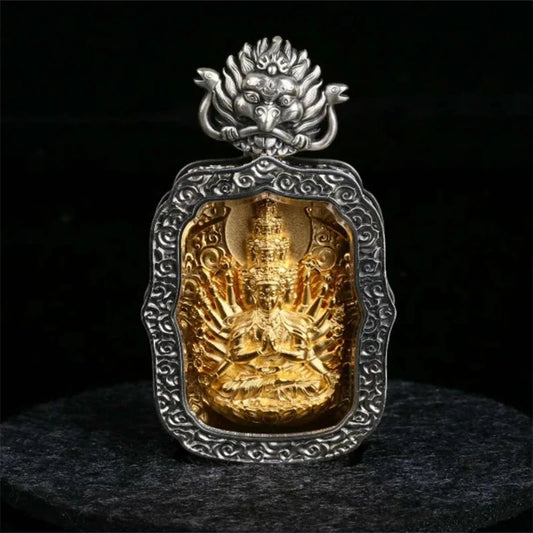
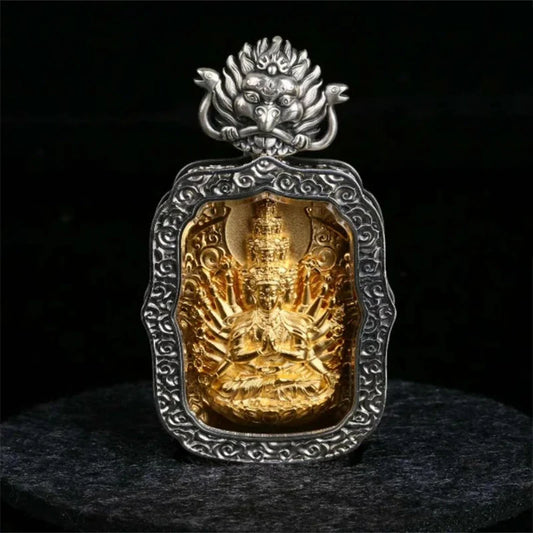
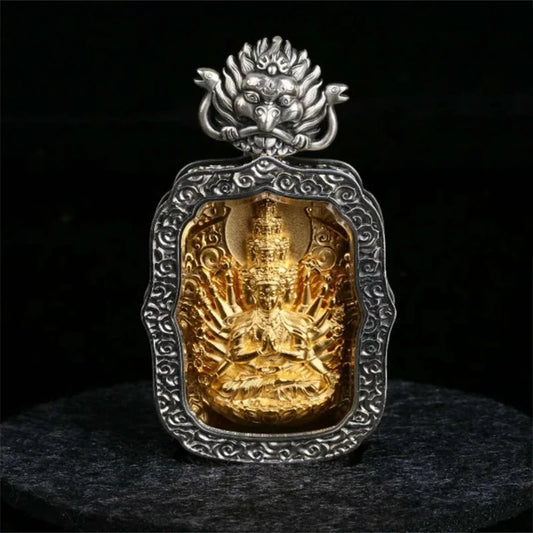
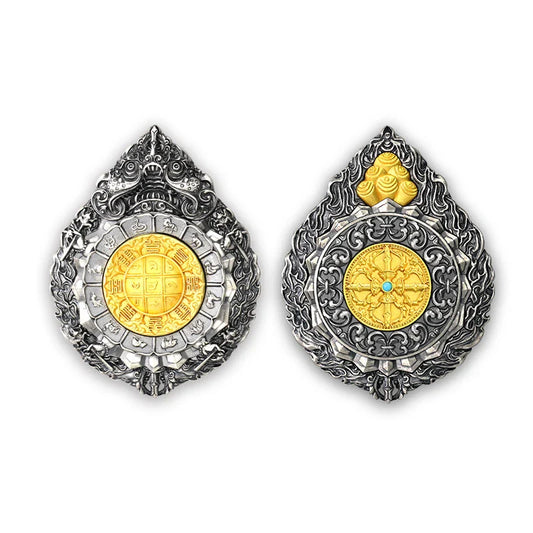
Five Wealth Deities and Yellow Dzambhala Meaning in a Tibetan wearable thangka pendant: A Deep Product Guide

Five Wealth Deities and Yellow Dzambhala Meaning in a Tibetan wearable thangka pendant: A Deep Product Guide
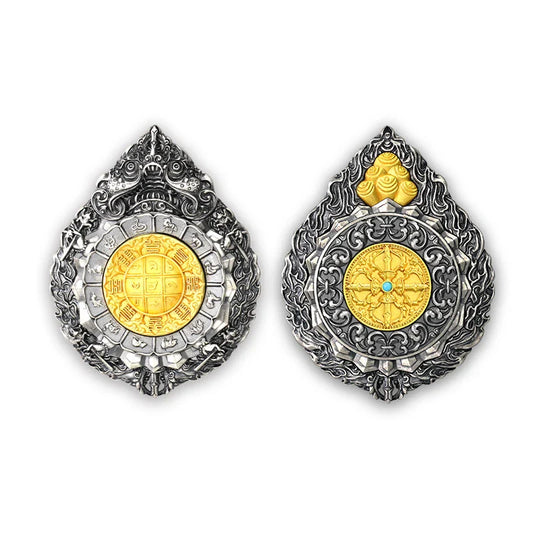
Searchers who type questions such as "what does Five Wealth Deities and Yellow Dzambhala mean," "Five Wealth Deities and Yellow Dzambhala wearable thangka pendant symbolism," or "Tibetan Buddhist art meaning" are usually not ready for a hard sell. They are trying to understand the subject first, then decide whether a product deserves a place in their home, practice room, or collection. 4×5 cm Black Thangka Necklace Pendant Thangka Pendant Tibet Technique: Hand-painted Thangka works well for that kind of visitor because it gives a concrete object through which the symbolism can be studied rather than only described in the abstract.
The first selling point is the subject itself. Five Wealth Deities and Yellow Dzambhala brings a recognizable center to the piece, and the central theme is generosity, abundance, right livelihood, and the traditional reminder that prosperity is most meaningful when joined with ethical action. For a buyer, that matters because a Buddhist artwork is rarely chosen only by color or price. The subject determines the mood of the room, the kind of attention the piece invites, and the story a collector can explain when someone asks why this object was selected.
What the iconography helps a buyer understand
In Tibetan Buddhist visual culture, iconography is a system of memory. A posture, gesture, color field, ornament, implement, or surrounding figure can carry meaning. A product page may only have enough room to name those elements, but a useful article should slow down and explain why they matter. With 4×5 cm Black Thangka Necklace Pendant Thangka Pendant Tibet Technique: Hand-painted Thangka, the strongest way to read the work is to treat the image as a focal point for contemplation, not as a decorative pattern.
The wording here follows a responsible cultural approach: traditional associations are explained as meaning, devotion, and symbolism, not as guaranteed promises of wealth, health, protection, or a fixed personal result. This is important for Google quality, AI summaries, and real customers, because exaggerated promises can make a page look untrustworthy even when the artwork itself is sincere and beautiful.
Product-specific value points
The material clues are especially important: mineral pigments, hand-painted workmanship. The listed 4×5 cm size also changes how the piece should be read from a distance. Those details keep the article tied to the actual product instead of drifting into generic Buddhist language. The product is especially relevant for meditation space, home altar or shrine, Buddhist art collection, meaningful gift, wearable sacred art. These are separate use cases, and each buyer may value a different one.
- Five Wealth Deities and Yellow Dzambhala gives the product a clear entity focus, which helps both human readers and AI search systems understand what the page is about.
- The 4×5 cm format gives the piece enough physical identity to be evaluated for wall, altar, shelf, or display placement.
- The listed materials, including mineral pigments, hand-painted workmanship, create a stronger craft signal than a thin keyword-only description.
- The best buyer is someone who wants a meaningful Buddhist object with cultural context, not only a quick decorative accent.
Search questions this article should answer
A helpful product-led article should be able to answer several search questions without forcing the reader to leave immediately: What is Five Wealth Deities and Yellow Dzambhala? What does the subject traditionally represent? Is this item better for meditation, collecting, gifting, or display? What product details should be checked before buying? How should a sacred image be described without turning tradition into exaggerated marketing? When those questions are answered in one place, the article becomes more useful for Google, more quotable for AI-generated search answers, and more persuasive for a careful customer.
Why this is stronger than a keyword article
A low-quality article would repeat the product name, add a few generic sentences about peace, and then push the reader to buy. That is not enough for this store. A stronger article answers the questions a careful customer actually has: What is the subject? What does it traditionally represent? How does the material and size influence ownership? Where can it be placed respectfully? What should not be claimed?
For 4×5 cm Black Thangka Necklace Pendant Thangka Pendant Tibet Technique: Hand-painted Thangka, the product's commercial value is tied to trust. A buyer has to believe the store understands the art form. That trust is built through specific language, careful boundaries, and a direct connection between product facts and cultural explanation. The article should be useful even to someone who decides not to buy immediately.
The second trust signal is restraint. Many spiritual product pages fail because they use the same claims for every item. Here, the article should stay close to the actual piece: Five Wealth Deities and Yellow Dzambhala, the wearable thangka pendant format, the visible craft details, and the practical setting where the buyer may use it. This makes the content feel authored, not generated from a universal template.
How to use the piece thoughtfully
If the piece is used in a meditation room, let it have visual space. Avoid surrounding it with unrelated objects that weaken the sacred or contemplative quality. If it is part of a collection, keep notes about the subject, size, materials, and why you chose it. If it is a gift, include a short explanation of Five Wealth Deities and Yellow Dzambhala so the recipient receives the meaning along with the object.
Care is simple but important: keep the item dry, avoid prolonged harsh sunlight, and handle it carefully when moving or cleaning. Sacred art does not need a dramatic setting to feel powerful. It needs a clean environment, respectful placement, and enough context for its meaning to remain visible.
Best fit
4×5 cm Black Thangka Necklace Pendant Thangka Pendant Tibet Technique: Hand-painted Thangka is best for a buyer who wants the object to carry meaning every day. It can support a quiet practice space, add cultural depth to a room, or become a focused piece in a Tibetan Buddhist art collection. Its strongest appeal is the combination of recognizable subject, material detail, and practical display potential.
View 4×5 cm Black Thangka Necklace Pendant Thangka Pendant Tibet Technique: Hand-painted Thangka
Tags:
Previous
Where to Place a Five Wealth Deities and Yellow Dzambhala wearable thangka pendant for a Respectful Mindful Space
Next
How to Choose a Five Wealth Deities and Yellow Dzambhala wearable thangka pendant: Materials, Meaning, and Buyer Fit