How to Choose a Silver Zaki Lam Tangka Pendant: Symbol, Material, and Fit
Choosing a Buddhist pendant is different from buying ordinary jewelry. The buyer has to think about subject meaning, image clarity, comfort, care, and whether the piece can be worn respectfully. The Silver Zaki Lam Tangka Pendant deserves that kind of careful comparison because its value comes from both wearable craft and cultural identity.
Searchers may arrive from questions such as "Silver Zaki Lam Tangka Pendant meaning," "how to choose Buddhist jewelry," or "Tibetan Buddhist pendant for sale." Those searches combine learning and buying intent. The article should therefore give cultural explanation, product-specific details, and a clear path to the product page.
Start with the subject
The subject is the heart of the pendant. A piece with a named Buddhist-inspired image should be chosen because the buyer connects with that meaning, not only because it looks decorative. If the subject is unclear in the image, the product loses much of its strength. If the subject is visible and the styling is balanced, the pendant becomes easier to understand, wear, and explain.
For this product, the appeal is the combination of Zaki Lam imagery and a silver-toned pendant format. The buyer can carry the symbolism in a personal way while still keeping the object small enough for daily use, careful storage, or gifting.
Evaluate image and craft
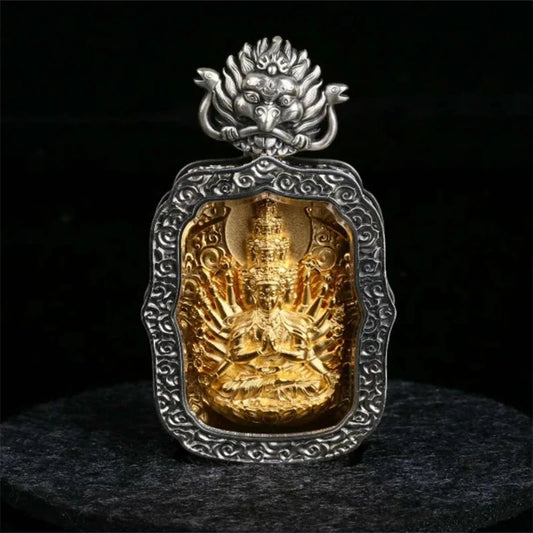
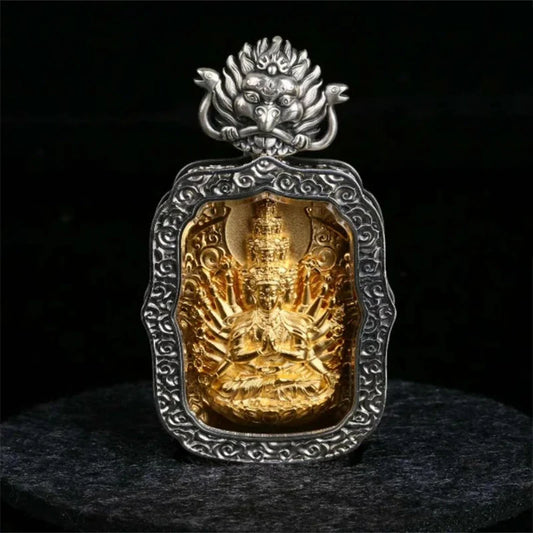
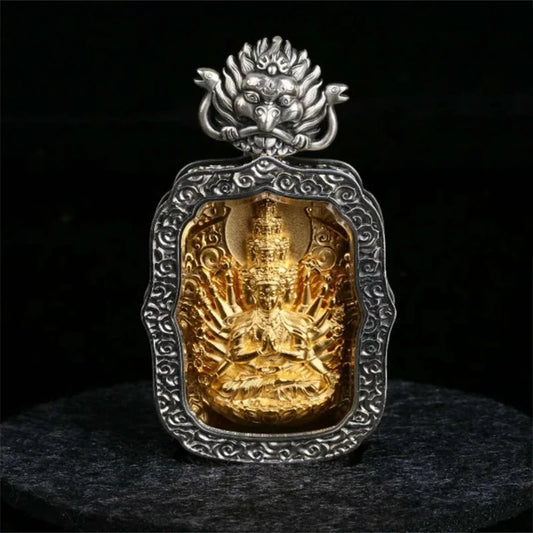
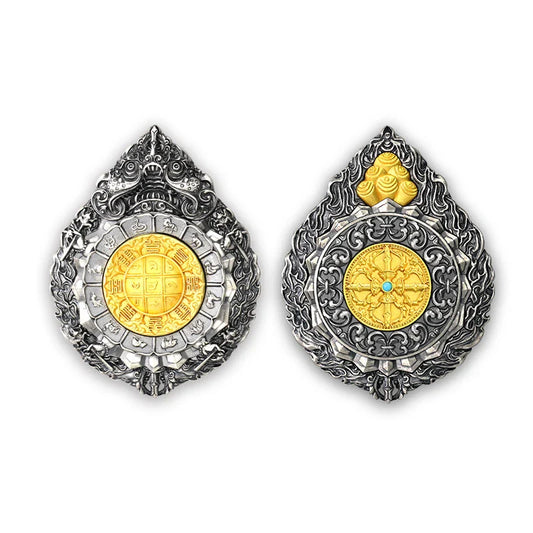
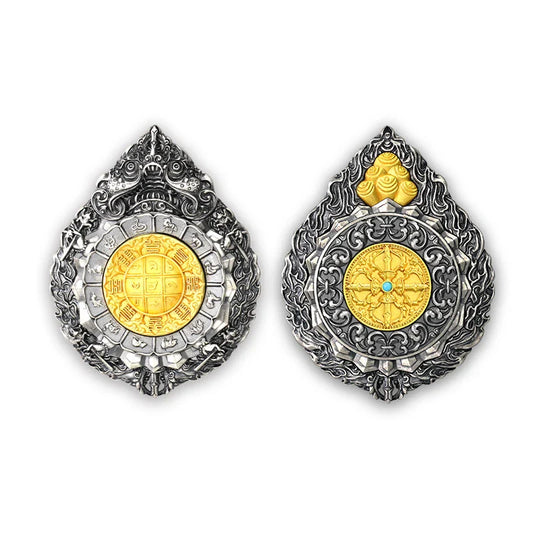
Before buying, look at the product image carefully. Does the subject feel readable? Are the colors and finish balanced? Does the pendant look like it can be worn comfortably? Is the cover image consistent with the product page? These questions make the article practical rather than promotional.
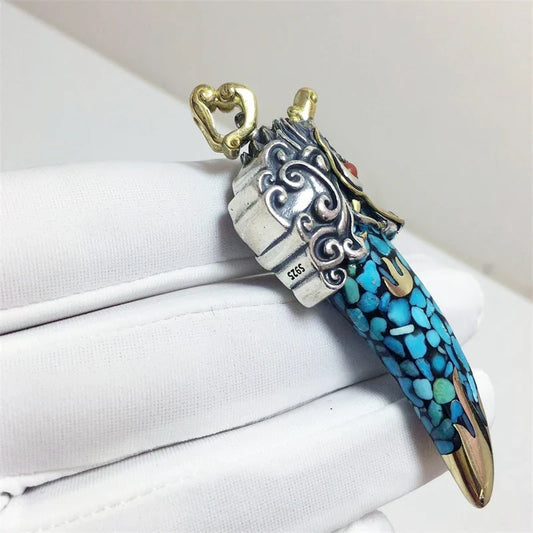
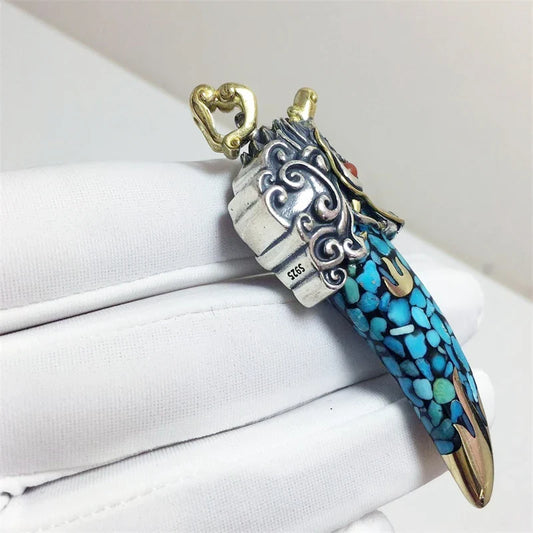
The exact material details should be judged from the listing and product photos. For jewelry, practical features matter: surface finish, weight impression, attachment point, and how the pendant will sit with clothing. A meaningful piece still has to function well as an object a buyer can actually use.
Match it to the buyer
- For daily wear, choose it if the subject feels personal and the form suits your style.
- For gifting, include a short explanation so the recipient understands the meaning.
- For collecting, keep notes about the product name, image, subject, and purchase page.
- For practice support, treat it as a reminder object rather than a guaranteed result.
Compare by questions, not slogans
The best buying decision comes from clear questions. Does the Zaki Lam subject match the buyer's intention? Does the pendant format work for daily wear or careful storage? Is the image clear enough for confident purchase? Does the description explain symbolism without overpromising? Does the CTA open the same product shown in the cover image?
These questions are also useful for SEO and AI search. They create a page that answers real buyer concerns instead of repeating keywords. Generative search systems can summarize a page more accurately when the product, subject, use case, and purchase decision are all explained in direct language.
Responsible cultural framing
Spiritual jewelry content often becomes weak when it promises too much. A responsible product article should not claim guaranteed protection, wealth, luck, healing, or personal transformation. It should explain traditional meaning, respectful use, and buyer fit. That restraint is not less persuasive. It is more credible.
For the Silver Zaki Lam Tangka Pendant, trust comes from specificity. The article should stay focused on this product, this image, this product URL, and this buyer decision. That focus makes the content feel edited rather than automatically generated.
Questions to ask before buying
Before choosing the pendant, ask whether the image, subject, and intended use all match. If the main reason for interest is the Zaki Lam subject, the pendant should make that subject visible enough to recognize. If the main use is daily wear, comfort and storage matter as much as symbolism. If it is a gift, the buyer should be able to explain the meaning in simple, respectful language.
For comparison, avoid choosing only by price. A better decision balances subject clarity, image consistency, jewelry comfort, and the reason the buyer wants this particular pendant. That small check makes the buying decision more grounded and keeps the content useful for real shoppers.
Purchase decision
Choose this pendant if you want a wearable Buddhist-inspired object with a clear subject and a practical format. It is a strong fit for people who value meaningful jewelry, symbolic gifting, or a personal reminder connected with Tibetan Buddhist visual culture.
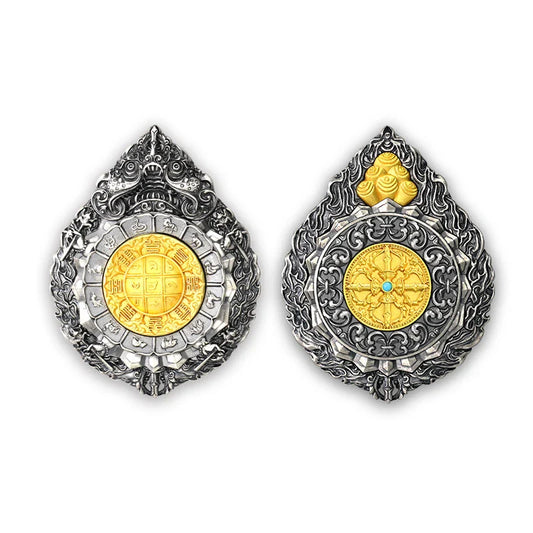
A final image check is useful before buying. The cover should show the same Silver Zaki Lam Tangka Pendant that the CTA opens, and the article should describe the object shown in the product photo. This prevents confusion, improves trust, and keeps the shopping path coherent for both readers and search systems.
It also keeps the page focused on one product instead of drifting into broad spiritual language. That focus is useful for SEO, AI summaries, and real purchase confidence.
The final decision should feel specific, not generic.
The pendant should feel meaningful in the hand, clear in the image, and practical enough for the buyer's intended use. When those three points match, the product page earns a more confident click.
For extra confidence, read the product page after the article and compare the visible image details with the claims made here. If the subject, finish, and wearing purpose remain clear after that comparison, the click to the product page is supported by understanding rather than pressure.
Check availability and product details
Tags:
Previous
Silver Zaki Lam Tangka Pendant Meaning: Symbolism, Craft, and Buyer Value
Next
How to Wear and Store a Silver Zaki Lam Tangka Pendant Respectfully