
How to Choose a Silver Five-Pronged Vajra Pendant: Symbol, Material, and Fit
Choosing a Buddhist pendant is different from buying an ordinary accessory. The buyer needs to consider meaning, material, comfort, image accuracy, and respectful use. The Silver Five-Pronged Vajra Pendant is a strong candidate for shoppers who want Tibetan Buddhist jewelry with a clear symbolic identity, but it should still be evaluated carefully. A good buying guide should make that evaluation easier, not push the visitor toward a rushed purchase.
Searchers may arrive from questions like "five-pronged vajra pendant meaning," "how to choose Buddhist jewelry," or "silver vajra pendant for daily wear." Those searches combine learning and buying intent. The article therefore needs to give cultural explanation, product-specific details, and a clear path to the product page.
Start with the symbol
The most important feature is the five-pronged vajra form. In Tibetan Buddhist visual culture, the vajra is widely associated with clarity, firmness, and indestructible wisdom. The five-pronged structure gives the pendant balance and recognizability. When comparing products, look first at whether the shape is easy to read. A pendant can be beautifully finished, but if the symbol is unclear, the piece loses much of its meaning.
For this product, the appeal is the directness of the symbol. It does not depend on heavy decoration or vague spiritual language. The buyer can understand the object quickly: a silver-toned pendant centered on the five-pronged vajra.
Evaluate material and finish
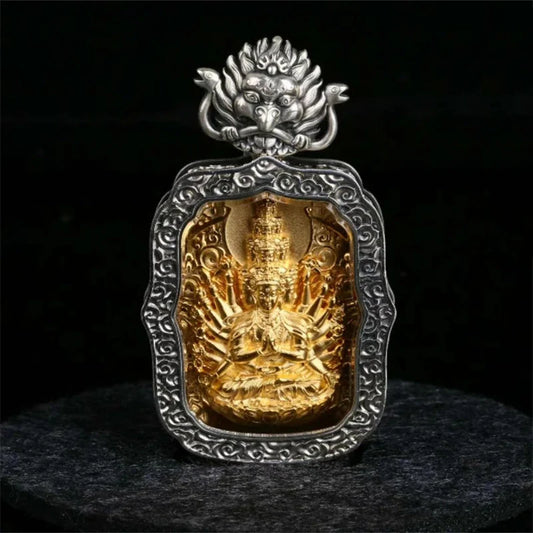
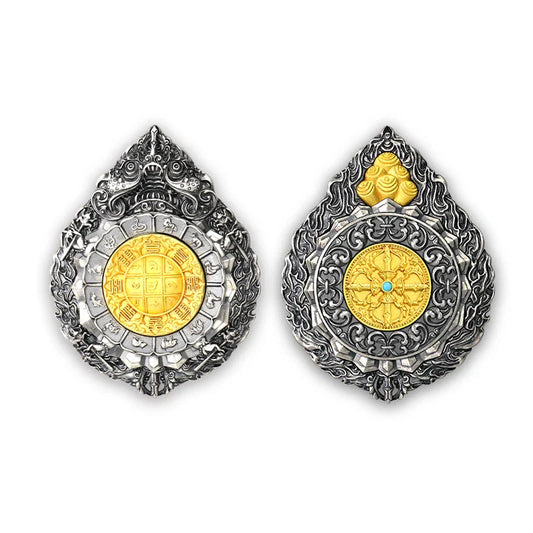
For a small pendant, material feel and surface finish matter. The item should look clean in close-up photos, with a shape that remains visible from normal viewing distance. A buyer should consider how the pendant will pair with clothing, whether the surface looks too delicate for daily handling, and how it will be stored when not worn. These are practical details, but they shape long-term satisfaction.
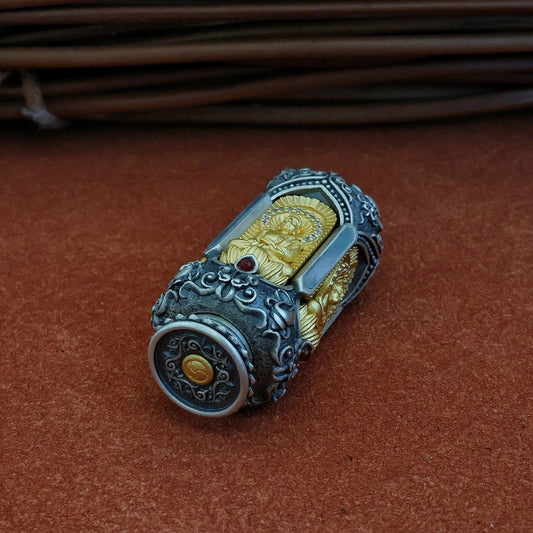
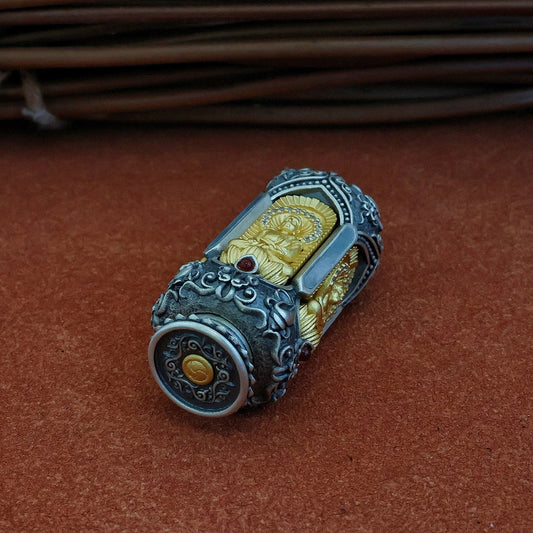
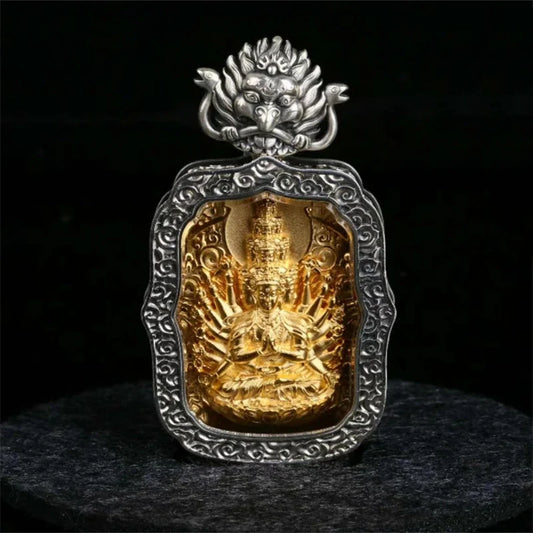
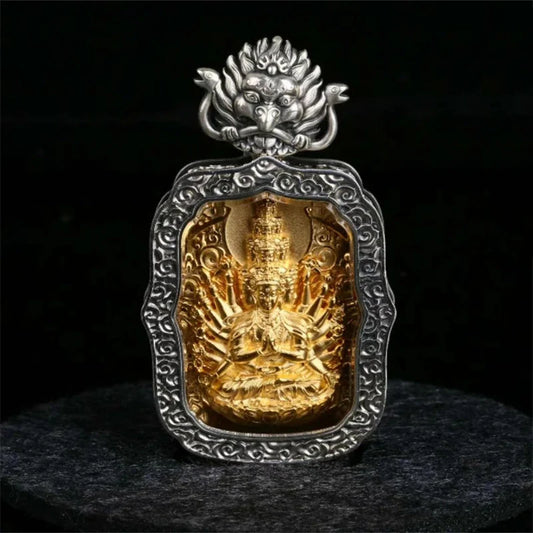
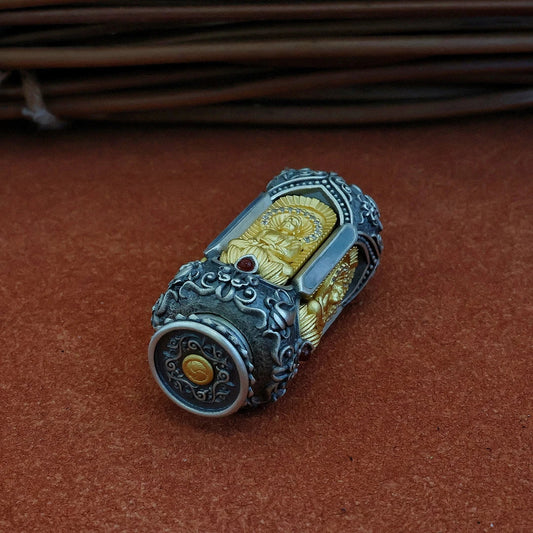
The image should match the product page exactly. Consistent title, cover image, product link, and alt text create trust. They also help Google and AI search understand that the article is about a specific product rather than a generic article pasted across multiple listings.
Match the pendant to the buyer
- For daily wear, choose it because the symbol is compact, readable, and meaningful.
- For gifting, include a short explanation of the vajra so the recipient understands the context.
- For collecting, document the product name, image, material impression, and purchase page.
- For meditation support, treat it as a reminder object rather than a claimed source of guaranteed results.
This responsible framing is important. The pendant may carry meaning for the wearer, but marketing should avoid promising protection, health, wealth, or fixed spiritual outcomes. Careful wording makes the content more credible and more aligned with high-quality search standards.
Compare it against generic jewelry
A generic silver pendant may compete on shine, price, or trend. The Silver Five-Pronged Vajra Pendant competes on meaning and specificity. Its strongest value is that the buyer knows what the form represents and can explain why it was chosen. That gives the item a stronger emotional and cultural role than an accessory selected only for style.
At the same time, buyers should still check practical details. Look at the product photos, the scale, the finish, and the intended chain or storage method. A meaningful pendant still has to function as an object that can be worn comfortably and cared for properly.
SEO and AI-search value
This article is designed to answer comparison questions in a structured way: what the product is, what the symbol means, who it fits, what to inspect, and how to make a buying decision. That structure helps organic search because it reflects real user questions. It also helps generative search because each section gives a clear, quotable answer without relying on repeated keywords.
Questions to ask before buying
Before choosing the pendant, ask whether the symbol is the reason you are interested or whether you are mainly responding to the surface style. If the answer is the symbol, then the five-pronged vajra should remain visible and central in the product image. If the answer is daily wear, then comfort, storage, and durability become just as important as meaning. If the pendant is a gift, the product should be easy to explain in a sentence or two, because a meaningful gift becomes stronger when the recipient understands why it was chosen.
These questions give the article original value. They move the content beyond a repeated product description and help the buyer make a real comparison. That is the kind of usefulness Google expects from product-led content, and it is also the kind of structure that generative search can quote accurately.
Purchase decision
Choose the Silver Five-Pronged Vajra Pendant if you want a wearable Buddhist object with a focused symbol, simple styling, and clear buyer intent. It is especially suitable for people who value the five-pronged vajra as a daily reminder and want a pendant that can be worn, stored, or gifted with respect.
The best reason to buy it is not that it looks spiritual in a vague way. The best reason is that the object has a clear form, a clear meaning, and a practical format. That combination gives the buyer more confidence than a broad product description alone.
A final image check is useful: the cover should show the same Silver Five-Pronged Vajra Pendant that the CTA opens. This prevents confusion and keeps the shopping path coherent.
Check availability and product details
Tags:
Previous
Silver Five-Pronged Vajra Pendant Meaning: Symbolism, Craft, and Buyer Value
Next
How to Wear and Store a Silver Five-Pronged Vajra Pendant Respectfully
Related articles
-
Jul 13 2026