How to Choose a 21cm One/Three/Five-Prong Brass Vajra Ritual Implement: Materials, Meaning, and Buyer Fit

How to Choose 21cm One/Three/Five-Prong Brass Vajra Ritual Implement: Material, Scale, and Buyer Fit
People searching for "how to choose a vajra," "brass vajra ritual implement," or "Tibetan altar vajra size" are often comparing several products at once. They may like the look of a brass vajra, but they still need to decide whether the material, size, symbolism, and use case fit their space. 21cm One/Three/Five-Prong Brass Vajra Ritual Implement deserves a buyer-focused guide because it has several decision points that a short product description cannot fully explain.
Start with purpose
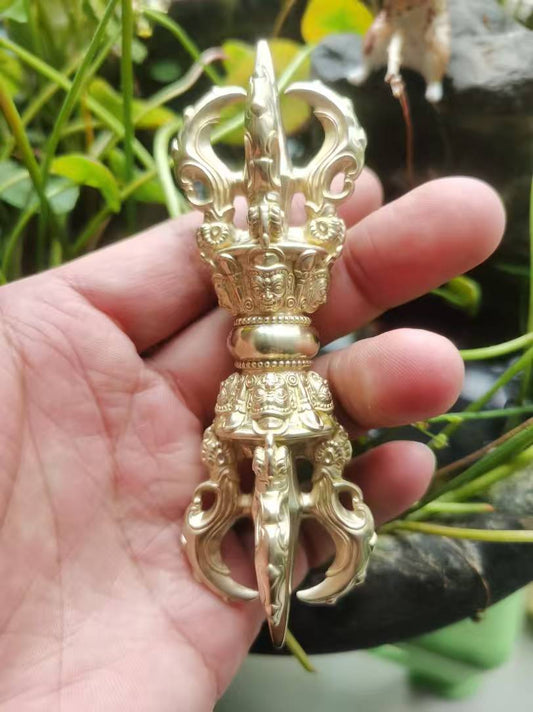
The first question is not price. It is purpose. Will the vajra be used in a meditation room, placed on a home altar, added to a Buddhist art collection, or given as a meaningful gift? 21cm One/Three/Five-Prong Brass Vajra Ritual Implement carries a comparative one-, three-, and five-prong vajra form, polished brass ritual craft, and the ceremonial presence of a handcrafted Buddhist implement. A buyer who understands that context can make a more confident choice than someone who only sees a shiny brass object.
For SEO and generative search, this distinction is important. Search engines increasingly reward pages that answer the full decision journey. A useful article should explain the product's subject, the buyer's likely use cases, the materials, the scale, and the respectful limits of what can be claimed. That is exactly what a careful customer needs before clicking through to purchase.
Evaluate the brass and finishing
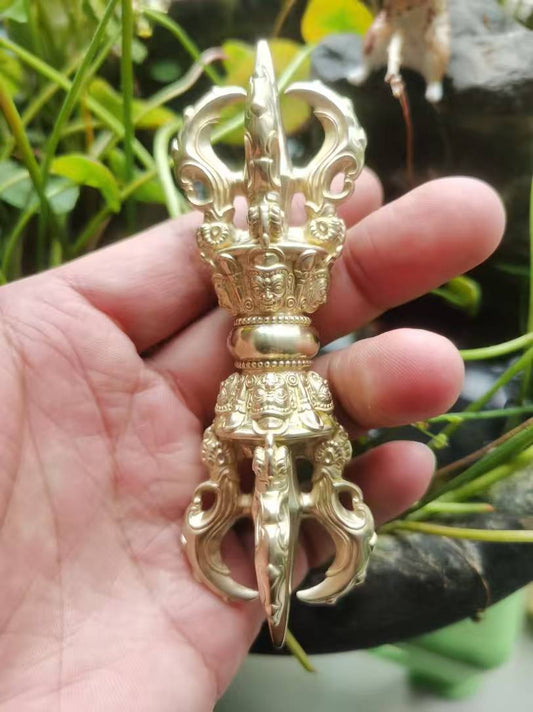
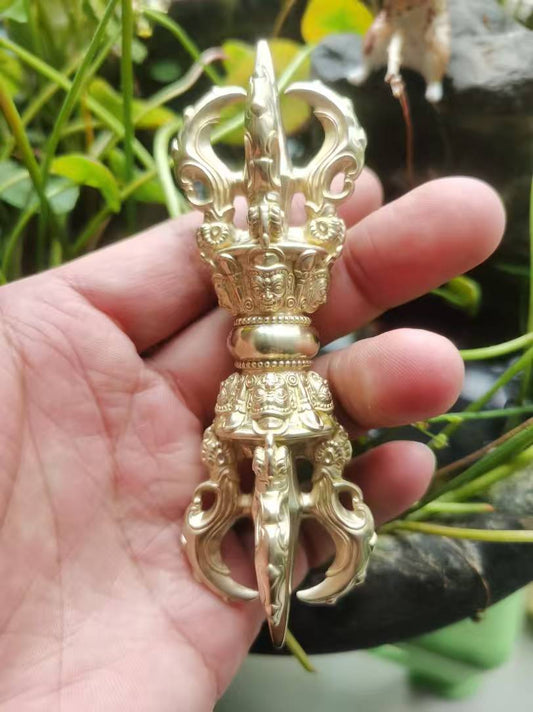
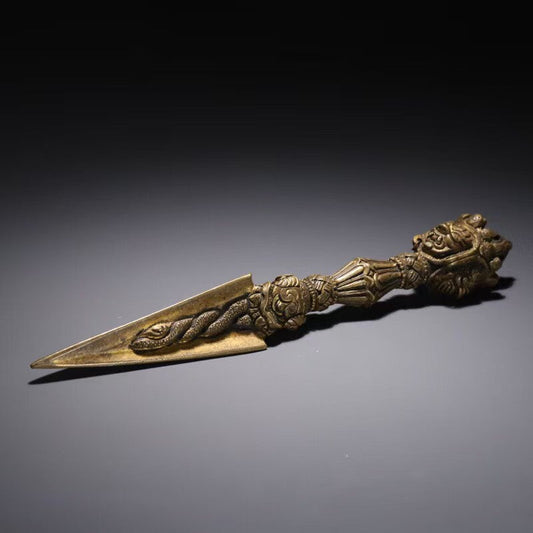
Brass is a strong material signal. It suggests weight, warmth, and a traditional ritual-object appearance. In a product like 21cm One/Three/Five-Prong Brass Vajra Ritual Implement, the finish should support the form rather than distract from it. Buyers should look for balanced shape, readable prong structure, steady proportions, and a surface that looks appropriate in both product photos and real display settings.
Handcrafted ritual art should not be judged only by brightness. A piece can be polished and still feel serious if the proportions are calm and the details are clear. The best buyer is someone who appreciates material presence, not someone looking for a disposable accent. This is why the article should discuss craft and ownership, not only keyword phrases.
Check whether 21cm fits your space
The 21cm size gives the product a practical middle ground. It is large enough to be noticed on a shelf or altar, but it can still fit into a personal practice area. Before buying, measure the intended surface and leave space around the object. A vajra placed too tightly among unrelated items may lose its visual authority. A clean, intentional setting makes the piece easier to appreciate.
- Choose this piece for a home altar if you want a visible brass ritual implement with presence.
- Choose it for a meditation shelf if you want a focused object that can anchor attention.
- Choose it for a collection if the one-, three-, and five-prong concept adds useful variety.
- Choose it as a gift if the recipient values Buddhist symbolism and cultural context.
Compare by real criteria
A strong comparison should ask practical questions. Does the subject match your intention? Is brass the material you want? Does 21cm fit the intended location? Does the product image show the form clearly? Does the seller explain cultural meaning responsibly? These questions are more reliable than vague claims about energy or luck.
It is especially important to avoid exaggerated spiritual promises. Traditional associations can be explained as symbolism, devotion, and contemplative meaning. They should not be sold as guaranteed outcomes. This responsible approach protects customer trust and makes the article stronger for Google quality systems.
What a careful buyer should inspect
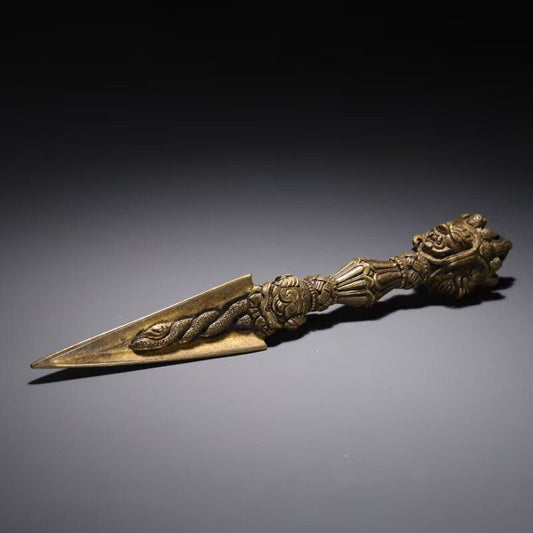
Before purchase, a careful buyer should inspect the product images for proportion and surface. The prongs should feel visually balanced, the center form should not look weak, and the brass should have enough depth to hold attention outside of a product thumbnail. If the piece will sit on an altar, the buyer should also think about the surrounding objects. A vajra works best when the setting is intentional, not crowded with unrelated decorations.
The buyer should also compare this product with smaller ritual implements and purely decorative brass pieces. A smaller item may be easier to store, but it may not have the same visual authority. A generic brass ornament may look pleasant, but it may not carry the same Buddhist vocabulary. 21cm One/Three/Five-Prong Brass Vajra Ritual Implement is strongest when the buyer values both form and context.
Why article quality affects trust
For a spiritual or cultural product, the article itself becomes part of the purchase experience. If the writing is vague, repetitive, or full of unrelated terms, the buyer may question whether the store understands the object. If the writing explains the product with restraint and detail, it supports confidence. That is why this guide focuses on real buying criteria rather than inflated promises.
Why this product can convert well
21cm One/Three/Five-Prong Brass Vajra Ritual Implement has a clear entity, a specific material, a usable size, and an obvious placement context. That combination helps both readers and AI systems understand the page. Instead of being a generic "Buddhist item," it becomes a specific ritual implement with an explainable role. The CTA then feels natural because the article has already answered the buyer's questions.
The final decision is simple: choose this product if you want a brass vajra that can be displayed respectfully, explained clearly, and used as part of a mindful environment. It is strongest for buyers who want meaning and material presence together.
Check availability and product details
Tags:
Previous
Where to Place a 21cm One/Three/Five-Prong Brass Vajra Ritual Implement for a Respectful Mindful Space
Next
Where to Place a 21cm One/Three/Five-Prong Brass Vajra Ritual Implement for a Respectful Mindful Space