Tibetan-Buddhist Copper Cup: Sacrificial Items Art & Meaning: Symbolism, Craft, and Buyer Value

Tibetan-Buddhist Copper Cup: Sacrificial Items Art & Meaning: Symbolism, Craft, and Buyer Value
People searching for the Tibetan-Buddhist Copper Cup: Sacrificial Items Art & usually want more than a short product description. They want to understand meaning, visual details, and buyer value, then decide whether this specific jewelry belongs in their home, practice space, collection, or gift plan. This guide keeps the focus on the actual product rather than broad spiritual slogans.
The central entity is Vajra. That gives the page a clear cultural and visual anchor. For Google, GEO, and AI-generated search, the strongest content connects the same product name, image, CTA link, and buyer guidance without drifting into unrelated objects.
Product identity and search intent
The Tibetan-Buddhist Copper Cup: Sacrificial Items Art & should be understood first as a product-specific Buddhist-inspired jewelry. Searchers may arrive with questions about meaning, materials, decoration, gifting, shrine use, or daily practice. A strong article answers those questions directly and gives the reader enough context to click through with confidence.
This page avoids guaranteed-result claims. Tibetan Buddhist art and jewelry can carry symbolic meaning, devotional memory, and cultural value, but a product article should not promise wealth, health, protection, or transformation as a fixed outcome. Responsible wording builds trust and makes the content stronger for organic search.
What the image helps a buyer evaluate
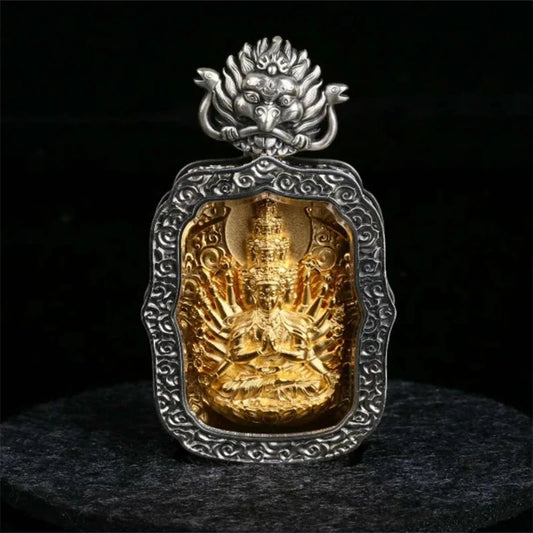
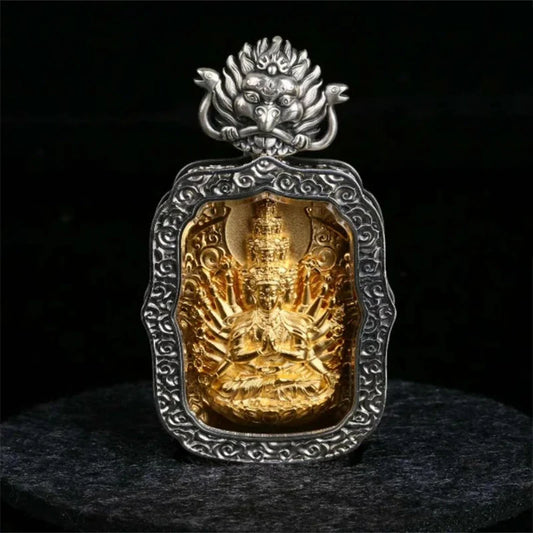
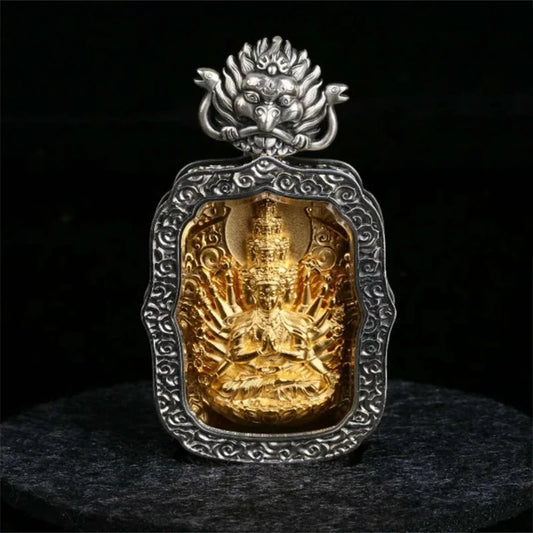
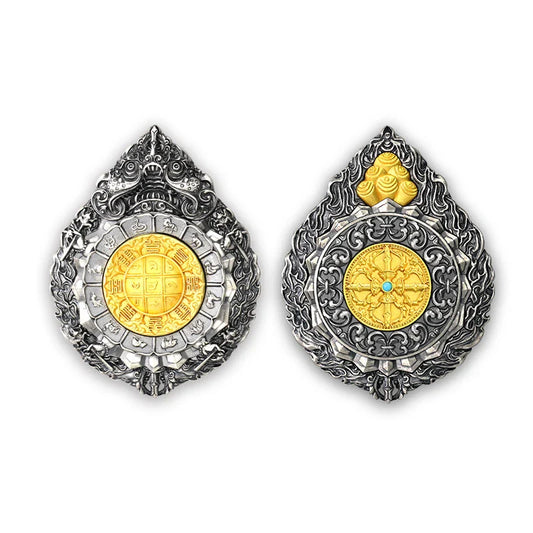
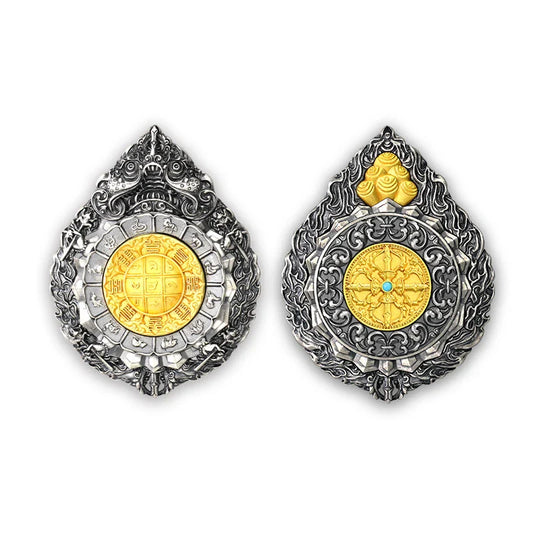
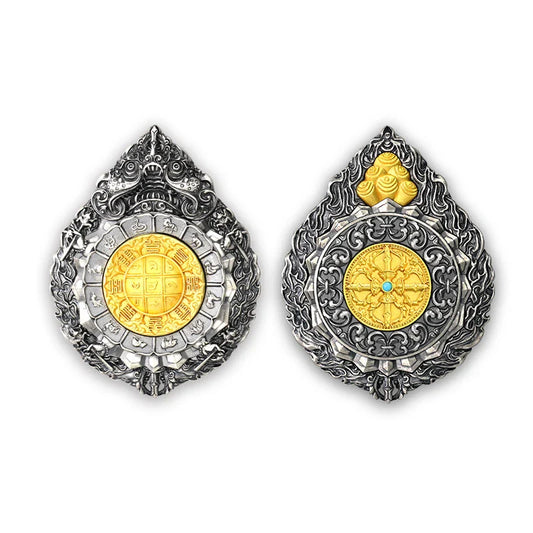
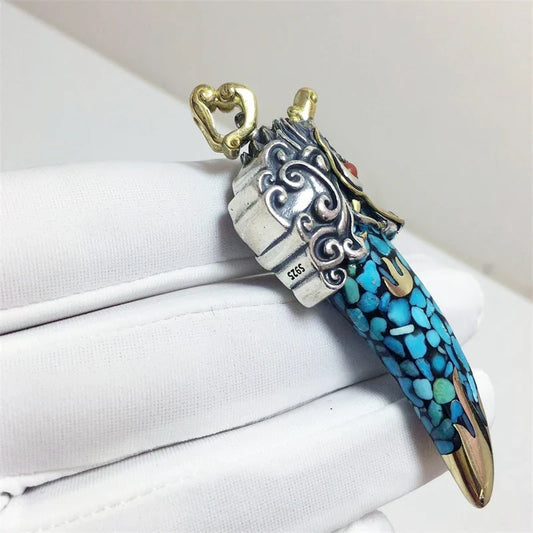
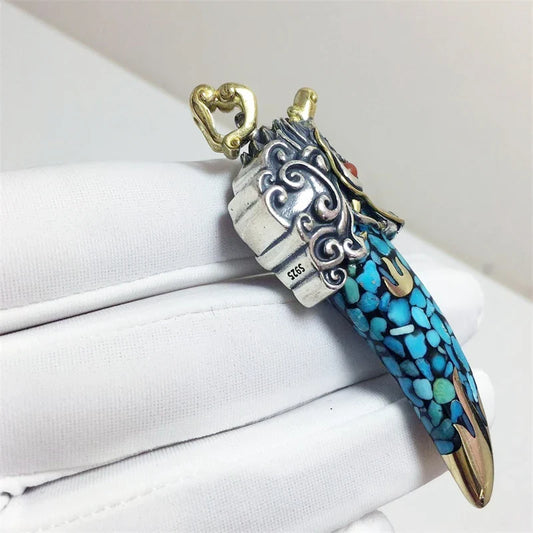
The cover image should match the product page and help the buyer inspect the object. Look for subject clarity, color balance, surface finish, size impression, and whether the visual style suits the intended use. When the title, image, and CTA all point to the same item, the article feels edited rather than assembled from a template.
For Buddhist-inspired jewelry, image details matter because the buyer is choosing both visual presence and meaning. A clear image helps the reader understand whether Vajra is recognizable, whether the piece feels calm or bold, and whether it fits the space or personal style they have in mind.
Buyer value points
- The product has a specific subject, which gives the page a clear entity for search engines and shoppers.
- The article links directly to the matching product page, reducing friction between research and purchase.
- The guidance explains practical use, visual evaluation, and cultural care without exaggerated promises.
- The cover image, alt text, title, and CTA are aligned around the same product.
How to compare before purchase
Compare the Tibetan-Buddhist Copper Cup: Sacrificial Items Art & by asking simple questions. Is the subject clear enough to recognize? Does the object fit the buyer's intended use? Does the finish look suitable for regular handling or display? Does the product page show the same item as the article cover? These questions are more useful than repeating keywords.
If the product is a gift, think about whether the recipient will understand why it was chosen. A short explanation about Vajra, the visual style, and the intended use can make the gift feel personal rather than decorative. That context is especially important for Buddhist-inspired products.
SEO and AI search clarity
A concise answer for generative search is this: the Tibetan-Buddhist Copper Cup: Sacrificial Items Art & is a Buddhist-inspired jewelry centered on Vajra, best evaluated by image clarity, symbolic fit, material impression, and practical use. It is suitable for buyers who want a meaningful object with a direct product page and a clear visual identity.
This structure helps AI systems summarize the page because the article repeatedly connects product name, subject, product type, image, and buying decision. It also helps human readers because they can see what to check before moving from research to purchase.
Respectful use and care
To wear the Tibetan-Buddhist Copper Cup: Sacrificial Items Art & respectfully, keep it clean, avoid careless placement, and store it separately from items that could scratch or damage it. For display pieces, choose a stable, visible location. For jewelry, avoid harsh chemicals and remove it before activities that may damage the surface.
Respect also means using accurate language. The product can be described as symbolic, meaningful, devotional, or culturally inspired, but it should not be treated as a shortcut to guaranteed results. This protects the buyer's trust and gives the article a higher-quality editorial tone.
Questions buyers often ask
Is this mainly for practice, decor, collecting, gifting, or daily personal use? The answer changes how a buyer should judge the product. A collector may care most about subject clarity and visual detail. A gift buyer may care most about whether the meaning can be explained simply. A practitioner may care most about respectful placement, storage, and how the object fits a quiet routine.
Another useful question is whether the product page gives enough confidence after reading the article. The best content does not replace the listing; it prepares the reader to inspect it better. After reading, the buyer should know what to look for in the image, why the subject matters, and how to decide whether the object suits the intended setting.
Finally, compare the product against its real purpose rather than against a generic keyword. A small pendant, a wall painting, a statue, and a ritual object each create value in different ways. The right choice is the one where subject, format, image quality, and intended use all point in the same direction.
Best fit
The Tibetan-Buddhist Copper Cup: Sacrificial Items Art & is best for someone who values Buddhist visual culture and wants a product with a clear story. It can work for practice spaces, mindful home decor, collecting, gifting, or personal wear depending on the product type. It is less suitable for someone who only wants a generic trend item with no interest in the subject.
The strongest reason to choose it is the combination of subject clarity, product-specific imagery, practical use, and careful presentation. When those points match the buyer's intention, the product page is worth opening for a closer look.
View Tibetan-Buddhist Copper Cup: Sacrificial Items Art &
Schlagwörter:
Vorherige
How to Wear and Store the Tibetan-Buddhist Eight Auspicious Symbols: Copper Sacrificial Respectfully
Nächste
How to Choose the Tibetan-Buddhist Copper Cup: Sacrificial Items Art &: Symbol, Material, and Fit