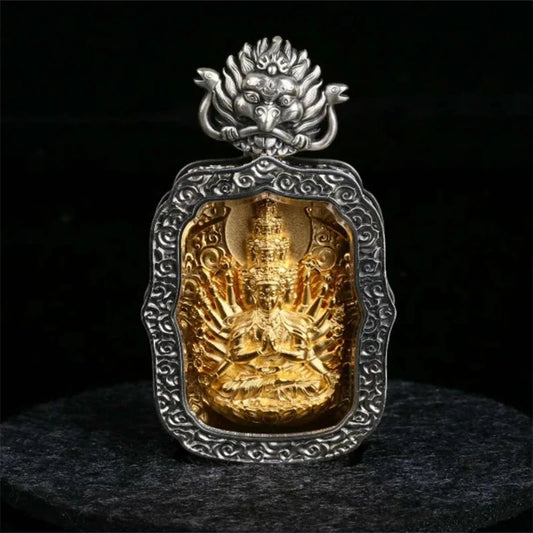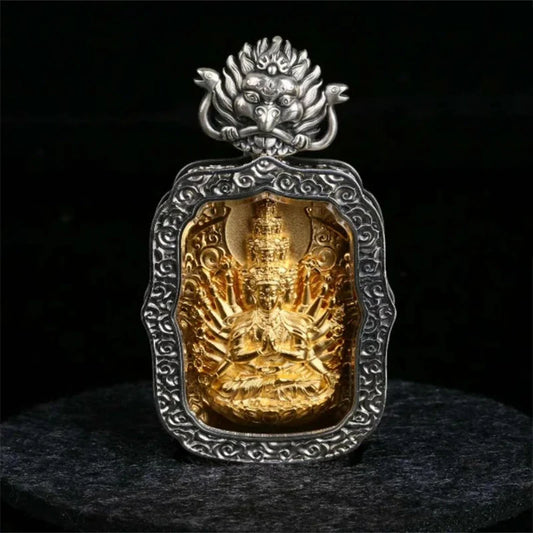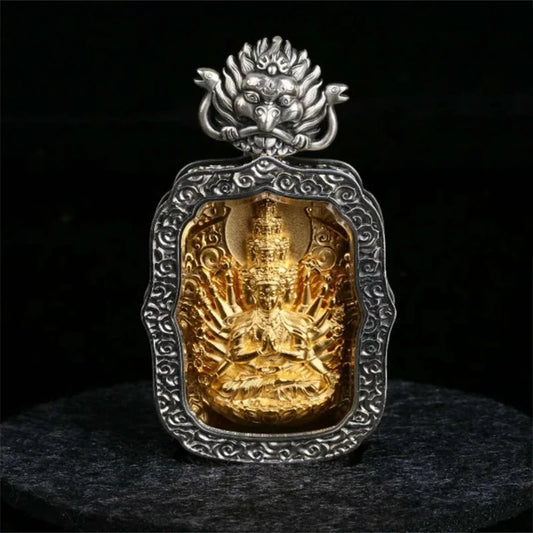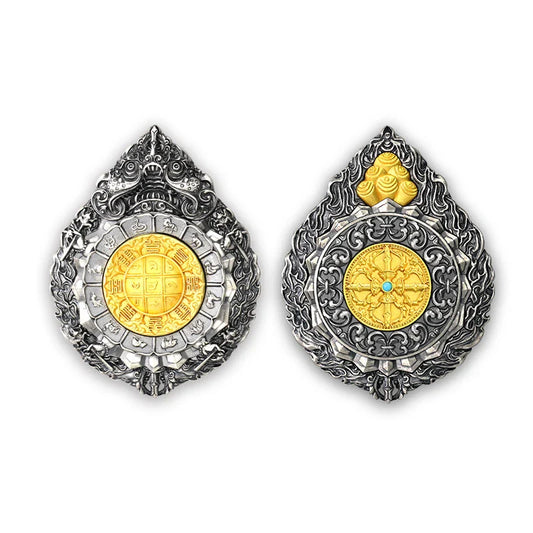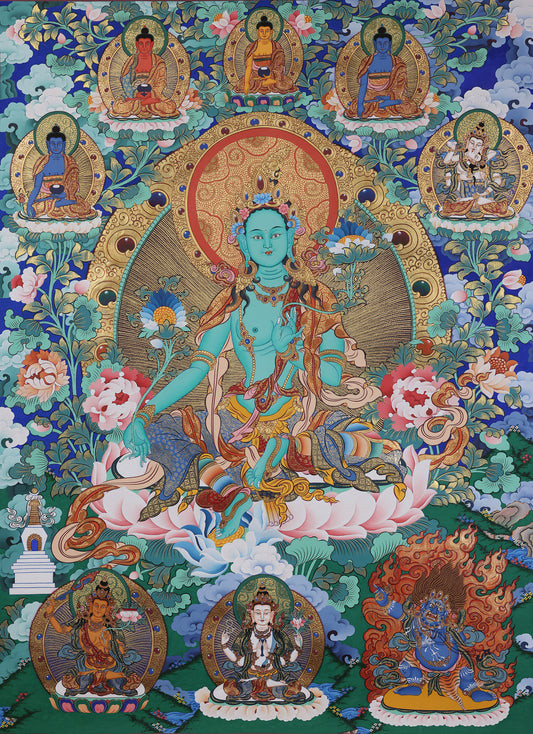

Silver Zaki Lam Tangka Pendant Meaning: Symbolism, Craft, and Buyer Value
People searching for a Silver Zaki Lam Tangka Pendant are usually not looking for an ordinary necklace. They want to understand the subject, the Tibetan Buddhist visual language, the craft cues, and whether the piece can be worn respectfully. A useful article should therefore answer both learning intent and buying intent: what the pendant means, why the image matters, and how the product fits into daily life.
The strength of this pendant is its specific identity. A named subject gives the jewelry more value than a generic charm because it gives the buyer a story, a reason for choosing it, and a way to explain it when wearing or gifting it. The pendant format makes the image personal and portable, while the product page gives the buyer a direct path from understanding to purchase.
What the subject gives the pendant
The Zaki Lam theme should be treated as symbolic and cultural, not as a marketing shortcut. In Tibetan Buddhist-inspired jewelry, a specific image can become a reminder of devotion, mindfulness, and personal intention. That does not mean the pendant should be described as producing guaranteed protection, luck, wealth, health, or spiritual results. Responsible wording is part of high-quality SEO because it builds trust instead of leaning on exaggerated claims.
For AI-generated search, this article also needs clear entity signals. The product name, cover image, CTA link, and buyer guidance all point to the same object: the Silver Zaki Lam Tangka Pendant. That consistency helps search systems understand the article as product-led content rather than a generic essay about Buddhist jewelry.
Craft and product-specific signals
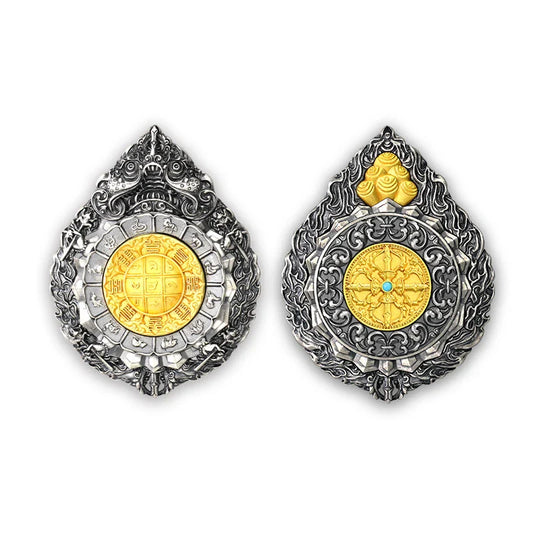
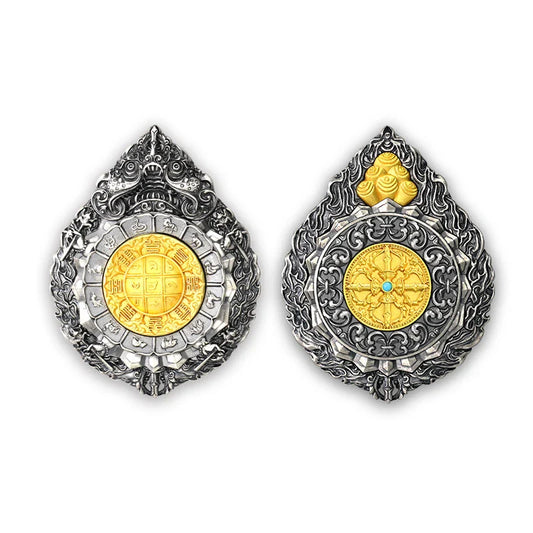
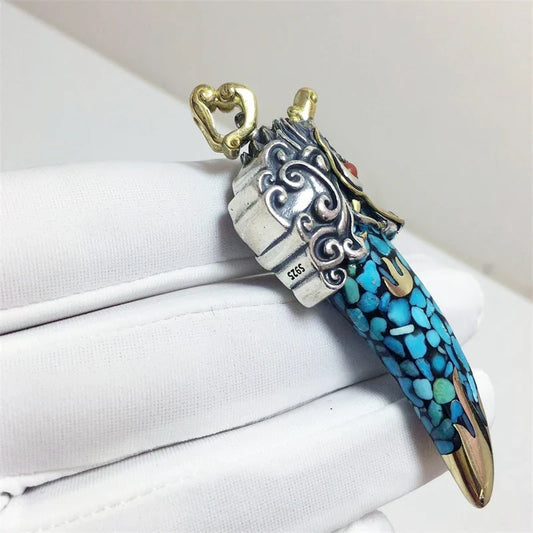
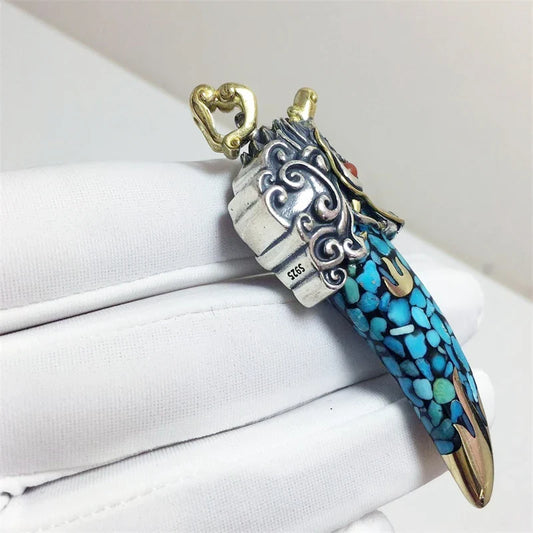
The product image presents the pendant as a small wearable artwork. A buyer should judge it differently from a wall thangka or statue. Look for image clarity, color balance, finish quality, and how the pendant might sit against clothing. Because jewelry is handled often, practical details matter: attachment point, surface durability, size impression, and storage needs.
Product-led content should stay close to the actual listing. It should not drift into unrelated objects, statues, or vague spiritual objects. The article should discuss the pendant as wearable Buddhist-inspired jewelry, connect it to the actual product URL, and make the CTA feel like a natural next step after the analysis.
Buyer value points
- The named Zaki Lam subject gives the pendant a clear symbolic identity.
- The silver pendant format makes the piece practical for daily wear, storage, collecting, or gifting.
- The cover image and CTA point to the same product, which improves trust.
- The article explains meaning with restraint instead of making exaggerated promises.
Search questions this article should answer
A strong product article should answer real shopper questions: What is the Silver Zaki Lam Tangka Pendant? What does the subject mean in Tibetan Buddhist-inspired jewelry? Is it appropriate to wear? How should it be stored? What should a buyer check before purchase? Those answers make the content useful for Google, readable for customers, and easier for generative search systems to summarize.
How to judge quality from the listing
A careful buyer should compare the pendant as both jewelry and symbolic art. The image should show the subject clearly, the title should match the product page, and the article should explain why the piece matters without using promise-heavy language. The best product-led content makes the shopper more informed before clicking, not more pressured.
Another important trust signal is consistency. The cover should show the same pendant that the CTA opens, and the article should not mention unrelated objects or generic Buddhist claims. When the image, subject, product URL, and buying advice all agree, the page feels edited and useful rather than assembled from a template.
Why the article should stay product-specific
The strongest content for this item should not drift into unrelated objects, statues, or broad thangka history. A shopper came here because the product is a pendant, the image is specific, and the purchase path is direct. Keeping the article focused on the Silver Zaki Lam Tangka Pendant makes the page more useful for customers and more understandable for search engines.
That focus also helps the article avoid the low-quality feel of repeated templates. The reader can see that the title, cover, CTA, and guidance all describe the same item.
Best fit
This pendant is best for someone who wants a meaningful Buddhist-inspired piece that can be worn, stored, collected, or gifted with context. It suits buyers who value specific iconography and prefer jewelry that carries a story. It is less suitable for someone who only wants a trend accessory with no interest in the subject.
Choose it if the image, symbolism, and wearable format all feel aligned. The strongest reason to buy is the combination of subject clarity, practical use, cultural meaning, and visual consistency.
For purchase confidence, compare the product image, title, and CTA before making a decision. The best choice is the one where the subject, finish, wearing comfort, and care routine all feel aligned. This keeps the article useful for real shoppers rather than repeating spiritual words without practical guidance.
This extra clarity also reduces bounce risk because the reader knows exactly why the pendant is being recommended and what to check next.
This keeps the page useful beyond the first click.
The pendant also works well as a gift when the giver includes a short explanation. That small note turns the purchase from an object into a story, which is often what makes symbolic jewelry memorable.
View Silver Zaki Lam Tangka Pendant
Schlagwörter:
Vorherige
How to Wear and Store a Zaki Lhamo Pendant Respectfully
Nächste
How to Choose a Silver Zaki Lam Tangka Pendant: Symbol, Material, and Fit