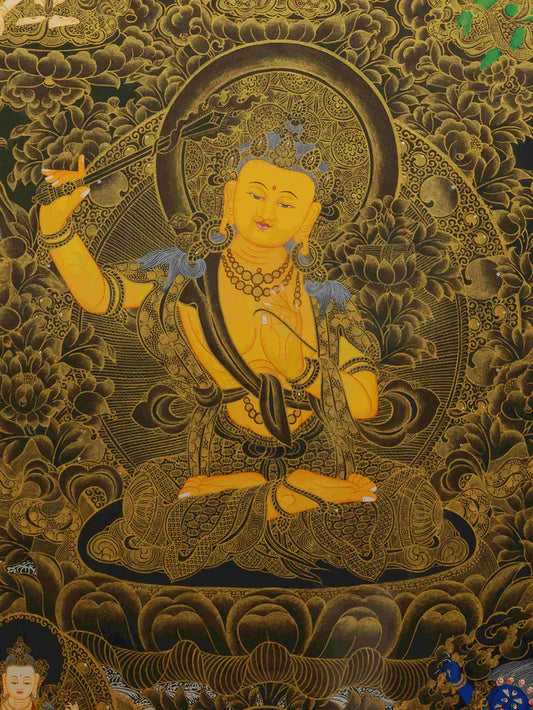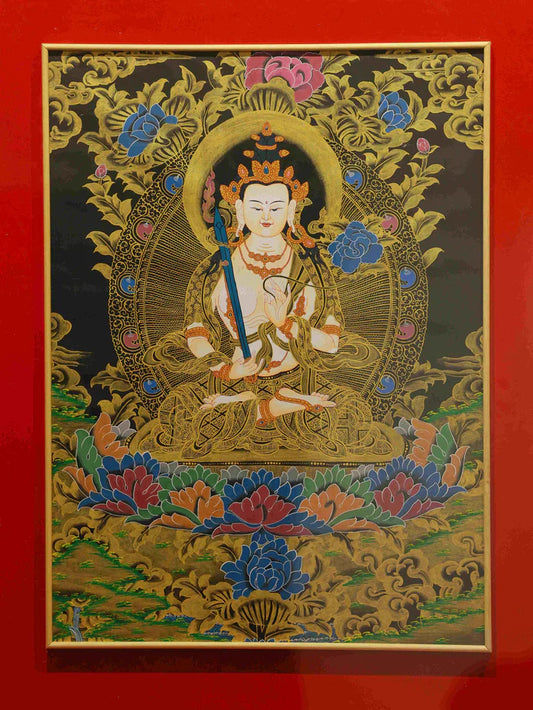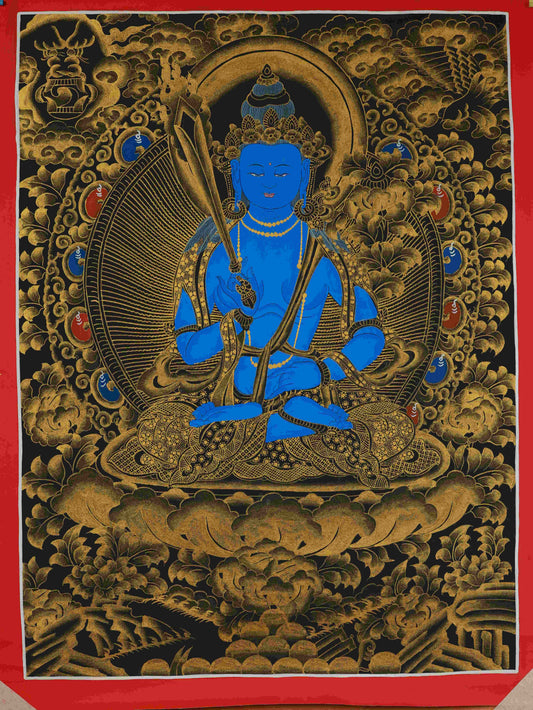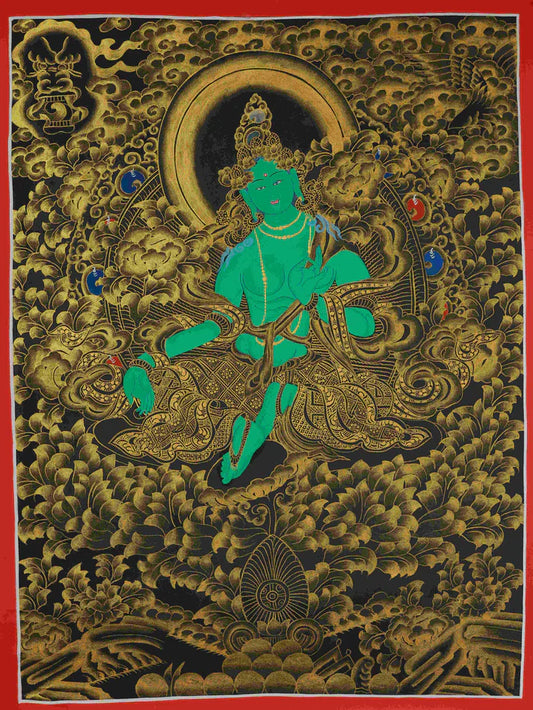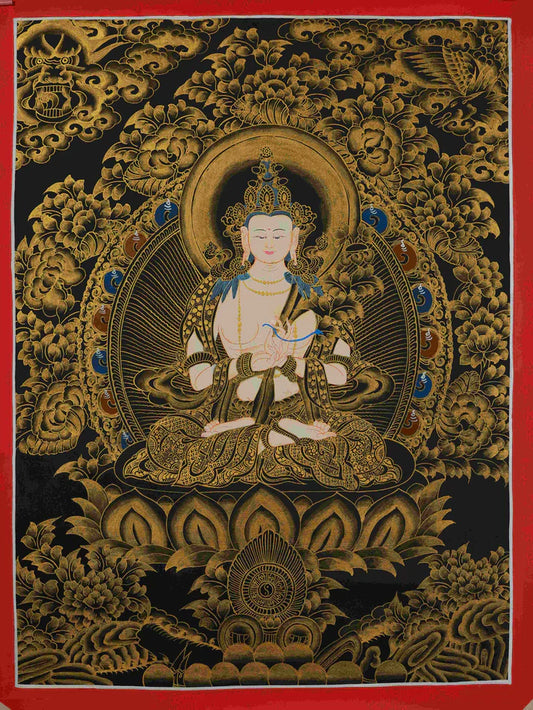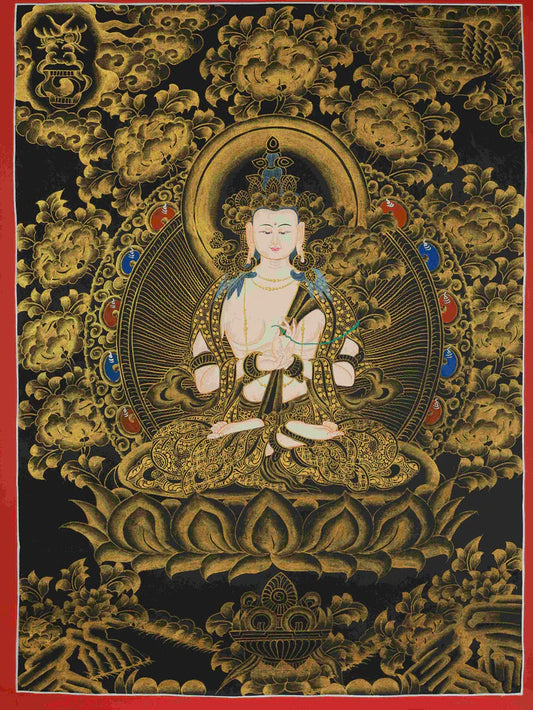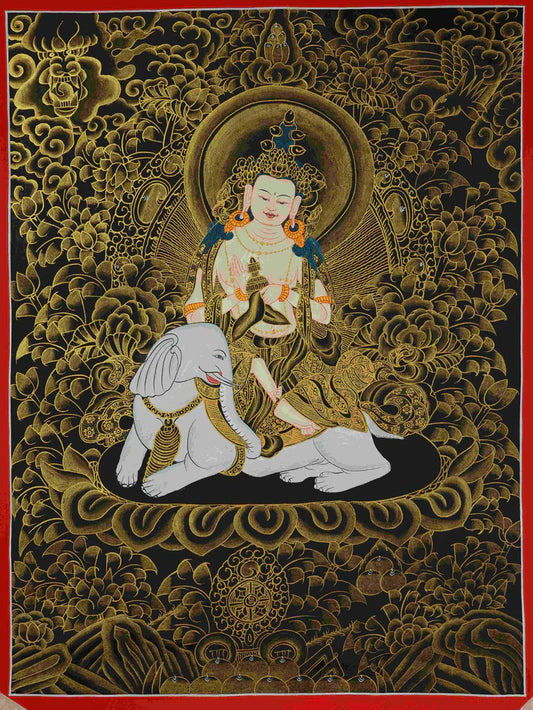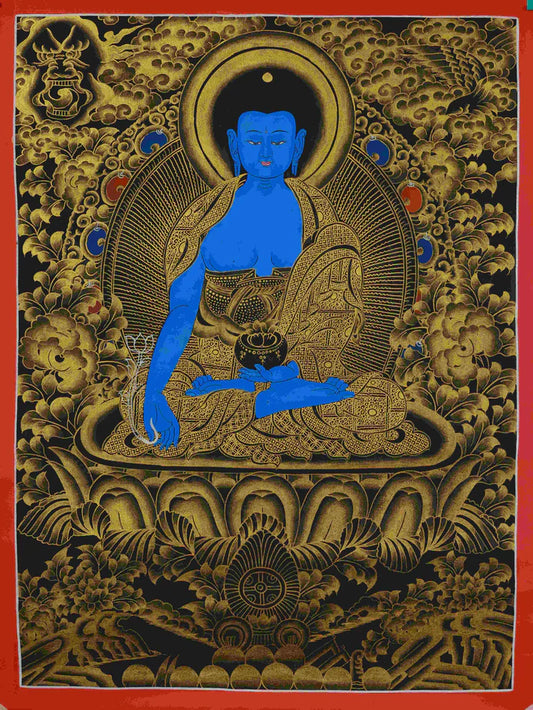
This Hand-Painted White Tara Thangka Hides a Life Guardian: “Compassionate Rescue + All-Round Wish Fulfillment”

The moment the pure white Tara wrapped in lotus blooms catches your eye, you’ll know: this isn’t just a thangka—it’s a living Tibetan Buddhist vessel that weaves “compassionate rescue” into every life wish. Every attendant deity, every flower, is a gentle promise to alleviate suffering and grant your heart’s desires.
1. This Isn’t Just a Regular “Tara Image”: White Tara Is Your “Wish-Fulfilling Messenger”
The White Tara at the core is the thangka’s “rescue hub”:
• Wish-Granting Mudra = a “wish receiver”: In Tibetan Buddhism, White Tara’s wish-granting mudra is a signal: “I actively catch all your wishes”—she’s not a distant deity, but a gentle guardian who helps you “tuck safety, health, and smooth fortune into daily life.”
• Udumbara Flower = a “rare peace charm”: The unique flower she holds is a metaphor: “The peace you crave will bloom steadily in your life, just like this rare flower.”
• White Lotus Throne = a “suffering filter”: Sitting atop a lotus means: “No matter how chaotic life gets, her compassion will lift you out and let you abide in calm.”
2. The Thangka’s “Hidden Protection Net”: Multiple Attendants + Auspicious Patterns = “Wrapping Wish Power Into Life”
What makes this thangka touching is its “Tara at the center, five attendants around” layout—it’s like an “all-round wish-fulfillment shield”:
• Top three deities = “the root of wish power”: The central Buddha (often Amitabha) is the “source of compassion,” while the side attendants add a double buff of wisdom + protection—it’s like stamping your wishes with a “reliable seal.”
• Bottom two deities = “wish accelerators”: The left red deity (merit booster) and right multi-armed deity (quick wish fulfiller) are helpers: “Your desired blessings will grow, and your hopes will come true faster”—it’s like hitting “fast-forward” on your wishes.
• Lotus + treasure bowl = “a landing mat for wish power”: The surrounding lotuses (purity) and the treasure bowl below (abundance) signal: “Rescue isn’t abstract—it turns into stability and prosperity in your daily life.”
3. The “Compassion Power” in Details: Hand-Painted Warmth = “Painting Tenderness Into Daily Moments”
The thangka’s value lies in every handcrafted detail:
• “Concentration of compassion” in mineral white: Tara’s white is blended from natural minerals, and the warm backdrop is layered stroke by stroke by the artist—every hue holds the focus of “may you be free from suffering,” a warmth no machine can replicate.
• “Weight of blessing” in golden halo: The gold-powder halo behind her symbolizes the highest protection in thangka tradition—every golden stroke turns Tara’s compassion into something visible, right beside you.
4. Why Choose a “Hand-Painted White Tara Thangka”?
Machine-printed “Tara art” can never match the “wish connection of hand-painting”:
• It’s a “wish switch for life”: Hang it in your bedroom as a guardian of “peaceful sleep”; hang it in the living room as an anchor for “family smooth fortune”—every glance is an invitation: “Let Tara’s compassion catch your wishes.”
• It’s a “buffer for suffering”: When life feels tangled or your hopes feel stuck, fix your eyes on White Tara—it’s like hearing: “Don’t rush. Suffering will fade, and your wishes will come true.”
Final Thought: The Essence of a White Tara Thangka Is “Compassion = Living Well”
The most touching thing about this thangka isn’t “mysterious miracles”—it simply tells you: Compassion isn’t an abstract concept; it’s “having someone hold your desire for stability and smooth fortune.”
It’s not an exhibit on a high shelf, but a “gentle companion beside you”—every time you see that white form and lotus bloom, you know: “Compassion is here, and so are your wishes and peace.”
Tags:
Previous
This Hand-Painted Shakyamuni Buddha Thangka Hides a Life Antidote: “Dharma Wisdom + Worldly Good Fortune”
Next
This Hand-Painted Green Tara Thangka Hides a Noble Guardian: “Compassionate Rescue + Auspicious Dignity”