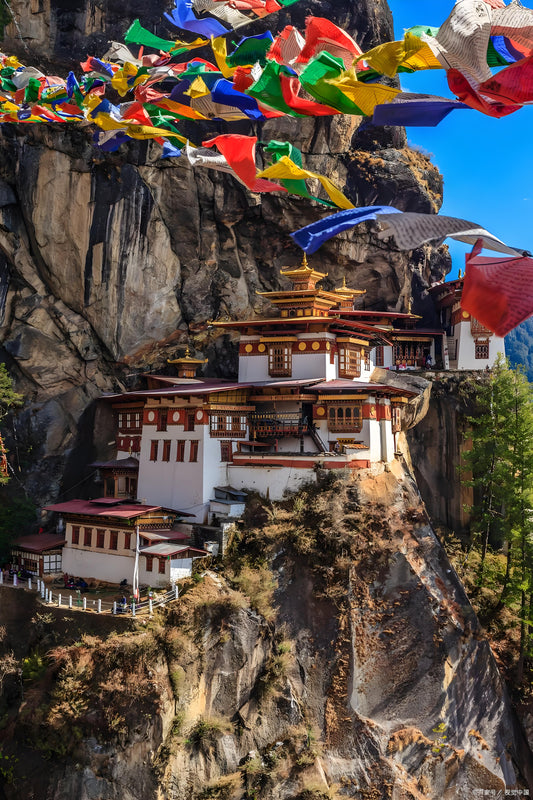
Tibetan Buddhism Deities & Faith System: A Deep Dive into Its Historical Context and Spiritual Core

Tibetan Buddhism, a vital branch of Mahayana Buddhism, carries a profound cultural connotation and a unique spiritual system. For centuries, its intricate deities system and profound faith logic have guided the spiritual life of countless people and become an indispensable part of Tibetan culture. In today's fast-paced society, where people are increasingly seeking spiritual sustenance, exploring the "Deities & Faith System" of Tibetan Buddhism is not only a way to understand a precious cultural heritage but also an opportunity to find resonance with modern spiritual needs. This article will take the historical context of Tibetan Buddhism as the main line, deeply dissect the classification of its deities system and the core logic of faith, and explore the connection between this ancient spiritual system and modern people's spiritual pursuits.

1. The Historical Context of Tibetan Buddhism: The Breeding Ground for the Formation of Deities and Faith System
To understand the deities and faith system of Tibetan Buddhism, we must first trace its historical origin. The formation and development of Tibetan Buddhism are closely linked to the social changes of Tibet and the integration of various cultures, and its deities system and faith logic are also constantly enriched and improved in this historical process.
1.1 The Introduction and Initial Development of Buddhism in Tibet (7th to 9th Centuries)
Buddhism was officially introduced to Tibet in the 7th century during the reign of Songtsen Gampo. To promote the spread of Buddhism, Songtsen Gampo married Princess Wencheng of the Tang Dynasty and Princess Bhrikuti of Nepal, who brought Buddha statues, scriptures and Buddhist relics to Tibet. During this period, temples such as the Jokhang Temple and Ramoche Temple were built, laying the initial foundation for the spread of Buddhism in Tibet. At this stage, the deities system of Tibetan Buddhism was in its infancy, mainly absorbing the Buddhist deities from India and the Central Plains, such as Sakyamuni Buddha, Avalokiteshvara Bodhisattva, etc. At the same time, it also began to integrate some local Bon deities, which laid the groundwork for the later formation of a diverse deities system.
1.2 The "Later Propagation of Buddhism" and the Formation of Sects (10th to 13th Centuries)
After a period of decline, Tibetan Buddhism ushered in the "Later Propagation of Buddhism" in the 10th century. A large number of Indian Buddhist masters came to Tibet to preach, and Tibetan monks also went to India to study in succession, which promoted the further development of Buddhism in Tibet. During this period, various sects of Tibetan Buddhism emerged one after another, such as Nyingma, Kagyu, Sakya, Gelug, etc. Each sect had its own inheritance system and doctrinal characteristics, which also led to the diversification and refinement of the deities system. Different sects worshipped different principal deities and protector deities, and the description and interpretation of deities were also more detailed. For example, the Nyingma Sect reveres Padmasambhava as the founder and regards him as an important deity, while the Gelug Sect takes Tsongkhapa as the core and worships a series of deities related to him.
1.3 The Integration with Political Power and the Consolidation of Faith (13th Century Onward)
Since the 13th century, Tibetan Buddhism has had close ties with the central government of China, and some sects have gained political support, which has further consolidated the status of Tibetan Buddhism in Tibet. During this period, the deities system and faith system of Tibetan Buddhism were more systematic. The temples were built on a large scale, and the statues, murals, and thangkas of deities became more abundant, forming a complete set of religious rituals and belief norms. The faith in deities was no longer only a personal spiritual pursuit but also integrated into the social life and cultural traditions of Tibet, becoming an important part of the national identity.

2. Classification of Tibetan Buddhism Deities System: A Profound and Diverse Pantheon
The deities system of Tibetan Buddhism is extremely complex and diverse, which is the result of the integration of Indian Mahayana Buddhism, local Bon religion, and other cultural elements. According to different standards, the deities can be divided into various categories. From the perspective of the core connotation of faith and the function of deities, they can be mainly divided into the following categories:
2.1 Buddhas: The Symbol of Enlightenment and Perfection
Buddhas are the highest level in the deities system of Tibetan Buddhism, representing the state of complete enlightenment and perfection. They have attained the ultimate truth of the universe and life and are the objects of admiration and pursuit of believers. In Tibetan Buddhism, there are numerous Buddhas, among which the most widely worshipped are Sakyamuni Buddha, Amitabha Buddha, Medicine Buddha, etc.
Sakyamuni Buddha is the founder of Buddhism. He attained enlightenment under the Bodhi tree and preached the Dharma to save all beings. In Tibetan Buddhist temples, Sakyamuni Buddha's statues are usually placed in the main hall, with a solemn and compassionate appearance. Amitabha Buddha is the main Buddha of the Western Pure Land. Believers believe that by reciting Amitabha Buddha's name sincerely, they can be reborn in the Western Pure Land after death. Medicine Buddha is regarded as the healer of all beings' physical and mental illnesses. Believers pray to Medicine Buddha for good health and the elimination of disasters.
The Buddhas in Tibetan Buddhism are not only abstract symbols of enlightenment but also have specific images and myths. Their existence provides believers with a spiritual goal, guiding them to move towards the path of enlightenment through practice.
2.2 Bodhisattvas: The Messengers of Compassion and Altruism
Bodhisattvas are deities who have attained a high level of enlightenment but are unwilling to enter nirvana alone. They vow to save all beings from suffering and are the embodiment of compassion and altruism. In the deities system of Tibetan Buddhism, Bodhisattvas occupy an important position, and their influence even exceeds that of some Buddhas among the people.
Avalokiteshvara Bodhisattva is the most widely worshipped Bodhisattva in Tibetan Buddhism. In Tibetan culture, Avalokiteshvara Bodhisattva is usually depicted as having multiple arms and eyes, which symbolize his ability to perceive the sufferings of all beings in the world and extend his help to them. The "Six-Syllable Mantra" (Om Mani Padme Hum) of Avalokiteshvara Bodhisattva is the most commonly recited mantra by Tibetan believers. They believe that reciting the mantra can accumulate merit and eliminate karma.
In addition to Avalokiteshvara Bodhisattva, Manjushri Bodhisattva (symbolizing wisdom), Samantabhadra Bodhisattva (symbolizing virtue), and Ksitigarbha Bodhisattva (symbolizing saving sentient beings in hell) are also important Bodhisattvas in Tibetan Buddhism. Each Bodhisattva has its own unique vow and function, providing believers with different spiritual sustenance.
2.3 Dharma Protectors: The Guardians of the Dharma and Believers
Dharma protectors are an important part of the deities system of Tibetan Buddhism, responsible for protecting the Dharma, temples, and believers from evil forces. The origin of Dharma protectors is relatively complex, some are transformed from Buddhist deities, some are absorbed from Indian Hindu deities, and more are integrated from local Bon deities. According to their nature, Dharma protectors can be divided into peaceful Dharma protectors and wrathful Dharma protectors.
Peaceful Dharma protectors are usually depicted with a gentle and benevolent appearance, such as Vaishravana (one of the Four Heavenly Kings). They protect the Dharma through peaceful means and bring blessings to believers. Wrathful Dharma protectors, on the other hand, have a fierce appearance, with angry eyes, fangs, and holding various weapons. They are used to subdue demons and evil spirits. For example, Palden Lhamo, the main Dharma protector of the Gelug Sect, is depicted as riding a mule, with a fierce expression. Although their appearance is terrifying, their essence is to protect the Dharma and believers, and they are regarded as the loyal guardians of the Buddhist faith.
2.4 Guru Deities: The Inheritors and Guides of the Dharma
Guru deities, also known as spiritual masters, are an important part of the deities system of Tibetan Buddhism, especially in the Vajrayana tradition. They are regarded as the inheritors and guides of the Dharma, and their status is even higher than that of some Buddhas and Bodhisattvas in the hearts of believers. The most representative guru deities include Padmasambhava, Tsongkhapa, etc.
Padmasambhava, also known as Guru Rinpoche, is the founder of the Nyingma Sect. He played a crucial role in the initial spread of Buddhism in Tibet. He subdued local evil spirits and integrated Bon culture into Buddhism, laying the foundation for the formation of Tibetan Buddhism. Believers regard Padmasambhava as a living Buddha who can save all beings, and his statues and thangkas are widely worshipped in Tibetan temples and families.
Tsongkhapa is the founder of the Gelug Sect. He advocated the reform of Tibetan Buddhism, emphasizing strict monastic discipline and systematic study of the Dharma. He is regarded as the embodiment of wisdom and virtue, and his disciples and followers worship him as a guru deity. The festivals commemorating Tsongkhapa, such as Losar and Monlam Prayer Festival, are important religious festivals in Tibet.

3. The Core Logic of Tibetan Buddhism Faith System: From Karma Retribution to Enlightenment
The deities system of Tibetan Buddhism is not a random collection of deities, but a systematic faith system constructed around the core logic of "karma retribution" and "enlightenment". This core logic runs through the entire process of believers' faith and practice, and also determines the relationship between believers and deities.
3.1 Karma Retribution: The Foundation of Faith
Karma retribution is the basic concept of Tibetan Buddhism and the foundation of its faith system. Tibetan Buddhism holds that all beings' behaviors (body, speech, mind) will generate karma, which can be divided into good karma and bad karma. Good karma will bring happiness and good fortune, while bad karma will lead to suffering and misfortune. The cycle of birth and death (samsara) is driven by karma, and all beings are trapped in samsara due to their ignorance and karma.
In the faith system of Tibetan Buddhism, deities are not the creators of karma, but the witnesses and promoters of karma retribution. Believers believe that by worshipping deities, reciting mantras, and practicing good deeds, they can accumulate good karma, eliminate bad karma, and thus change their destiny. For example, believers donate to temples, help the poor, and recite the mantra of Avalokiteshvara Bodhisattva, hoping to gain the blessing of deities and accumulate good karma for themselves and their families.
3.2 Compassion and Altruism: The Core of Faith Practice
Compassion and altruism are the core of Tibetan Buddhism's faith practice and the key to breaking free from samsara. Tibetan Buddhism advocates that believers should not only pursue their own liberation but also care about the sufferings of all beings and try their best to help them. This spirit of compassion and altruism is embodied in the vows and behaviors of Bodhisattvas, who are the models for believers to learn from.
Avalokiteshvara Bodhisattva's vow of "not attaining Buddhahood until all beings are saved" is the most typical embodiment of compassion and altruism. Believers learn from Bodhisattvas, practice compassion, and help others, which is not only a way to accumulate good karma but also an important step towards enlightenment. In Tibetan society, the spirit of compassion and altruism is reflected in various aspects, such as the mutual help among villagers, the charity activities of temples, etc.
3.3 Enlightenment: The Ultimate Goal of Faith
The ultimate goal of Tibetan Buddhism's faith system is to attain enlightenment and escape from samsara. Enlightenment means attaining the ultimate truth of the universe and life, eliminating ignorance and karma, and achieving a state of peace and freedom. In Tibetan Buddhism, Buddhas are the models of enlightenment, and Bodhisattvas are on the path to enlightenment.
Believers believe that through systematic practice (such as studying scriptures, meditating, reciting mantras, etc.) and the guidance and blessing of deities and gurus, they can gradually eliminate their ignorance and karma, and finally attain enlightenment. The path to enlightenment is not easy, requiring long-term persistence and strict self-discipline. Different sects of Tibetan Buddhism have different practice methods, but their ultimate goal is the same.

4. The Connection Between Tibetan Buddhism Deities & Faith System and Modern Spiritual Needs
In today's modern society, with the rapid development of science and technology and the acceleration of the pace of life, people are facing various pressures and troubles, such as work pressure, interpersonal conflicts, and the confusion of spiritual values. The deities and faith system of Tibetan Buddhism, with its profound spiritual connotation, can provide certain spiritual comfort and guidance for modern people, and has a unique value in meeting modern spiritual needs.
4.1 Alleviating Anxiety and Providing Spiritual Comfort
Modern people are often in a state of anxiety due to the pressure of life and work. The faith system of Tibetan Buddhism advocates that people should let go of their desires and attachments, face life with a peaceful mind. By worshipping deities, reciting mantras, and meditating, believers can adjust their mentality, calm their emotions, and alleviate anxiety.
For example, the practice of meditation in Tibetan Buddhism can help people focus their attention, get rid of the interference of external trivial matters, and achieve inner peace. Many modern people, even if they are not devout believers, will learn Tibetan Buddhist meditation methods to relieve stress. The compassion and benevolence embodied by deities such as Avalokiteshvara Bodhisattva can also give people spiritual comfort, making them feel that they are not alone in the face of difficulties.
4.2 Guiding Values and Promoting Moral Improvement
In the process of modernization, some people have problems such as the loss of values and the decline of morality. The faith system of Tibetan Buddhism advocates good deeds, compassion, and altruism, which can provide positive value guidance for modern people.
Tibetan Buddhism teaches people to respect life, care for others, and be grateful for life. These concepts are consistent with the universal moral norms of human society. By learning the teachings of Tibetan Buddhism, people can establish correct values, improve their moral quality, and promote the harmony of society. For example, the spirit of charity in Tibetan Buddhism encourages people to help the poor and the weak, which is of great significance for narrowing the gap between the rich and the poor and promoting social equity.
4.3 Promoting the Harmony Between Man and Nature
Modern society is facing serious environmental problems, and the relationship between man and nature has become increasingly tense. Tibetan Buddhism advocates the harmony between man and nature, believing that all beings are equal and that man should respect and protect nature.
In Tibetan culture, mountains, rivers, forests, and other natural phenomena are regarded as the residence of deities, and people have a natural reverence for nature. This concept of revering nature has been deeply rooted in the hearts of Tibetan people, prompting them to take good care of the natural environment. For modern people, this concept of harmony between man and nature is of great enlightenment. It can help people establish a correct view of the environment and promote the sustainable development of society.

5. Conclusion: The Inheritance and Value of Tibetan Buddhism Deities & Faith System
The deities and faith system of Tibetan Buddhism is a precious cultural heritage formed through thousands of years of historical accumulation. It is not only a complex and diverse pantheon but also a systematic spiritual system with karma retribution, compassion and altruism, and enlightenment as its core logic. This system has played an important role in guiding the spiritual life of Tibetan people and shaping Tibetan culture.
In modern society, although the living environment and way of life of people have undergone great changes, the spiritual connotation of Tibetan Buddhism's deities and faith system still has strong vitality. It can provide spiritual comfort for modern people, guide values, and promote the harmony between man and nature. However, it should be noted that when exploring and inheriting the deities and faith system of Tibetan Buddhism, we should adhere to the principle of objectivity and rationality, distinguish between religious beliefs and feudal superstition, and protect the legitimate religious activities of believers in accordance with the law.
In the future, with the further exchange and integration of different cultures, the deities and faith system of Tibetan Buddhism will continue to show its unique charm and value. It will not only be an important part of Tibetan culture but also make positive contributions to the spiritual civilization construction of human society.
Do you have a specific aspect of Tibetan Buddhism's deities and faith system that you want to explore in more depth? For example, the differences in deities worship among different sects, or the specific methods of combining Tibetan Buddhist practice with modern life?
Tags: