This Hand-Painted Guru Thangka Hides the Pure Blessings of "Dharma Lineage Transmission + Direct Blessings"
wudimeng-Nov 29 2025-
0 comentarios
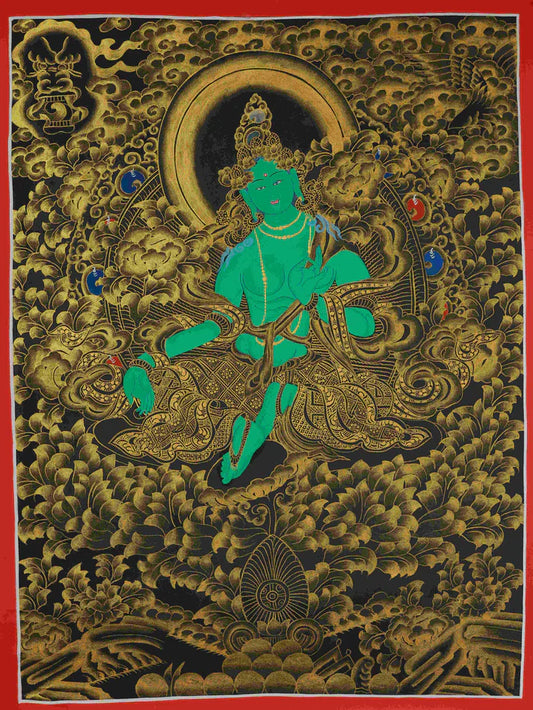
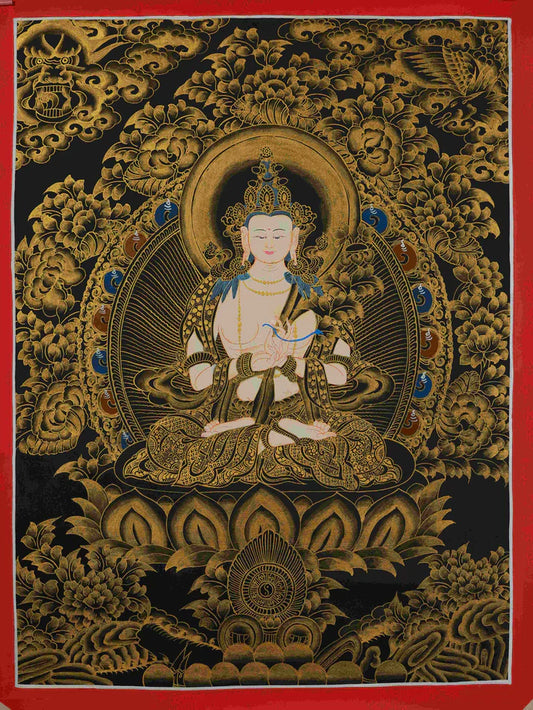
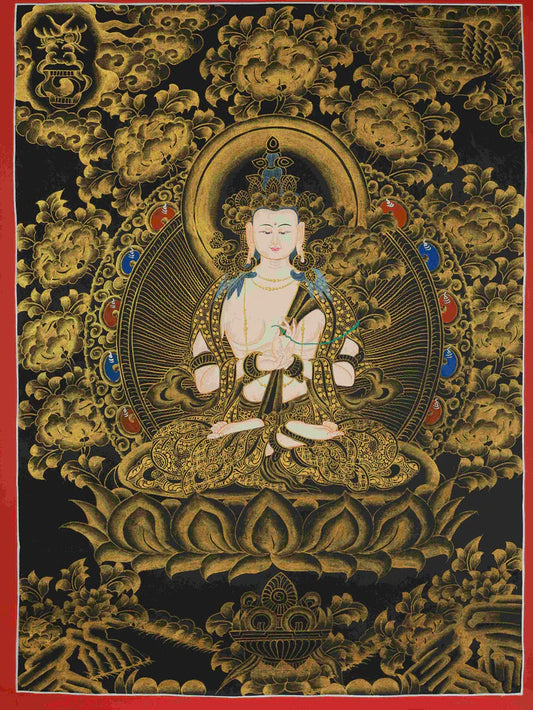
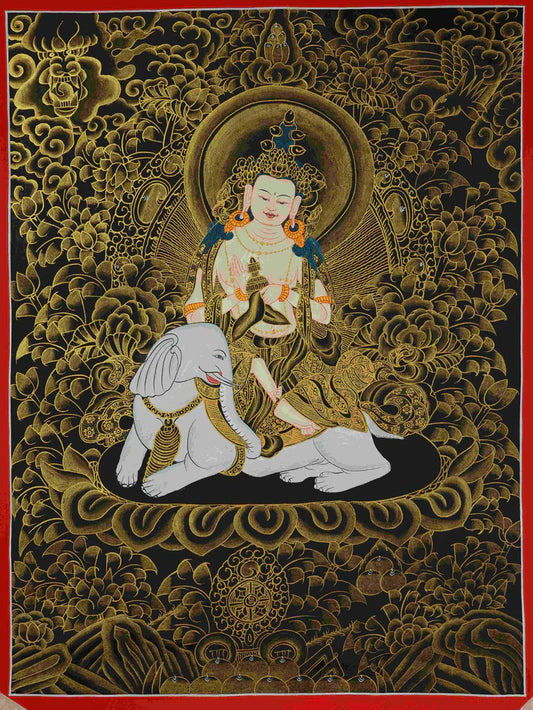
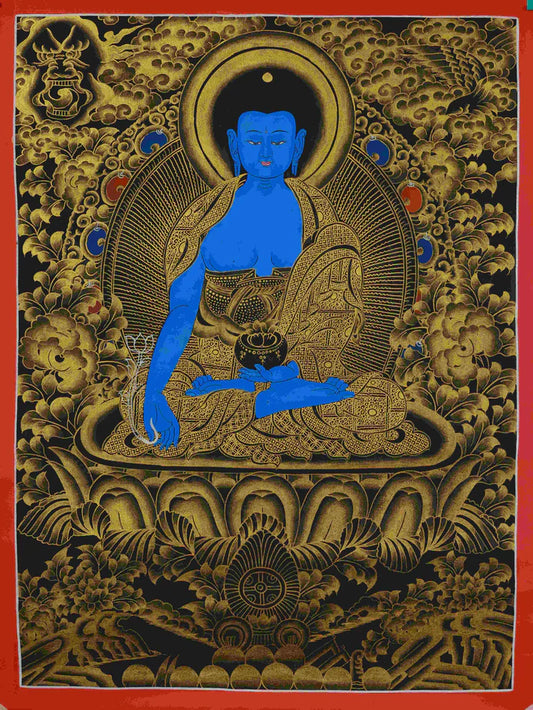
When you gaze at this thangka, you’re not just looking at an ornate religious painting—it’s a living vessel of Tibetan Buddhism, where the guru acts as a bridge between the Dharma and sentient beings. Every line holds a wish for "unbroken dharma lineage and abundant blessings."
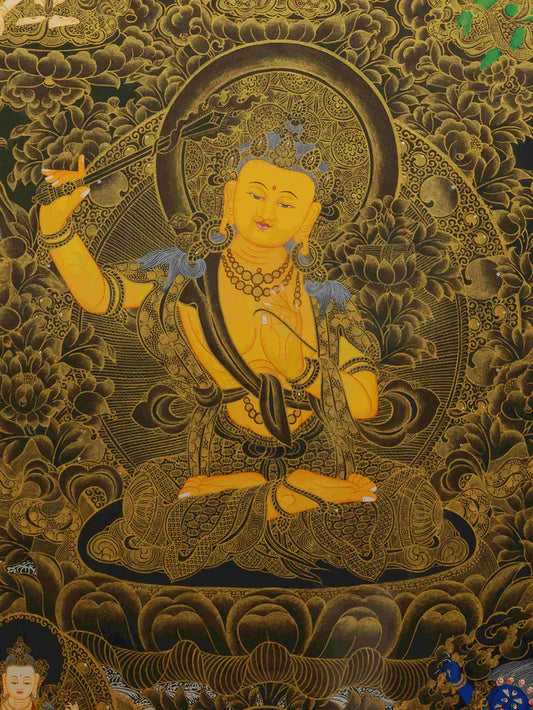
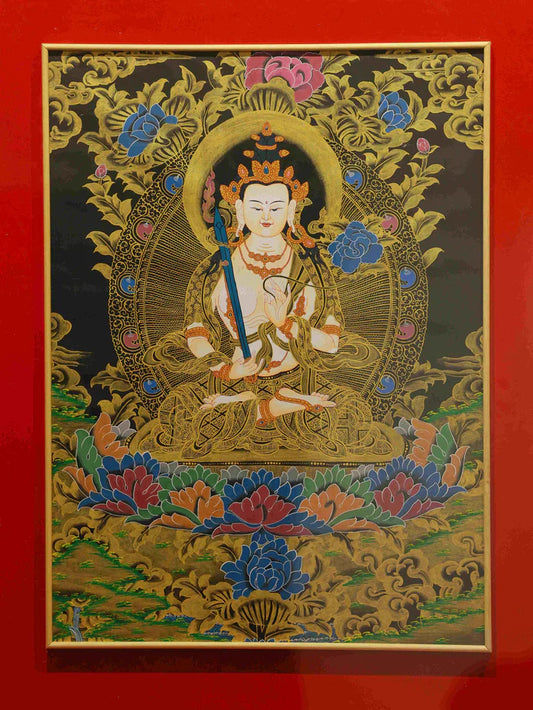
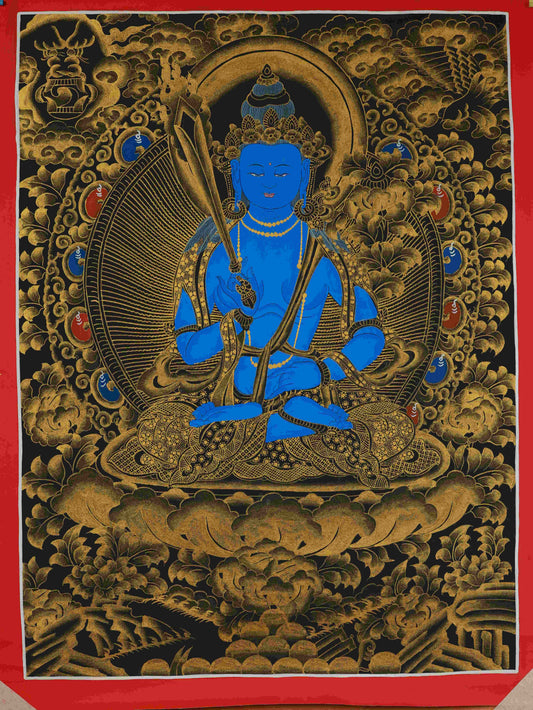
The central deity is Padmasambhava (or a Tibetan lineage guru)—he’s never a distant icon, but the core link that brought the Dharma to Tibet and connects sentient beings to wisdom:
-
Ritual tools are "blessing codes": His right hand holds a vajra (symbolizing the subjugation of afflictions and obstacles); his left hand supports an amrita vase (representing blessings and merit flowing to all beings like nectar).
-
His posture holds "worldly warmth": The half-lotus seat (instead of a full lotus) reflects the guru’s "approachability and commitment to liberating worldly beings"—his blessings aren’t lofty favors, but down-to-earth protection.
-
Ornaments signify "dharma lineage identity": Adorned with a jewel crown and garlands, he embodies both dignity and the "blessings of the Five Buddhas and Bodhisattvas"—to connect with him is to receive the power of the entire dharma lineage.
The arrangement of deities in this thangka forms a full "dharma lineage blessing system":
The two figures at the top are the "foundation" of the guru’s blessings:
- Left (Buddha): Represents the "root of the Dharma"—the guru’s blessings are an extension of the Buddha’s teachings.
- Right (Bodhisattva, e.g., Four-Armed Chenrezig): Symbolizes "compassionate protection"—the guru’s work to liberate beings is rooted in Chenrezig’s great compassion.
The two disciples/attendants at the bottom are the "transmitters" of the guru’s lineage:
- Left (monastic disciple with ritual tools): Stands for the "disciplined transmission of the Dharma."
- Right (figure with mudra): Represents the "lineage benefiting lay beings"—the guru’s blessings aren’t just for practitioners, but for anyone seeking connection to the Dharma.
The thangka’s patterns are never "excess decor":
-
Peonies around the guru = full merit: Large peonies wrapped around the central figure are a blessing for "abundant life and unlacking merit."
-
Lotus base = pure dharma lineage: All deities sit on lotus thrones, meaning "the guru’s lineage is wisdom free of defilement."
-
Clouds supporting deities = smooth transmission: Clouds cradling the Buddha and Bodhisattva convey the wish that "the dharma lineage flows smoothly from the Buddha, to the guru, to you."
Machine-printed art can never replicate the "devotional warmth of hand-painting":
-
"Blessing power" of mineral pigments: Artists layer gold powder, cinnabar, and turquoise powder by hand—every hue carries the focus of "may you receive the guru’s blessings."
-
More than decor: a "living dharma lineage connection": In Tibet, guru thangkas are "anchors for home and spirit"—hang it in your study for "growing wisdom," in your living room for "family protection," and every glance becomes a moment of connection to the guru’s lineage.
The most touching part of this thangka is its message: the guru’s blessings aren’t "mysterious miracles," but "pure wisdom and stable merit in your daily life."
It’s not an icon to be stored away, but a "lineage link beside you"—every time you see it, you’re reminded: you and the pure Dharma are never far apart.