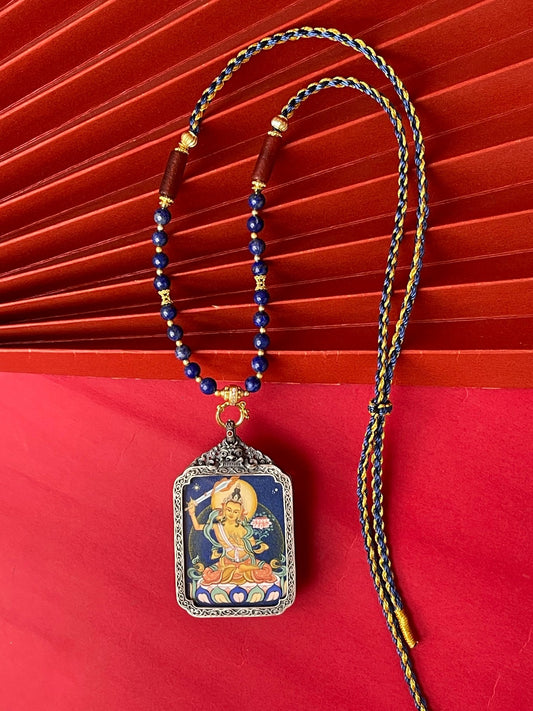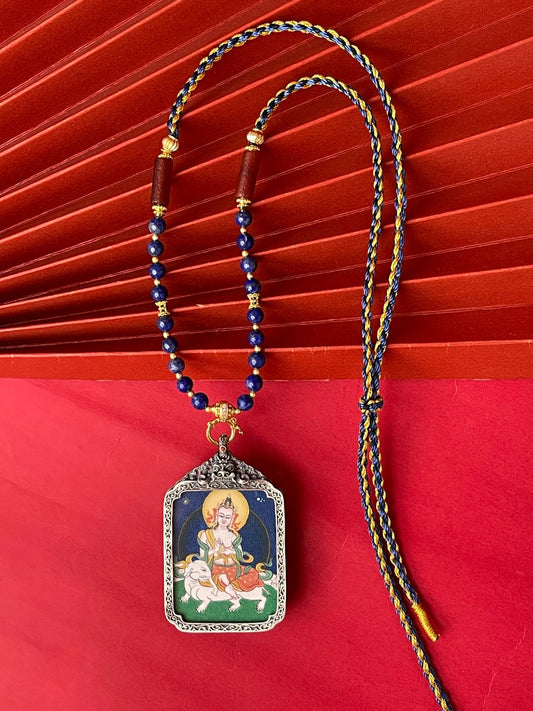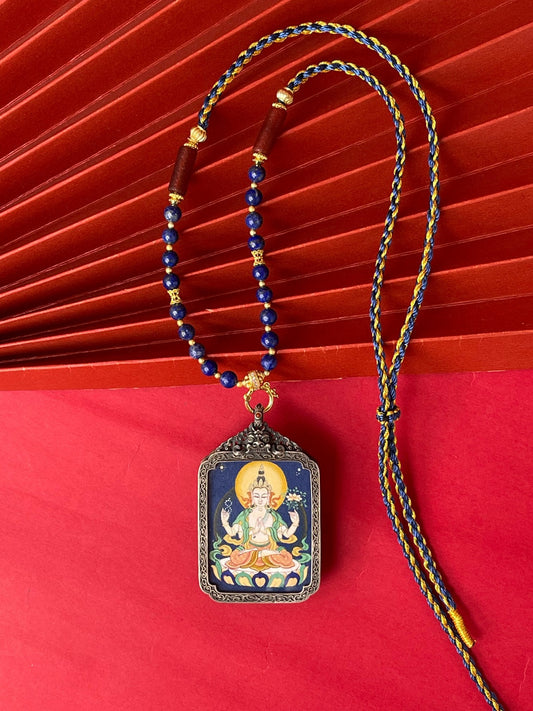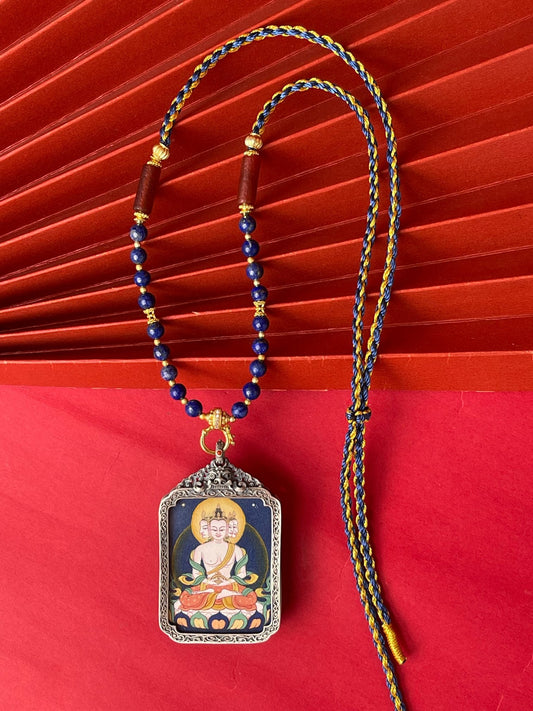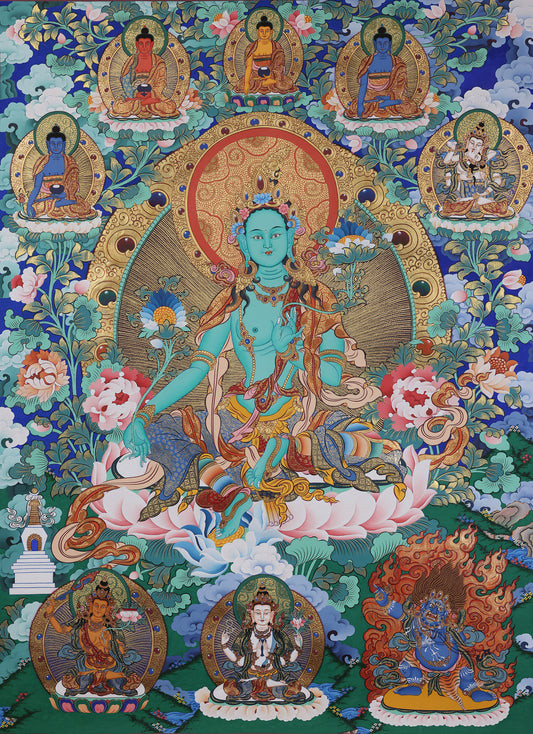

Why Vajrabhairava (Yamantaka)?
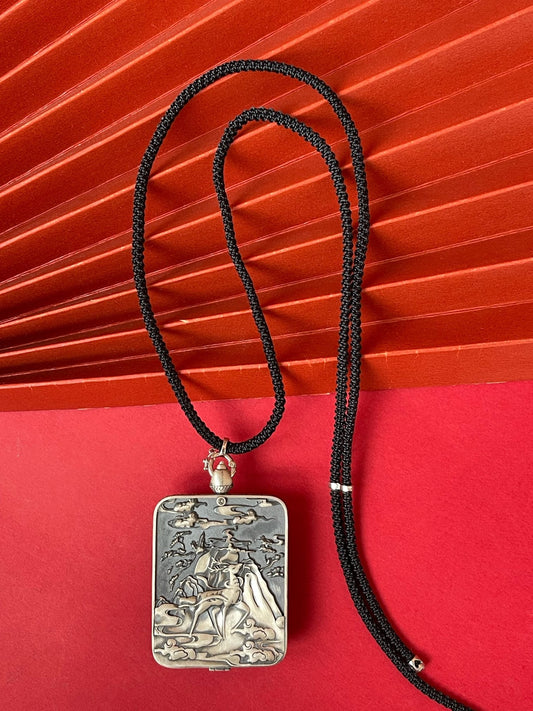
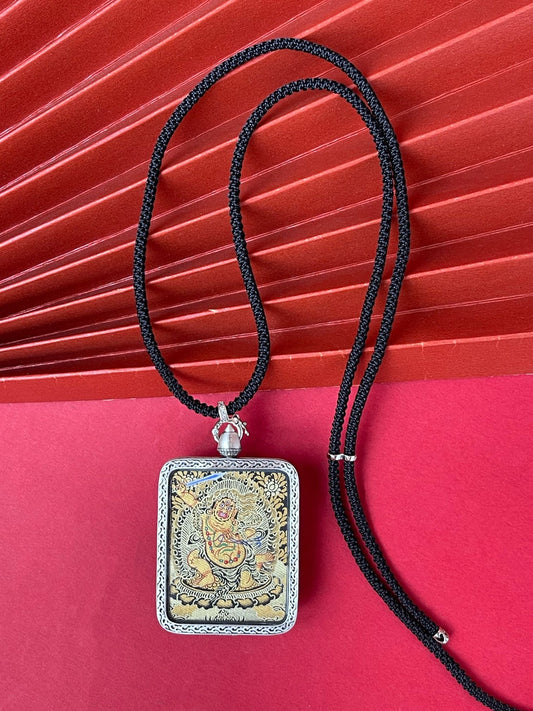
In Tibetan Buddhism, Vajrabhairava (Sanskrit: Vajrabhairava; Tibetan: Jikje) is the fierce form of Manjushri—the wrathful emanation of wisdom that conquers death and ignorance. He is also known as Yamantaka, "the Conqueror of Death." Practitioners invoke Vajrabhairava to remove obstacles, increase merit and wisdom, accomplish supreme deeds, cut negative ties, and purify one's personal magnetic field. A 4x5cm Nepal Thangka pendant of Vajrabhairava brings his fierce blessing into daily life—a support for those who wish to overcome hindrances and to purify their environment and mind. This article covers his role, his image in Thangka art, the materials used in Nepal pendants, and how to wear and care for your pendant.
Vajrabhairava: Fierce Wisdom Deity and Conqueror of Death
Vajrabhairava is typically depicted with multiple faces (often nine) and multiple arms (often thirty-four), symbolising the conquest of death and ignorance and the protection of the Dharma from all directions. He holds various implements—knife, skull cup, ritual implements—each with a specific meaning. His complexion is often dark blue or black, and his expression is fierce but purposeful. In Nepal Thangka painting, the lineage preserves a distinct style that emphasises clarity of implements and fierce expression. Practitioners invoke him to remove obstacles and to purify one's field—the personal and environmental conditions that affect one's practice and well-being. Wearing his image is a way to connect with that fierce wisdom and to remind yourself that obstacles can be overcome and negativity can be transformed.
The Image: What to Look For in a Vajrabhairava Nepal Pendant
In authentic Nepal Thangka iconography, Vajrabhairava should be clearly recognisable: fierce expression, multiple faces and arms with correct implements, and correct posture (often standing on obstacles or demons). When painted on a small 4x5cm pendant, the artist must keep the iconography accurate—the number of faces and arms may be simplified but should follow lineage conventions. A good pendant should convey both his fierce power and his role as the Conqueror of Death. When choosing one, look for clear implements, a purposeful (not merely angry) expression, and careful detail in the painting. Avoid pendants where the implements or faces are vague or incorrect; these may not follow lineage standards.
Mineral Pigments and Titanium Steel Casing
Authentic Nepal Thangkas use mineral pigments—lapis lazuli, malachite, cinnabar, and gold—with traditional binders. These pigments are chemically stable and can last for decades or more with proper care, so the blessing of the image endures. The pendant is typically mounted in dual-face titanium steel casing, which protects the painting from moisture, impact, and daily wear while keeping the piece lightweight. When selecting a Vajrabhairava Nepal pendant, ask about the pigments and the painter's lineage; this helps you assess both authenticity and longevity. A certificate or documentation from the supplier can provide additional assurance.
Wearing and Caring for Your Vajrabhairava Pendant
A Vajrabhairava Nepal Thangka pendant is suitable for daily wear as a support for obstacle removal and purification. Respect and clear intention matter more than elaborate ritual. Many practitioners wear it when facing obstacles or when they wish to purify their environment and mind. Avoid wearing it in the shower, while swimming, or during heavy exercise to protect the casing and the painting. When not worn, keep it in a soft pouch or a clean, dry place, away from direct sunlight. The pendant can serve as a reminder of the Conqueror of Death and the possibility of removing obstacles and purifying one's field through fierce wisdom and right action.
A Vajrabhairava (Yamantaka) Nepal Thangka pendant is both a symbol of fierce wisdom and obstacle removal in Tibetan Buddhism and a durable sacred object when made with mineral pigments and titanium steel. From his role and iconography to materials and care, each aspect affects its meaning and its lifespan. If you are looking for a wearable support for obstacle removal and purification, start by understanding Vajrabhairava's role, then choose a pendant that reflects solid craftsmanship and a clear Nepal lineage.
#Vajrabhairava #Yamantaka #NepalThangka #ConquerorOfDeath #TibetanBuddhism #SacredJewelry #ProtectionAmulet #ThangkaPendant #ObstacleRemoval #TibetanBuddhistArt
Tags:
Previous
Four-Armed Avalokiteshvara Rebgong Thangka Pendant: The Embodiment of Great Compassion
Next
White Tara Buddha Hand Thangka Pendant: The Goddess of Longevity and Liberation