Zaki Lhamo Pendant Meaning: Symbolism, Craft, and Buyer Value
People searching for a Zaki Lhamo pendant are usually looking for more than a decorative necklace. They want to understand the subject, the devotional identity, the visual style, and whether the piece can be worn respectfully. A useful product article should therefore answer both sides of the search: what the pendant means and why this specific product may be worth considering.
Zaki Lhamo is a subject connected with Tibetan Buddhist visual culture, and the pendant format makes that imagery personal and wearable. For buyers, the appeal is not only the color or shape. It is the ability to keep a recognizable Buddhist-inspired image close in daily life, while still treating the piece as something meaningful rather than casual decoration.
What the subject gives the pendant
The strongest selling point is the subject itself. A pendant with a specific deity or protective figure has more identity than a generic charm. It gives the buyer a story to understand, a reason for choosing the piece, and a way to explain it when gifting or wearing it. That clarity is useful for human readers and for AI-generated search because it connects the product name, image, article, and CTA into one coherent entity.
Responsible wording matters. Traditional associations should be presented as symbolism, devotion, and cultural meaning, not as guaranteed promises of wealth, health, protection, or fixed spiritual results. This restraint makes the content more trustworthy and protects the article from sounding like low-quality spiritual marketing.
Craft and product-specific signals
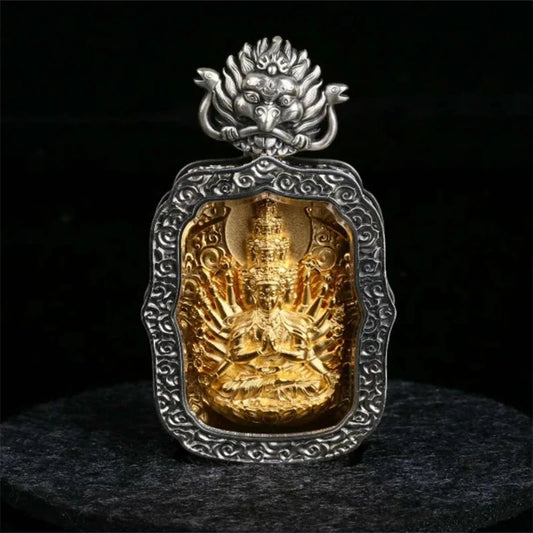
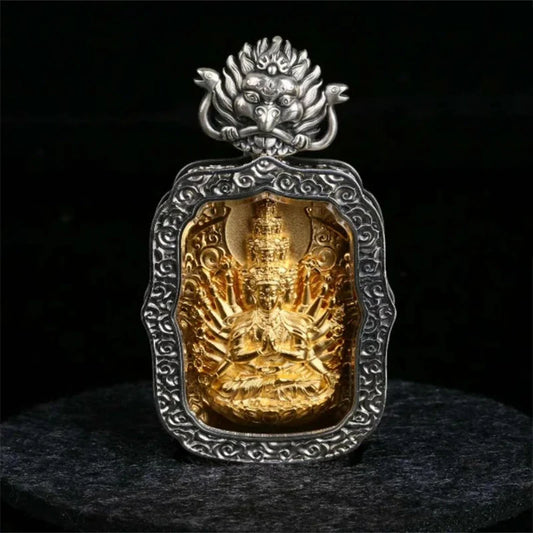
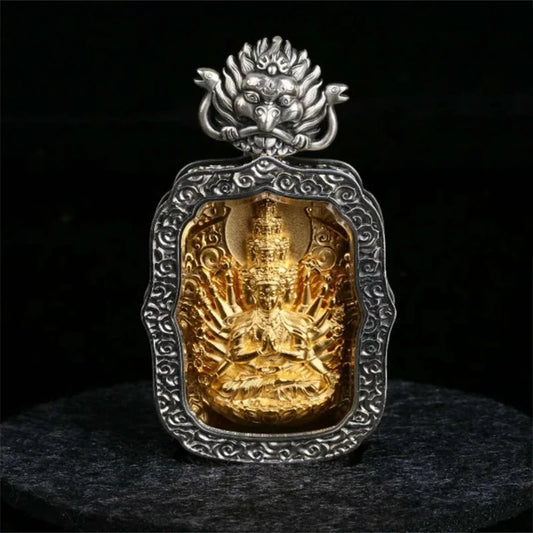
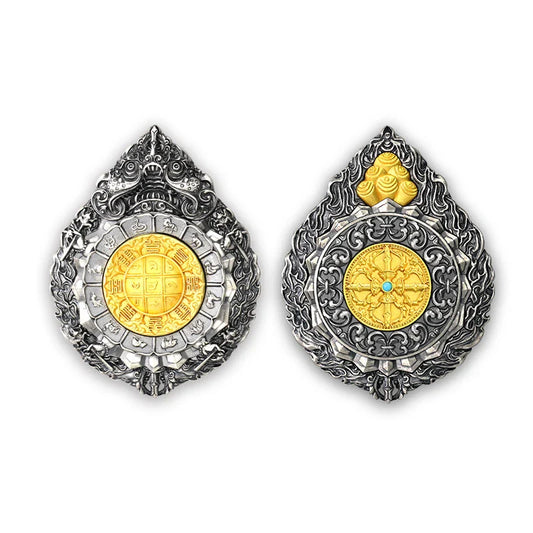
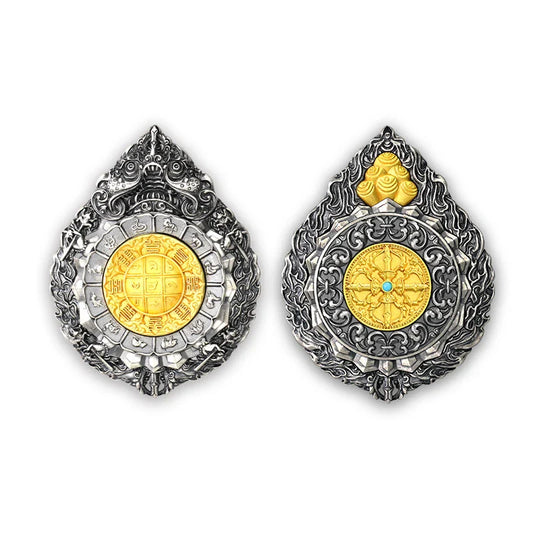
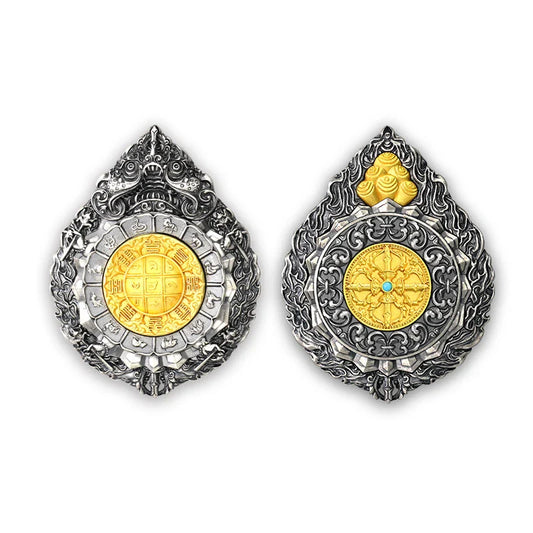
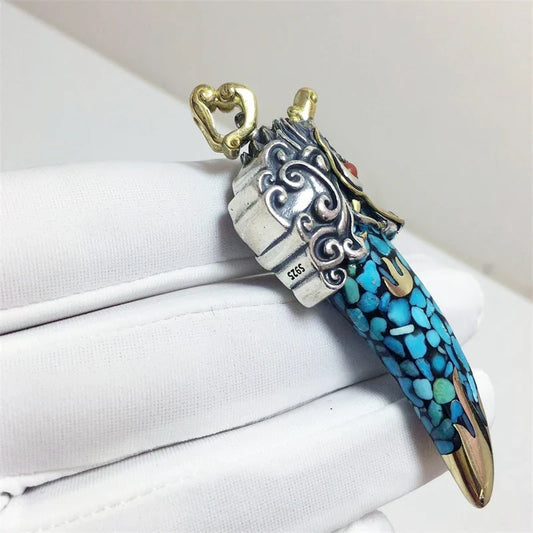
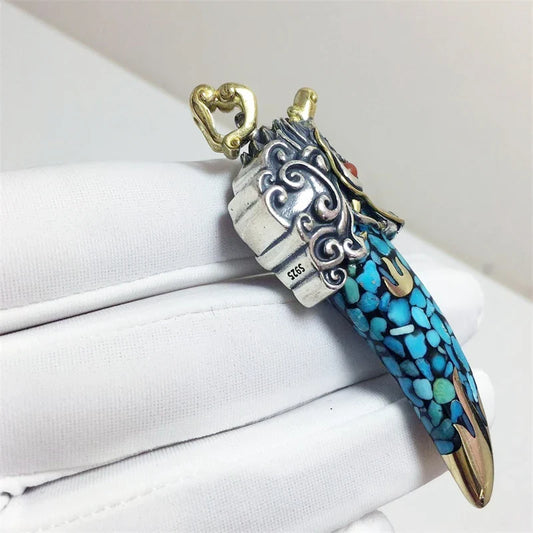
The product image shows the pendant as a small wearable artwork. For a buyer, that means the details should be judged differently from a wall painting or statue. Look for subject clarity, balanced color, a finish that feels suitable for regular handling, and a shape that can be worn without overwhelming daily clothing. The cover image, title, and product link should all point to the same pendant, because mismatched content is one of the fastest ways to lose trust.
Unlike broad educational pages, a product-led article should stay close to the actual item. The Zaki Lhamo Pendant is best discussed as Tibetan Buddhist jewelry with a specific subject, not as a generic Buddhist object. That product focus helps Google understand the page and helps shoppers decide whether to continue to the product page.
Buyer value points
- The subject creates a clear cultural and symbolic center.
- The pendant format makes the piece practical for daily wear, careful storage, or gifting.
- The product image and CTA support the same purchase path.
- The article explains meaning without exaggerated claims.
Search questions this article should answer
A strong article should answer the questions that shoppers ask before buying: What is a Zaki Lhamo Pendant? What does the subject represent in Tibetan Buddhist-inspired jewelry? Is it appropriate to wear? How should it be stored? What should the buyer check before purchase? When those questions are answered clearly, the content becomes more useful for search engines, AI summaries, and real customers.
Why this is stronger than a keyword article
A low-quality article would repeat the product name, add vague sentences about peace, and push the reader to buy. This article does more. It explains the subject, the format, the buyer use case, the care expectation, and the limits of responsible claims. That is the difference between thin content and product-led SEO that can actually help a shopper.
The commercial value of the Zaki Lhamo Pendant is tied to trust. A buyer has to feel that the store understands the cultural subject and has not simply attached spiritual language to jewelry. Specific language, careful boundaries, and consistent product matching build that trust.
How to judge quality from the listing
A careful buyer should compare the pendant as both jewelry and symbolic art. The image should show the subject clearly, the title should match the product page, and the article should explain why the piece matters without using the same promise-heavy language found on weak spiritual product pages. The best product-led content makes the shopper more informed before clicking, not more pressured.
This also helps generative search. When an AI answer summarizes the article, it should be able to identify the item as the Zaki Lhamo Pendant, connect it with Tibetan Buddhist-inspired jewelry, and understand that the buyer may use it for daily wear, gifting, collecting, or respectful storage. Those signals are stronger than keyword repetition because they describe a real product decision.
Best fit
This pendant is best for someone who wants a meaningful Buddhist-inspired piece that can be worn, stored, collected, or gifted with context. It suits buyers who value specific iconography and prefer jewelry that carries a story. It is less suitable for someone who only wants a trend accessory with no interest in the subject.
Choose it if the image, symbolism, and wearable format all feel aligned. The strongest reason to buy is the combination of subject clarity, practical use, and cultural meaning.
Another important trust signal is consistency. The cover image should show the same pendant that the CTA opens, and the article should not drift into unrelated ritual objects or generic Buddhist claims. When the image, subject, product URL, and buying advice all agree, the page feels edited and useful rather than assembled from a template.
This extra clarity also reduces bounce risk because the reader knows exactly why the pendant is being recommended.
Tags:
Previous
How to Wear and Store a Hand-Carved Silver Yellow Jambhala Pendant Respectfully
Next
How to Choose a Zaki Lhamo Pendant: Symbol, Material, and Fit