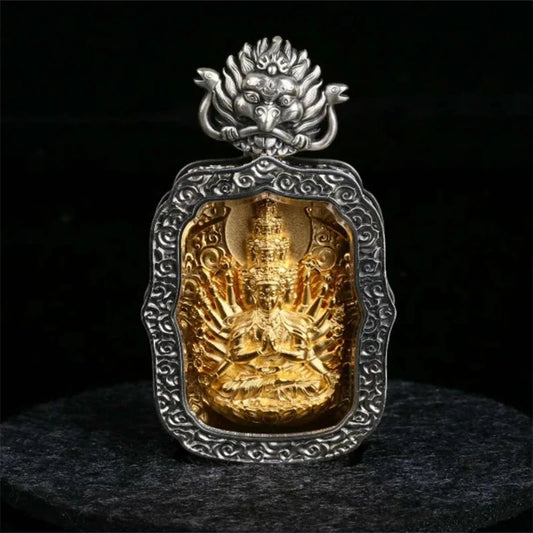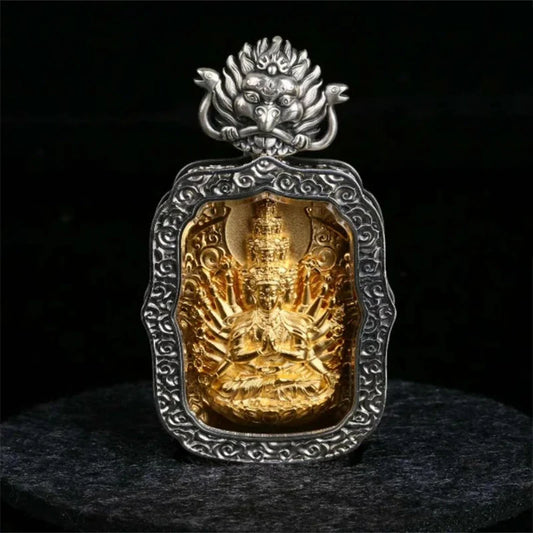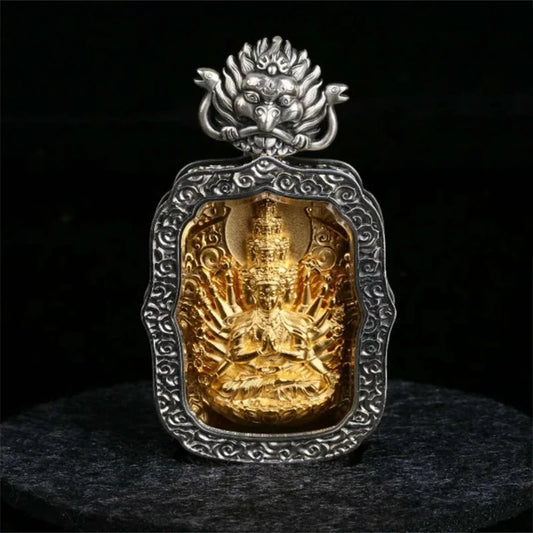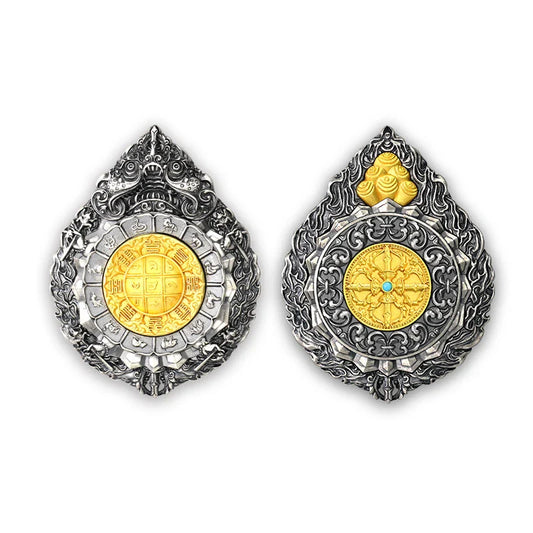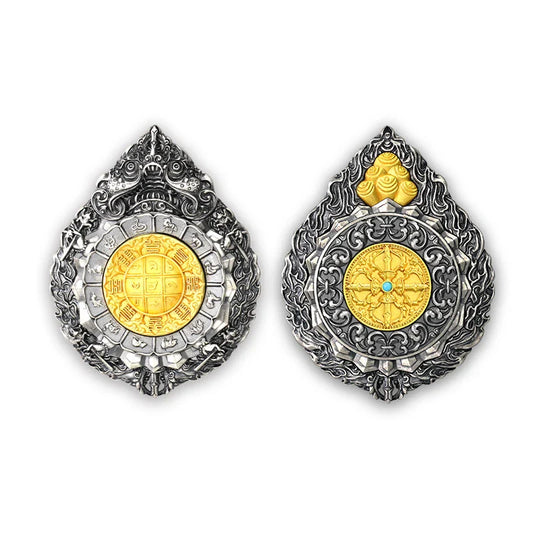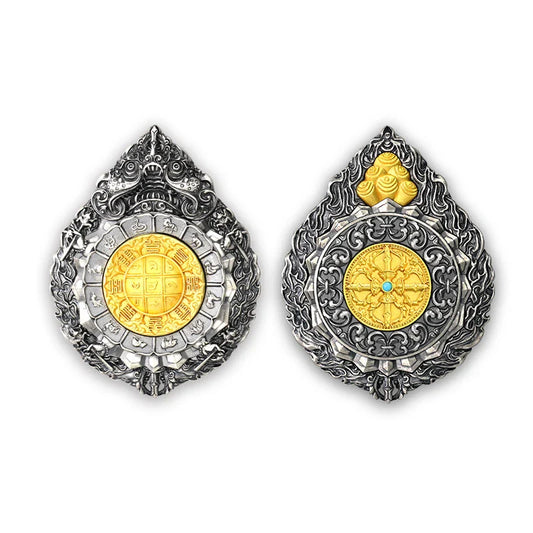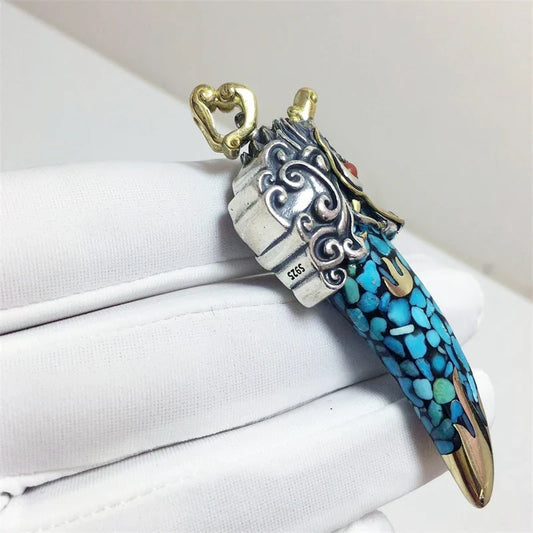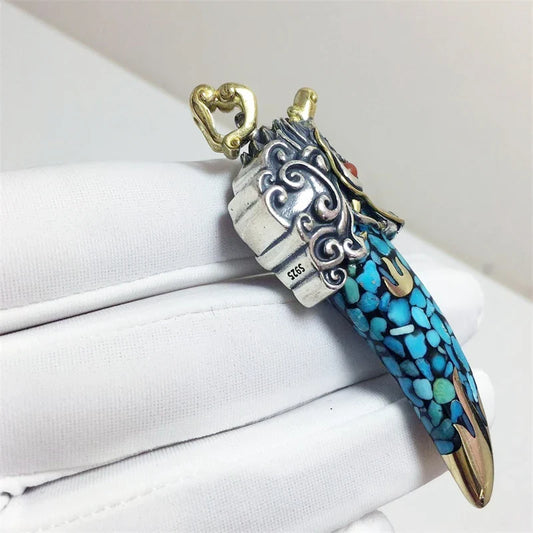

Where to Place a S925 Vajra Ring ritual object for a Respectful Mindful Space
Placement searches such as "where to place Buddhist art," "thangka in meditation room," or "S925 Vajra Ring home altar ideas" are different from product searches. They ask for context, respect, and real-world display guidance before the buyer commits. -s925-vajra-ring-jewelry-art deserves that kind of practical answer because placement changes how the piece is experienced. The same object can feel powerful, crowded, casual, or deeply intentional depending on where it lives.
Start with intention
Before choosing a location, decide what role the object will play. Is it for meditation, a home altar, a study, a collection, a gift, or wearable remembrance? S925 Vajra Ring carries associations with vajra protection symbolism, S925 silver construction, and the compact strength of a handmade ring, so the placement should support that mood. A quiet visual setting is usually better than a busy area filled with unrelated objects.
This is also useful for Google and AI search because placement content answers real follow-up questions. A product page says what the item is. A strong article explains how the buyer can live with it respectfully after purchase.
Best placement options
- Meditation room: place the piece where it can be seen without strain from a seated position.
- Home altar or shrine: keep the surface clean, uncluttered, and intentionally arranged.
- Study or reading room: use the piece as a calm visual anchor near books, natural materials, or soft light.
- Collection display: group it with related Himalayan or Buddhist art so the context remains clear.
- Gift presentation: include a short note explaining S925 Vajra Ring and the traditional meaning in plain language.
Use product facts to decide the exact location
The format should guide the location. Wall art, statues, ritual objects, and pendants do not function the same way. Each needs a display choice that makes the subject visible and protects the object from damage.
The materials, including hand-painted workmanship, also shape care. Keep the product away from prolonged harsh sunlight, moisture, smoke, and unstable surfaces. These practical choices protect the item and show respect for the work that went into it.
What to avoid
Avoid placing sacred imagery on the floor, in cluttered corners, near trash areas, or where it can be stepped over or knocked down. Avoid using the product as a purely exotic accent. If the item is part of a spiritual practice, follow your teacher, lineage, or personal tradition. If it is collected as cultural art, give it enough context so visitors understand it is more than ordinary decoration.
Also avoid hiding the item behind too many competing design choices. Strong incense smoke, direct heat, bright sun, heavy clutter, or unstable shelves can reduce both the physical life of the product and the feeling of respect around it. Good placement is quiet. It lets the buyer see the subject, remember why it was chosen, and connect the object back to its cultural story.
How this product changes a room
-s925-vajra-ring-jewelry-art can create a focal point without needing loud styling. Its subject, S925 Vajra Ring, provides the identity; its format as a ritual object gives it practical use; and its visual details give the room a slower pace. A mindful room is not built by adding more objects. It is built by choosing the right object and giving it room to speak.
The wording here follows a responsible cultural approach: traditional associations are explained as meaning, devotion, and symbolism, not as guaranteed promises of wealth, health, protection, or a fixed personal result. That boundary is not a weakness. It makes the content more credible, especially for readers who are learning about Tibetan Buddhist culture for the first time.
For searchers, this practical guidance is often the missing bridge between curiosity and purchase. They may already like the image, but they still need to know where it belongs, how to care for it, and whether the product fits their room or personal practice. Answering those questions keeps the article useful even before the CTA appears.
Care and daily use checklist
- Keep the area clean and visually calm.
- Protect the object from humidity and prolonged direct sunlight.
- Dust gently with a soft, dry cloth when appropriate.
- Move the item carefully and support the full object rather than pulling from one edge.
- Keep the product page or notes so the subject and details can be remembered later.
If the piece is moved between rooms, reassess the setting instead of assuming the first placement will always work. Lighting changes, furniture changes, and daily habits can all affect how the object is treated. A good location should be visible, stable, clean, and connected to the reason the buyer chose S925 Vajra Ring in the first place.
For smaller wearable pieces, placement can also mean storage. Keep the pendant or bracelet in a clean pouch, jewelry box, or dedicated drawer when it is not being worn. That simple habit protects the surface and keeps the object from becoming mixed with ordinary clutter.
Final recommendation
Choose a placement that matches the object's role. If it is devotional, give it a dedicated and respectful setting. If it is collectible, document the subject and materials. If it is a gift, explain the meaning. If it is decor, keep the surrounding design quiet enough that the Buddhist subject remains central.
For buyers who want a meaningful, specific, and practical piece, -s925-vajra-ring-jewelry-art offers more than visual appeal. It gives the room a subject, a story, and a daily point of attention. That is why it deserves an article built around real placement guidance rather than repeated product copy.
Choose this piece for your space
Tags:
Previous
How to Choose a S925 Vajra Ring ritual object: Materials, Meaning, and Buyer Fit
Next
S925 Vajra Ring Meaning in a Tibetan ritual object: A Deep Product Guide