How to Wear and Store a Silver Five-Pronged Vajra Pendant Respectfully
After a buyer understands the meaning of a vajra pendant, the next question is practical: how should it be worn, stored, and cared for? The Silver Five-Pronged Vajra Pendant is a small object, but it carries a strong symbolic identity. Treating it thoughtfully helps preserve both the physical item and the meaning that made the buyer interested in the first place.
Searches like "how to wear Buddhist jewelry," "can I wear a vajra pendant," and "how to store a Buddhist pendant" show that many shoppers want guidance before they buy. They do not only need a product description. They need reassurance that the object can fit respectfully into daily life.
Wear it with intention
The five-pronged vajra is associated with clarity, firmness, and indestructible wisdom in Tibetan Buddhist visual culture. Wearing the pendant can be a personal reminder of those qualities. The key is intention. Treat it as a meaningful object rather than a random trend accessory. It can be worn with simple clothing, paired with other quiet pieces, or kept close to the body as a daily point of attention.
Responsible guidance avoids exaggerated promises. The pendant should not be described as a guaranteed source of protection, luck, wealth, or healing. Its value is symbolic, cultural, and personal. That restraint makes the article more trustworthy for readers and more suitable for Google and AI-generated search results.
Storage when not worn
- Keep the pendant in a clean pouch, jewelry box, or dedicated drawer.
- Avoid leaving it loose with coins, keys, or hard objects that may scratch the surface.
- Keep it away from moisture, strong chemicals, and prolonged direct sunlight.
- If it is given as a gift, include a small note explaining the five-pronged vajra meaning.
Storage is part of respect. A meaningful pendant can lose its sense of care if it is treated like clutter. A simple dedicated place is enough. The goal is not to create a dramatic display, but to keep the object clean, stable, and connected to its purpose.
Daily care
Use a soft, dry cloth when cleaning is needed. Avoid harsh polishing unless the product care instructions specifically allow it. If the pendant is worn often, check the attachment point and chain regularly. Small wearable items experience more contact than wall art or statues, so practical care matters.
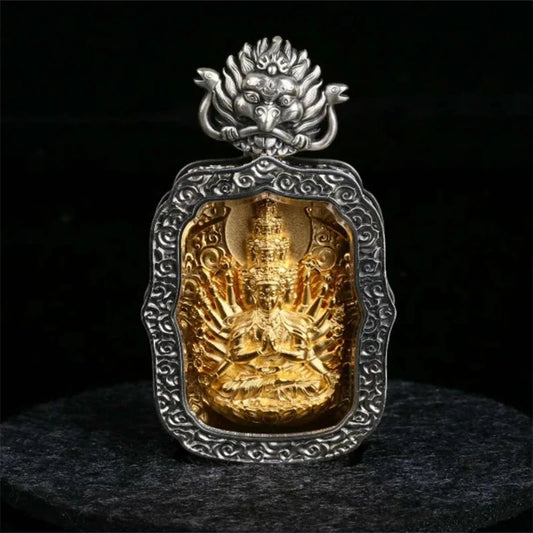
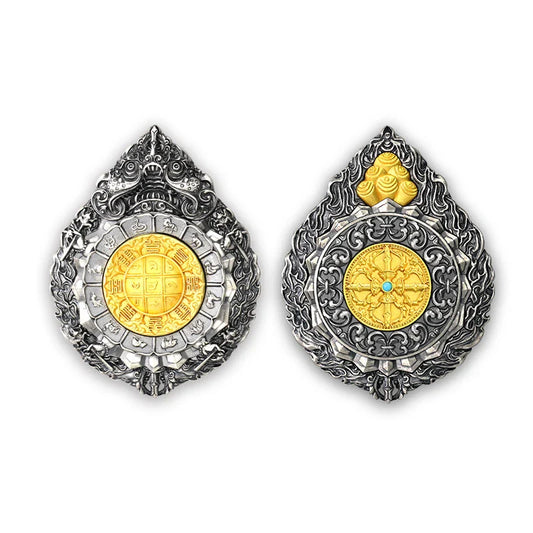
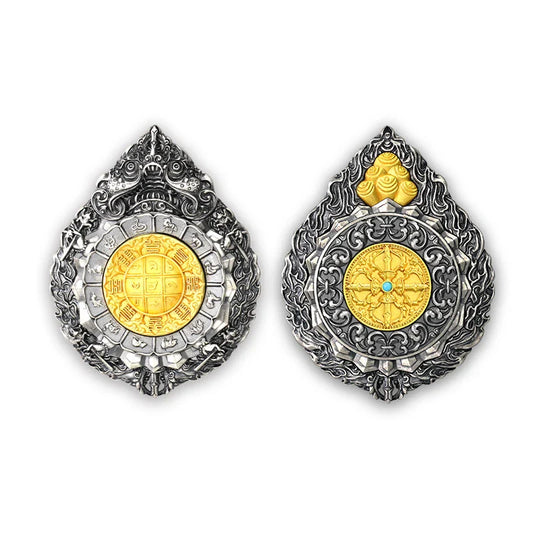
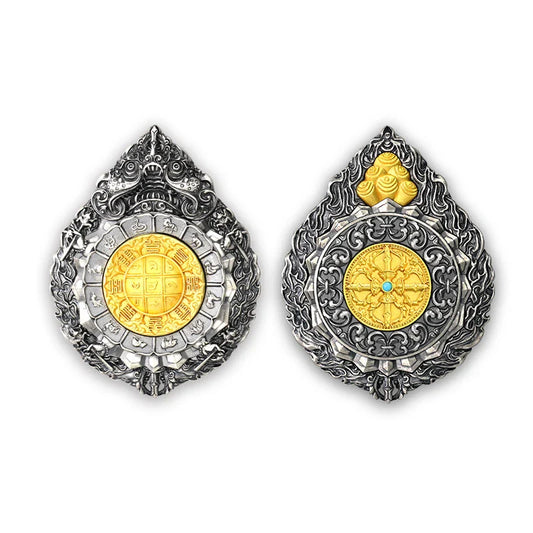
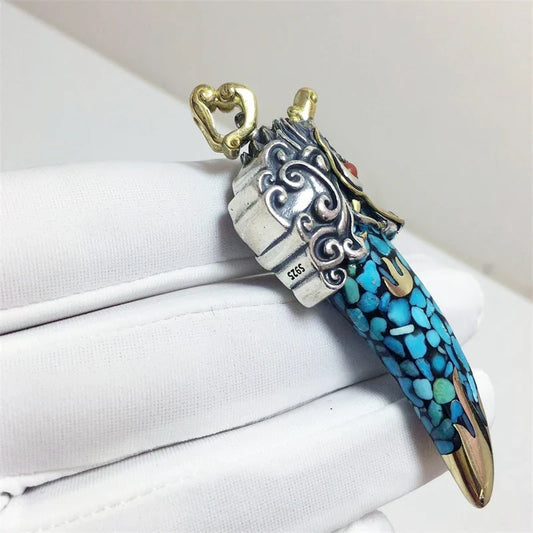
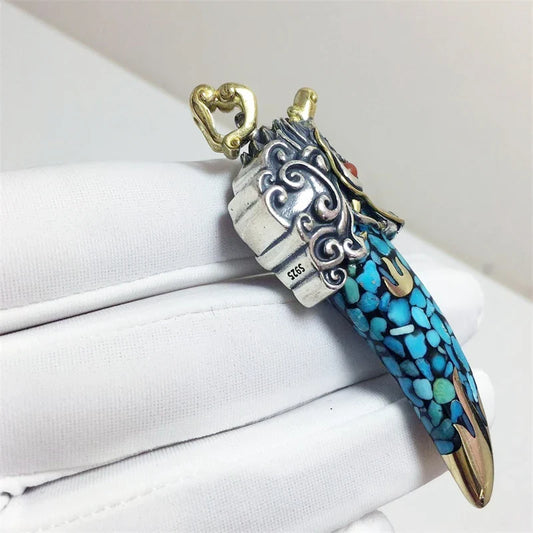
The product image should be saved or revisited when needed so the buyer remembers the original look of the pendant. This is useful for collectors, gift buyers, and anyone who wants to keep notes about the item over time.
When the pendant is part of practice
If the pendant is connected to a personal Buddhist practice, follow the guidance of your teacher, lineage, or community. If it is collected as cultural art or worn as a meaningful reminder, give it enough context so the symbol is not reduced to decoration. Both approaches benefit from careful language and thoughtful handling.
The Silver Five-Pronged Vajra Pendant can also work well as a gift because the symbol is visually clear. A short explanation makes the gift stronger: it shows that the buyer chose the object for its meaning, not only its appearance.
Why this guidance matters for search
High-quality SEO content should answer the questions people ask after they see a product. For this pendant, those questions include meaning, appropriateness, daily wear, storage, care, and buying confidence. A page that answers those questions has more depth than a short sales blurb and is more likely to be useful in generative search summaries.
The article also keeps the product, image, CTA, and subject aligned. That alignment matters because low-quality content often mixes unrelated products or repeats a generic template. Here, every section returns to the same object: the Silver Five-Pronged Vajra Pendant.
Respectful use in ordinary life
Respectful use does not require making daily life complicated. It means the pendant should not be thrown into clutter, treated carelessly, or used as a vague exotic symbol without understanding. A clean place for storage, gentle handling, and a basic understanding of the five-pronged vajra are enough for most buyers. If the pendant becomes part of a daily routine, the wearer can pause when putting it on and remember the qualities traditionally associated with the vajra: clarity, steadiness, and disciplined attention.
This practical guidance matters because many shoppers are unsure whether Buddhist jewelry can be worn respectfully. A useful article should answer that concern directly. The answer is to wear it with context, avoid exaggerated claims, and care for the object in a way that matches its meaning.
Buyer confidence checklist
Before purchasing, confirm that the image, title, and product page all describe the same pendant. Check whether the symbol is clear enough to recognize, whether the finish suits your daily style, and whether you already have a clean place to keep it when it is not worn. These small checks turn interest into a more confident buying decision.
Final recommendation
Wear the pendant when it feels intentional, store it carefully when it is not worn, and treat the five-pronged vajra as a meaningful Buddhist symbol. The product is best for buyers who want a compact piece of Tibetan Buddhist jewelry with practical daily use and a clear cultural story.
If you want a pendant that combines symbolic clarity with everyday wearability, this is a thoughtful option to consider. Its strongest value is the way it keeps a recognizable Buddhist form close to daily life without needing loud styling or inflated claims.
Tags:
Previous
How to Choose a Silver Five-Pronged Vajra Pendant: Symbol, Material, and Fit
Next
Silver Zodiac Guardian Pendant Meaning: Symbolism, Craft, and Buyer Value